
DOJ approves Paramounts $111B Warner Bros Discovery deal, clearing the path for David Ellison
The Department of Justice signs off on Paramount’s $111B acquisition, removing the biggest regulatory blocker and shifting focus to deal execution.

The Department of Justice approved Paramount’s $111 billion purchase of Warner Bros Discovery. For CEO David Ellison, this locks in the anticipated sign-off connected to a pro-deal Trump administration and forces markets and boards to pivot from regulatory risk to integration reality.
The Department of Justice has approved Paramount’s $111 billion purchase of Warner Bros Discovery, and it effectively clears the biggest remaining hurdle on a deal that has been waiting for a green light. Multiple sources, confirmed to Deadline, say the approval arrives as an anticipated sign-off by a Para-friendly Trump administration, making it a very early birthday present for CEO David Ellison.
For decision-makers, the immediate implication is simple: the transaction can move forward without the kind of DOJ roadblocks that can stall, reshape, or even kill mega-mergers. Deadline reports there appear to be no significant concessions by Paramount to the DOJ to get the deal approved. In other words, this is not the story of a company “trading” something away at the last minute. It is the story of regulatory approval showing up on schedule, with the regulatory box checked and the calendar now taking center stage.
To understand why this matters, zoom out to how these deals usually live or die. DOJ review is the gatekeeper for competition concerns, and in media, the competition questions typically swirl around distribution, advertising, pricing power, and leverage over content. When the DOJ signals approval without notable concessions, it narrows the range of what boards and investors need to worry about next. The risk profile shifts from “Will regulators stop this?” to “Can the combined company execute the strategy well enough to justify $111 billion?” That is a very different problem, and boards tend to care more about the execution problem once the permit is granted.
The political backdrop is also a key part of the story. Deadline frames the approval as an anticipated sign-off by the Para-friendly Trump administration. Whether you think that framing is about ideology, priorities, or institutional pace, the practical effect for executives is the same: the regulatory trajectory can be faster and less burdensome than skeptics might have expected. For media executives in particular, that changes the tempo of dealmaking. If one of the largest U.S. regulators is willing to clear a transaction of this scale without major concessions, it can embolden others that have been sitting in the “maybe later” category because they feared a tougher review.
And that leads to the second-order effect that often gets overlooked: once DOJ approval lands, the market starts pricing in completion and integration, not just the possibility of regulatory delay. That means attention shifts to the mechanics. Who runs what? How are assets combined? What happens to overlapping functions across content development, streaming operations, distribution relationships, and back-office systems? Even when regulatory risk is low, integration risk is high. Media mergers are notoriously complex because the products are both creative and commercial, and because relationships with distributors and advertisers do not magically rewire themselves overnight.
There is also a governance angle. Deals of this size tend to pull directors into nonstop oversight, with the board acting as both a pressure valve and a credibility backstop. With DOJ approval confirmed and concessions apparently not a major factor, boards now have less cover for delay. They will need to demonstrate that the company’s underlying thesis, including how it plans to compete post-merger, is still coherent and adequately funded. If integration stumbles or strategy wobbles, the backlash will be sharper because the regulatory hurdle is no longer the headline.
For peers evaluating their own strategic options, the message is not just “Paramount got approved.” It is that the window for large-scale consolidation may be more open than many assumed, at least under this administration and under these specific DOJ dynamics. Executives at rival media and adjacent platforms will likely watch the way this deal moves from approval to closing, because that will indicate how quickly other transactions might clear. In a world where content, distribution, and subscriber growth are constantly in flux, speed is leverage. When regulators clear the path, it becomes a race against competitors, not a race against the filing deadline.
The final stake is therefore strategic. The DOJ approval does not finish the job, but it changes what “failure” looks like. If something goes wrong now, it will not be blamed on regulatory obstruction. It will be blamed on integration, capital structure, and execution. And that is the moment when CEO David Ellison, and the broader Paramount leadership team, will be judged most directly on whether a $111 billion bet can turn into sustainable competitive advantage, not just a successfully navigated process.
This story's Key Insights and Take-aways are locked.
Create a free account to unlock Executive Actions for one credit.
Register to UnlockAlways free for Executives Club members. Join the Club
More in Business
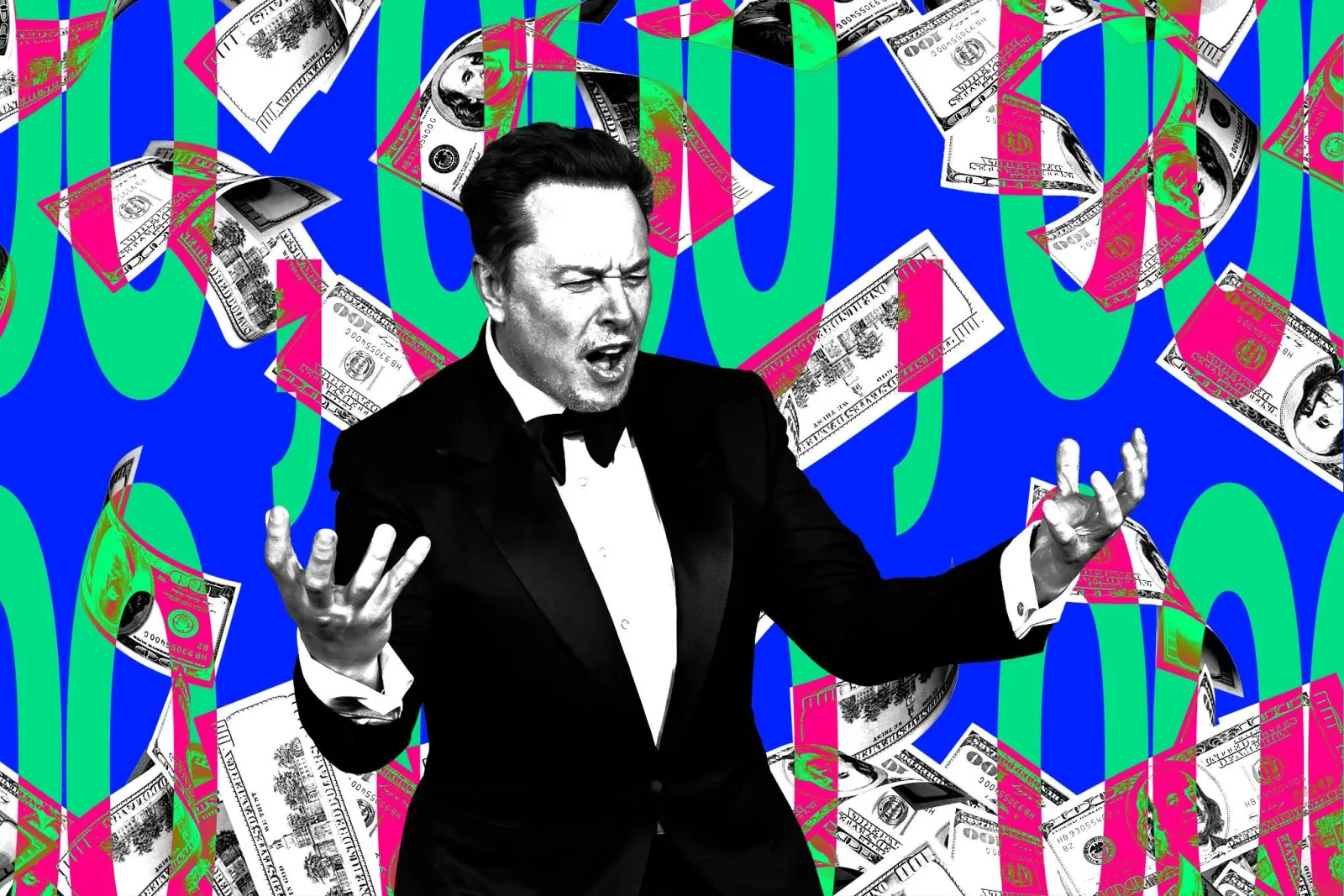
Elon Musk became the world’s first trillionaire after SpaceX IPO lifted him past $1T
SpaceX shares jumped, and Musk’s $800B pre-IPO value crossed a trillion, reshaping how investors price “moonshots.”
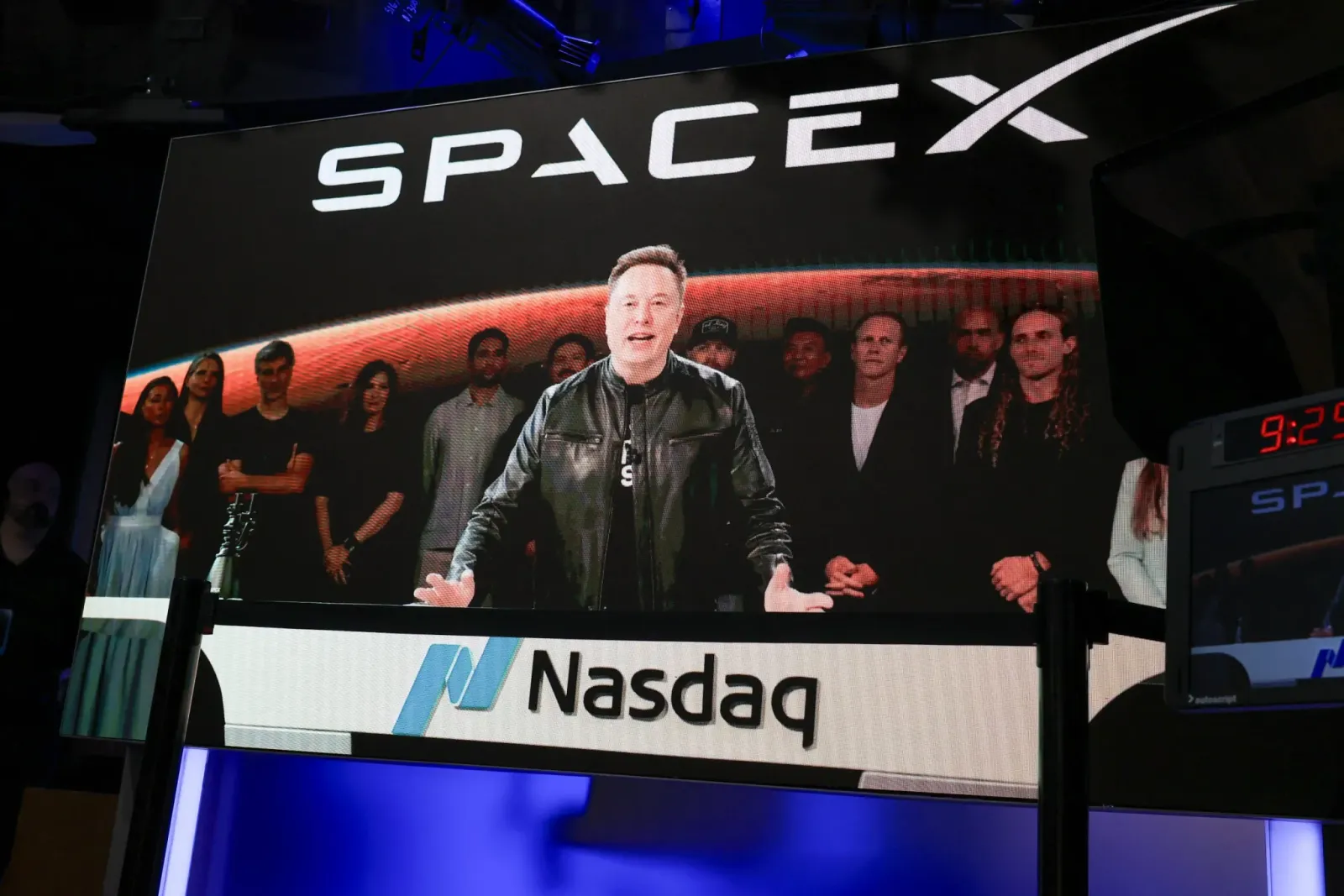
SpaceX stock closes at $161.11 after $2.1T debut valuation shatters expectations
The IPO priced at $135, surged on Nasdaq and Texas, and immediately rewired how executives think about mega-debuts.
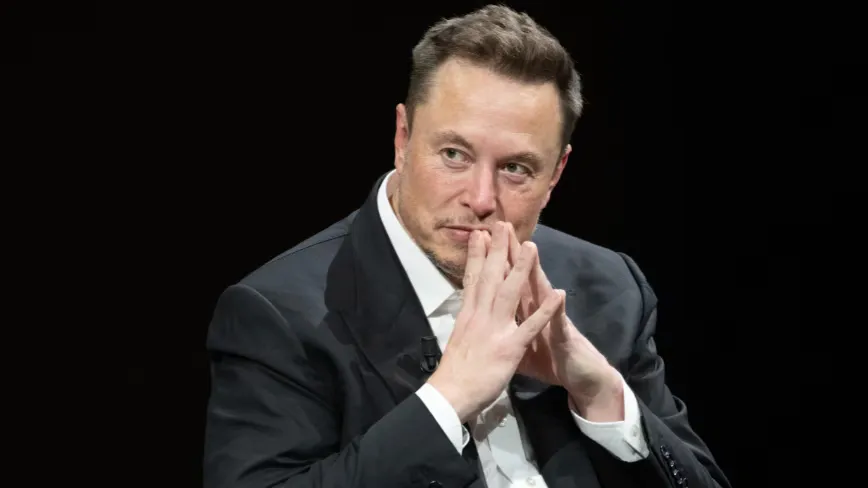
SpaceX IPO priced June 12 at $135: Elon Musk crosses $1T as funds pick up the tab
The SpaceX IPO values the company around $1.77T and estimates Musk’s stake at $866.5B, with broad investor ripple effects.