
DOJ clears Paramount-Warner Bros. Discovery’s $110B merger without divestitures
Hart-Scott-Rodino expired in February, but U.K., FCC, state AGs, and ticking fees still shape the clock.

The U.S. Department of Justice’s Antitrust Division cleared Paramount and Warner Bros. Discovery’s $110 billion merger. The approval keeps the deal on track for a third-quarter close, while other regulators and state investigations remain active.
The U.S. Department of Justice’s Antitrust Division has cleared Paramount and Warner Bros. Discovery’s $110 billion merger, and the surprising part is what did not happen. According to Politico, the DOJ greenlit the deal without requiring divestitures, behavioral remedies, or concessions. That is a meaningful outcome in a space where antitrust approvals often come bundled with conditions.
The timing matters too. The DOJ’s approval comes after the agency’s Hart-Scott-Rodino review period expired in February, and after the deal secured shareholder approval in April. In plain terms: the clock already ran out on the main federal pre-approval process, and investors already signed off. So for decision-makers watching whether this combination could stall, the headline answer is clear: the federal antitrust hurdle is now cleared.
But clearing the DOJ does not mean regulatory life is suddenly easy. TheWrap reports that regulatory hurdles remain on the international and state fronts. In the U.K., regulators are gearing up to begin their review, with its deadline for public comments closing in April. For boards and deal teams, this is the classic post-federal approval phase: you survive one regulator and then immediately focus on the next jurisdiction that can still put up friction.
There is also the FCC angle. Paramount has asked the FCC to approve its foreign investment in the deal. The source says the foreign investors are set to account for 49.5% of the equity of the combined company. That figure is the kind of detail that can change boardroom questions quickly, because it affects ownership structure and the regulatory posture that comes with it. Even with DOJ approval in hand, a foreign investment review can still add process time, paperwork, and conditions depending on the FCC’s findings.
Meanwhile, state attorneys general are not waiting on the sidelines. A group of U.S. state AGs led by California’s Rob Bonta is reviewing the deal and weighing whether to take legal action. Bonta previously told TheWrap that “red flags are everywhere when you have a merger of this type” and that the states are prepared to “act timely,” but declined to provide a specific timeline for when a decision could be made. That matters because it signals ongoing scrutiny at the state level, even after the federal agency cleared the transaction.
In a recent regulatory filing, Paramount disclosed it has received subpoenas, or civil investigative demands, from various state AGs. Those demands focus on the investigation by the Department of Justice and the competitive effects of the merger. The company does not disclose which or how many state AGs sent subpoenas. Paramount also said, “We have been cooperating with the state attorneys general in responding to their requests,” at the time of the disclosure. Translation: the federal sign-off did not shut down the state inquiry; it may simply have shifted what each regulator is looking to prove.
All of this is happening while the deal’s financial mechanics keep ticking. The source says the deal is on track to close by the end of the third quarter. There is also an explicit downside schedule if the transaction slips: in the event the transaction does not close by Sept. 30, WBD shareholders will receive a 25 cent per share “ticking fee” for each quarter until closing. And if the deal does not close at all due to regulatory matters, Paramount will pay WBD a $7 billion termination fee. Those terms turn regulatory uncertainty into something more concrete for capital holders. Even if the DOJ has cleared the deal, the contract embeds costs for delays and a large price tag for cancellation.
So what does this mean for peers in the same seats: media M&A teams, investors, and executive leaders in adjacent categories? First, DOJ clearance is a major milestone, but it is not the only gate. A third-quarter target can remain credible while the U.K. review begins, the FCC considers foreign investment, and state AG investigations continue to ask their questions. Second, the ticking fee and termination fee structure shows how boards and deal negotiators anticipate regulators being slow or unpredictable. Finally, approvals without behavioral remedies and concessions can still coexist with later challenges, because antitrust scrutiny does not operate as a single switch across borders and jurisdictions. For executives, the strategic stake is simple: you can clear one hurdle and still need a plan for the rest of the course, because the deal calendar is now tightly linked to multiple regulators and ongoing investigative signals.
This story's Key Insights and Take-aways are locked.
Create a free account to unlock Executive Actions for one credit.
Register to UnlockAlways free for Executives Club members. Join the Club
More in Business
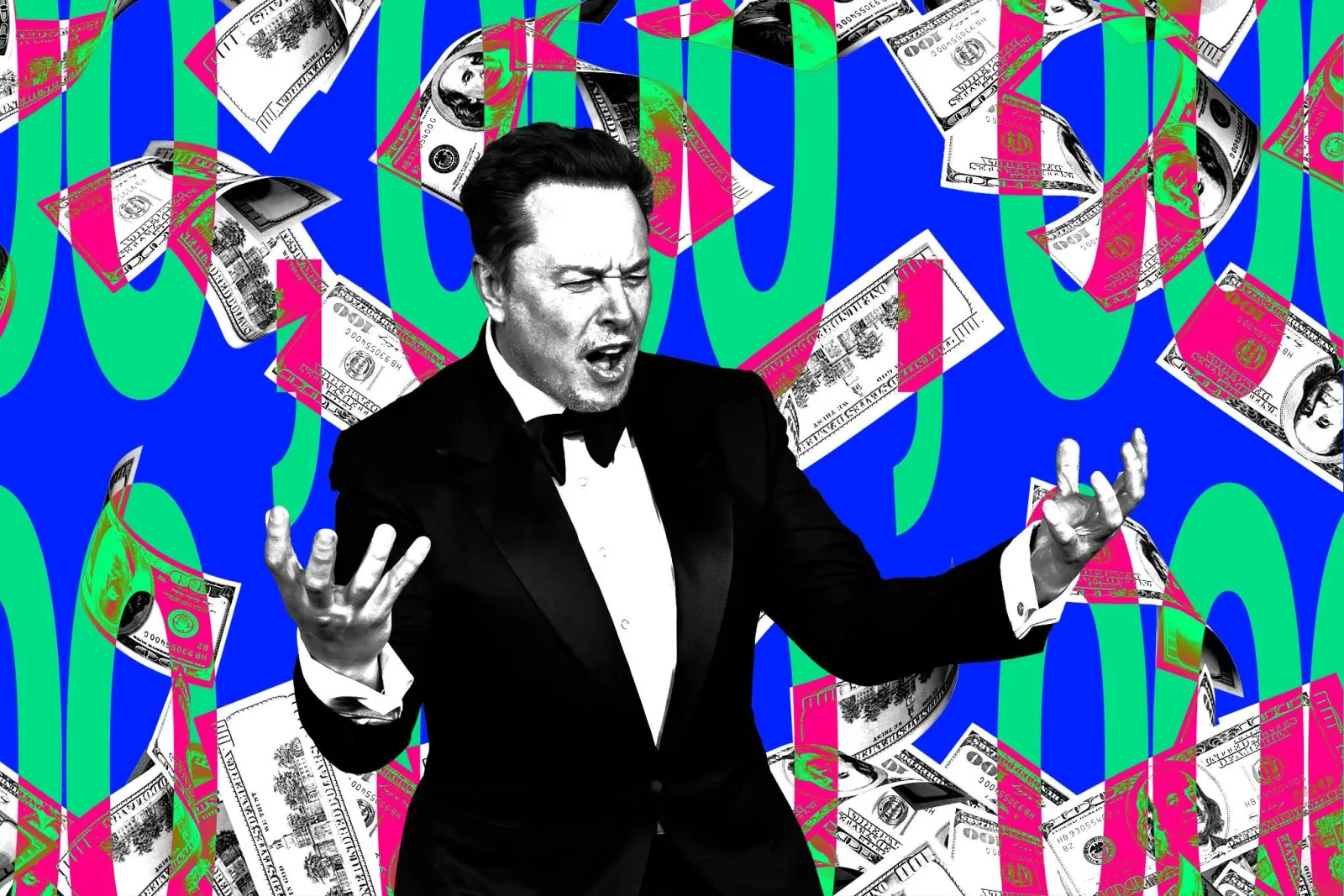
Elon Musk became the world’s first trillionaire after SpaceX IPO lifted him past $1T
SpaceX shares jumped, and Musk’s $800B pre-IPO value crossed a trillion, reshaping how investors price “moonshots.”
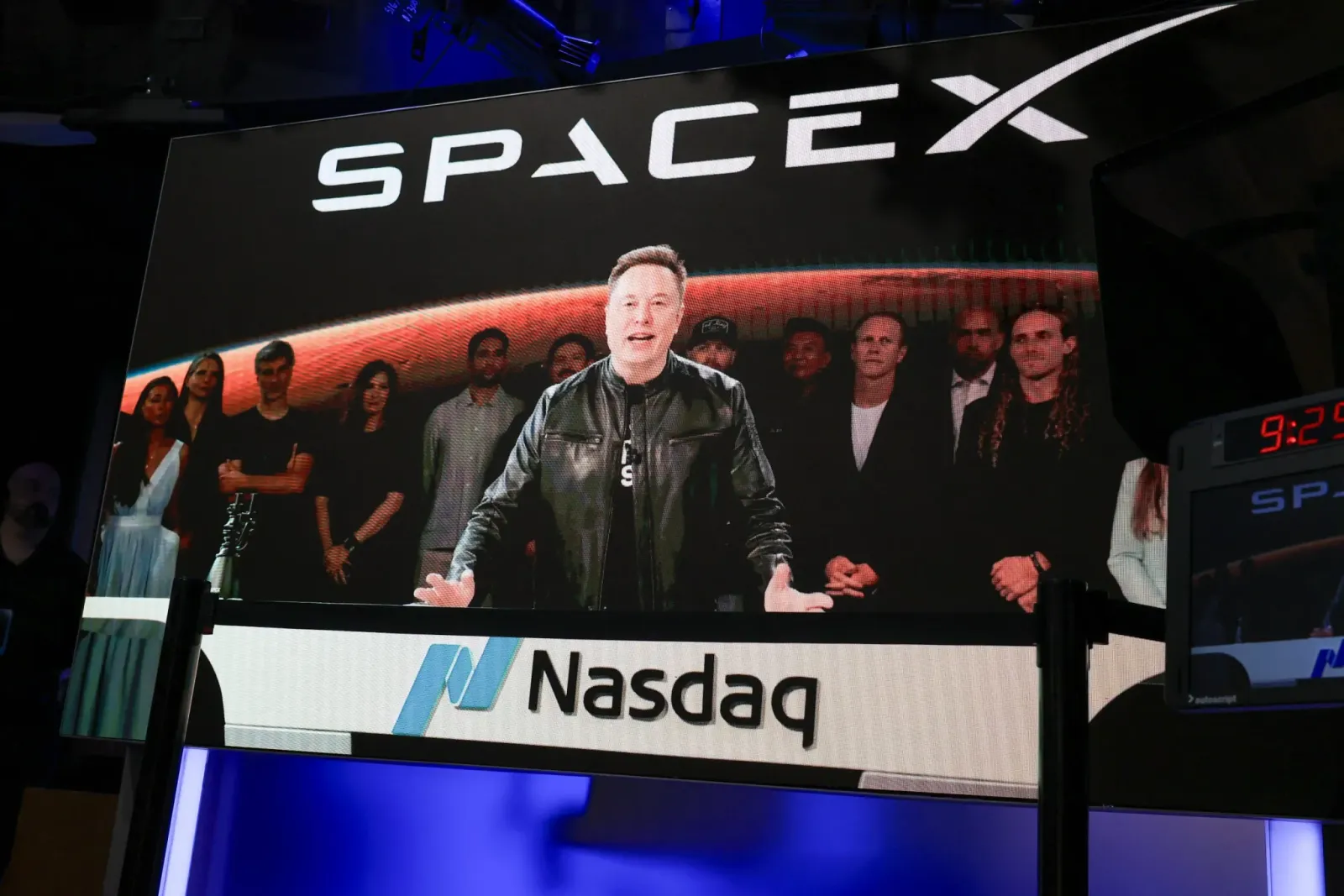
SpaceX stock closes at $161.11 after $2.1T debut valuation shatters expectations
The IPO priced at $135, surged on Nasdaq and Texas, and immediately rewired how executives think about mega-debuts.
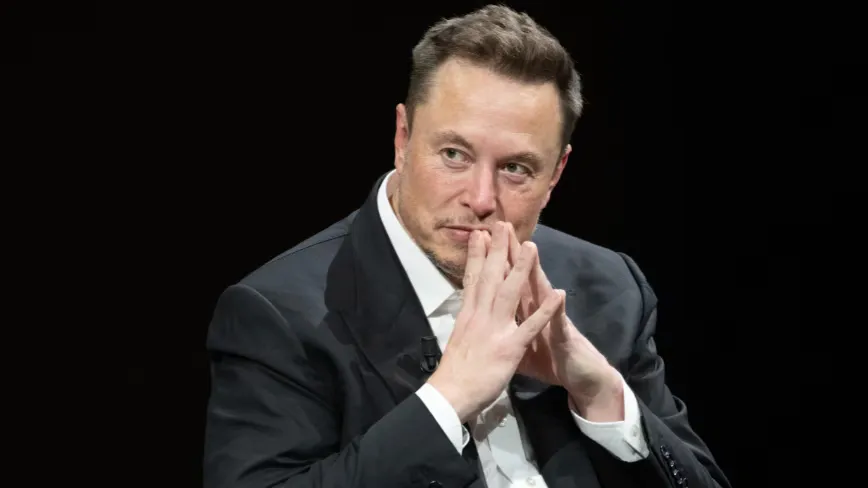
SpaceX IPO priced June 12 at $135: Elon Musk crosses $1T as funds pick up the tab
The SpaceX IPO values the company around $1.77T and estimates Musk’s stake at $866.5B, with broad investor ripple effects.