
Doris Fish’s 1991 drag sci-fi ‘Vegas in Space’ stays fierce, and that matters now
Why a late indie legend still sets the bar for queer filmmakers, audiences, and culture investors today.

Doris Fish's late 1991 sci-fi film, ‘Vegas in Space,’ is a landmark of queer indie cinema. For decision-makers, its staying power signals what audiences reward: unapologetic creative identity, not safe genre math.
Doris Fish’s late 1991 sci-fi drag film, ‘Vegas in Space,’ remains one of the fiercest queer-indie artifacts around, and it’s not just nostalgia. IndieWire frames the movie as a landmark of queer indie cinema for a reason, which matters because the “why” is the whole point: this is a film built on a specific queer voice, not a workaround for mainstream tastes. In other words, it didn’t merely exist in the culture. It helped define how queer indie storytelling could be bold, strange, and total.
Let’s be blunt about the stake. When people try to explain queer film history, they often talk about visibility, representation, and breakthroughs. Those are real themes, but they can turn into vague marketing slogans if you do not ground them in craft. ‘Vegas in Space’ is positioned here as fierce sci-fi drag, which tells you something practical about audience appetite. Viewers did not just want queer content in any form. They wanted a specific kind of electricity, the kind that comes from genre remixing and performance energy that refuses to dilute itself.
To understand why executives and board members should care, you have to look at incentives. Film and entertainment companies have to balance creative ambition with risk control. In mainstream systems, that often means trimming the edges that make a project unmistakably itself. But indie cinema historically runs on a different logic: audiences can be smaller, but they are sharper, and they can feel when a work is performative or opportunistic. IndieWire’s description of ‘Vegas in Space’ as a landmark for a reason is essentially a reminder that the best indie projects generate durable cultural equity. They become reference points, not just entries on a catalog.
There is also a second-order implication for strategy. When a film like this stays “legendary,” it changes how future projects are developed and financed. Creators use it as proof that genre is flexible and queer identity is not a side plot. Investors and distributors, when paying attention, can shift from asking, “Will this be accepted?” to asking, “Will this become canonical in the community that actually shows up?” That question is harder, but it is more accurate. Canon is what drives long-tail demand, press reappearance, and ongoing relevance beyond the initial release window.
Regulatory and policy contexts are part of the backdrop for queer media, even when this specific write-up does not name any laws. Historically, queer creators have operated under uneven pressures: censorship regimes in different eras, unequal rating scrutiny, and platform-level decisions about what is “advertisable.” Those pressures tend to push works toward safer packaging. A film built to be “fiercest” in its own lane is therefore an implicit case study in creative autonomy: it demonstrates what happens when artists prioritize expression over editability. For executives, that leads to a board-level risk conversation that is not only about scandal or backlash. It is also about brand integrity and audience trust, which can matter more than short-term approval metrics.
And then there is the capital allocation reality. It is easy to fund what seems measurable: recognizable formats, proven franchises, and content that looks familiar in a pitch deck. ‘Vegas in Space’ stands out because it is not playing the usual familiarity game. It is a sci-fi drag film from 1991 that is still being cited as legendary. The strategic takeaway for decision-makers is that durability is not random. Works can outlive their era when they offer a voice so distinct it becomes a blueprint for others.
So what does this mean for peers in your world, the people making slate decisions, greenlights, and partnerships? It means the “landmark” label has a job to do. It is not a vibe. It is a market signal. If queer indie cinema produces films that become touchstones, then the business is not just about one-off successes. It is about supporting creative ecosystems where identity, genre, and performance can combine without being sanded down. ‘Vegas in Space’ is being held up as proof that fierceness can be the foundation for longevity. That is a lesson worth treating like data, not just art history.
This story's Key Insights and Take-aways are locked.
Create a free account to unlock Executive Actions for one credit.
Register to UnlockAlways free for Executives Club members. Join the Club
More in Entertainment

USMNT seal late fourth vs Paraguay, 4-1 on June 12, 2026
A late sequence from Freeman and Reyna turns the clock, locks in the 4-1, and reinforces the US run.
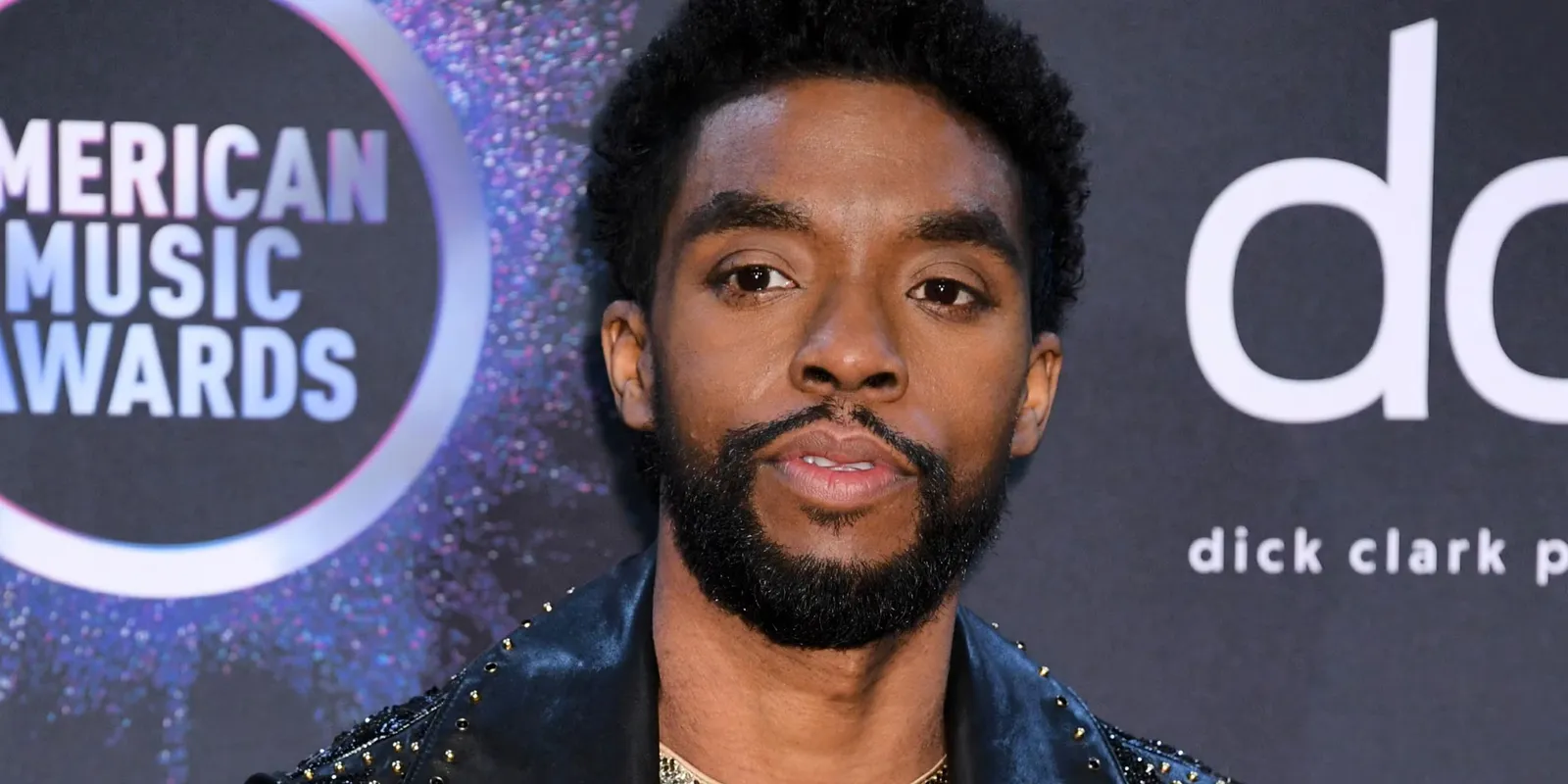
Thurgood Marshall biopic starring Chadwick Boseman streams free on Fawesome, 9 years later
A nine-year gap since release has a new upside for anyone tracking culture, distribution, and what gets value from attention.
EWC’s Faisal bin Homran says Riyadh stays home as Paris hosts the third event
Esports World Cup Foundation’s CPO argues the Paris test strengthens Saudi’s legacy, not dilutes it.