
Elon Musk gave SpaceX under 10% odds. It still turned into a $2T force
The founder's gamble is now the benchmark case for how to scale rockets, navigate regulators, and attract capital.
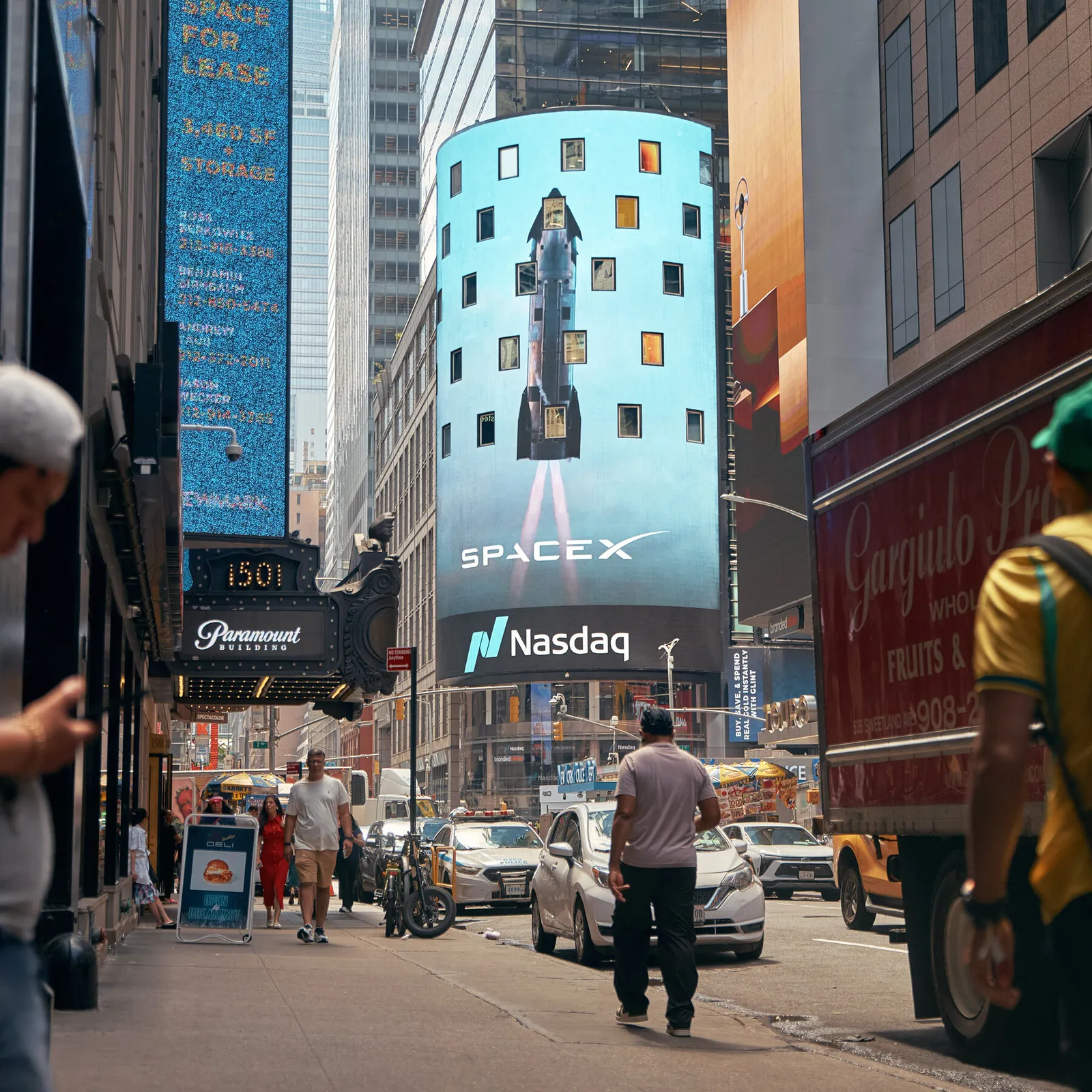
Elon Musk said he initially gave SpaceX less than a 10 percent chance of succeeding. SpaceX has since grown into what the headline frames as a $2 trillion juggernaut, changing how investors and decision-makers view space risk.
Elon Musk has said he initially gave SpaceX less than a 10 percent chance of succeeding. That single admission is a gut-punch for anyone who assumes “eventually it works out” is the default outcome in deep-tech. SpaceX’s improbable climb is the whole point: a far-out idea that did not start with certainty, did not launch with guarantees, and still ended up becoming an outsized economic force.
Musk’s forecast matters because it reframes the origin story of a company that, in today’s framing, is worth about $2 trillion. When a founder openly assigns sub-10% odds early on, it signals something more operational than motivational. It suggests the early phase was dominated by uncertainty, not optimism. The business challenge was not writing the vision. It was engineering the path from risk to proof, one hard milestone at a time, in an industry where the penalty for getting things wrong is not a bad quarter. It is a destroyed vehicle, a delayed timeline, and a funding squeeze.
To understand why this is such a big deal for executives, you have to zoom out to how space has historically worked. Rocket companies sit at the intersection of extreme engineering and strict oversight. Regulators and governments set expectations around launch safety, environmental effects, and licensing, which means the calendar is not fully in a company’s control. Every major attempt can trigger new requirements, new data needs, and new scrutiny. For capital allocators, that turns “technical execution” into “execution plus compliance plus supply chain reality.” It is a rare environment where building the product and proving it to authorities are inseparable.
That is why Musk’s “less than 10 percent” line is more than a colorful quote. It describes the kind of incentive environment where boards and investors are constantly balancing asymmetric outcomes. If success happens, the rewards can be enormous because the market is new and the capability is foundational. If failure happens, the drawdown can be brutal. In a setup like that, decision-makers typically demand staged progress, burn-rate discipline, and clear evidence that each iteration reduces the probability of total loss.
SpaceX’s journey, as the source puts it, tracks that transformation from far-out idea to a $2 trillion juggernaut. The strategic lesson for executives is not “bet the farm on rockets.” It is that the path to scale in regulated, high-bar industries is often incremental proof, not visionary theater. Early credibility comes from showing you can do what you said you could do, under real constraints. Over time, the company becomes a system. The system then creates leverage: better reliability, more repeatable manufacturing, more predictable missions, and stronger bargaining power with partners and customers.
There is also a capital-market second-order effect to this story. When a company crosses the threshold from “speculative” to “benchmark,” it changes how other players are evaluated. New entrants do not just compete on performance. They compete on perceived survivability. Investors start asking different questions. Regulators start seeing familiar playbooks. Customers start expecting a certain standard. In that sense, SpaceX’s arc functions like a case study for how an industry matures: the winners do not only build hardware; they build trust infrastructure.
For peers in venture, corporate innovation, and long-cycle industries, Musk’s early odds also highlight board-level humility. If the founder believed success was less likely than failure, then leadership had to treat milestones as probability updates, not celebrations. That mindset is particularly important when timelines slip or when early results are messy. Deep-tech companies that win usually convert uncertainty into measurable progress, which in turn converts cash burn into momentum.
SpaceX’s unlikely journey, framed here from sub-10% odds to a $2 trillion juggernaut, is a reminder that industry-defining scale can come from founders who start with low odds but high discipline. And it changes the yardstick for decision-makers everywhere: when the market starts to believe in a durable outcome, the remaining question is no longer “can you do it?” It becomes “can you keep doing it, profitably, under the watch of regulators, customers, and capital?”
This story's Key Insights and Take-aways are locked.
Create a free account to unlock Executive Actions for one credit.
Register to UnlockAlways free for Executives Club members. Join the Club
More in Business
Elon Musk became the world’s first trillionaire after SpaceX IPO lifted him past $1T
SpaceX shares jumped, and Musk’s $800B pre-IPO value crossed a trillion, reshaping how investors price “moonshots.”
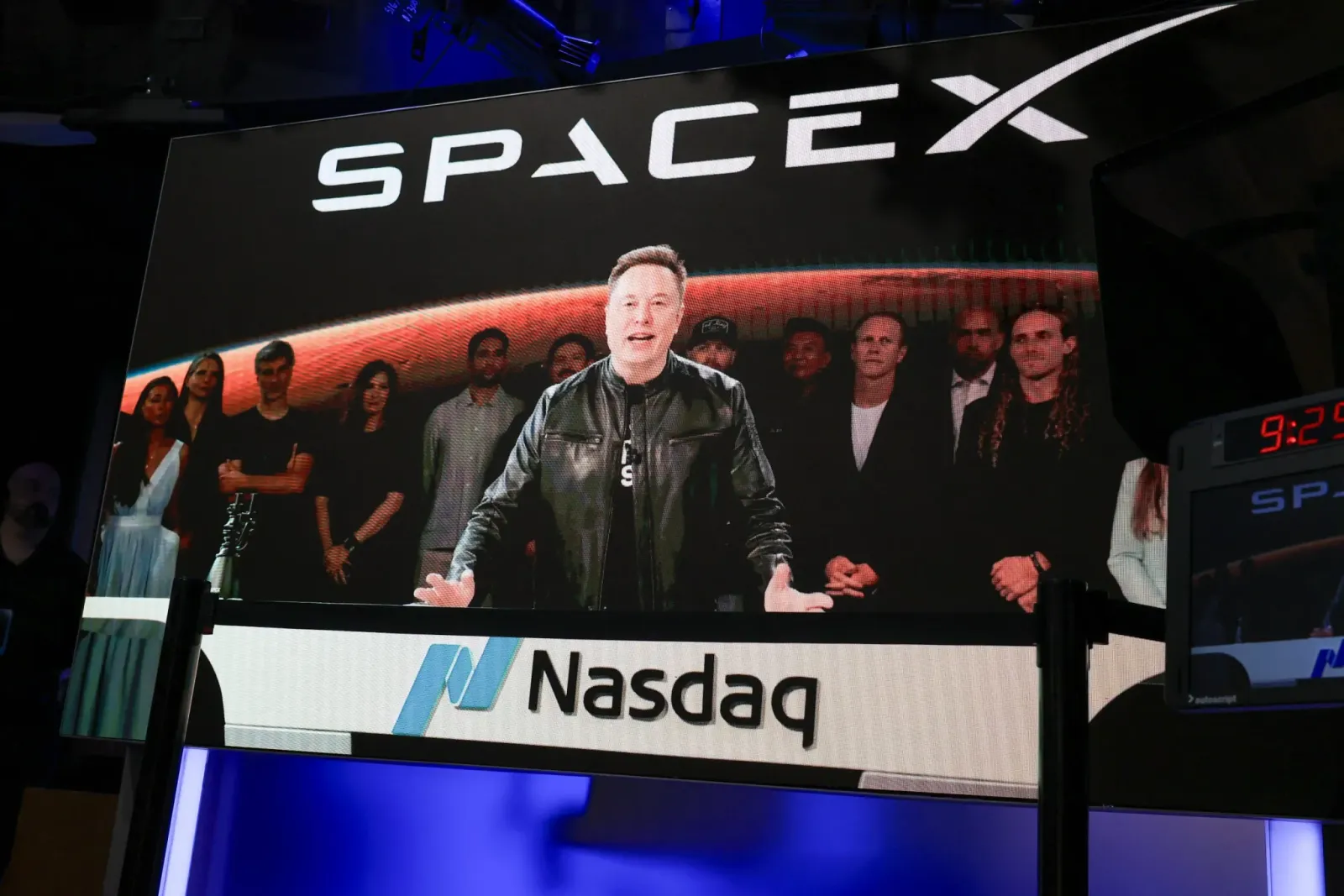
SpaceX stock closes at $161.11 after $2.1T debut valuation shatters expectations
The IPO priced at $135, surged on Nasdaq and Texas, and immediately rewired how executives think about mega-debuts.
SpaceX IPO priced June 12 at $135: Elon Musk crosses $1T as funds pick up the tab
The SpaceX IPO values the company around $1.77T and estimates Musk’s stake at $866.5B, with broad investor ripple effects.