
Embark Killed Three Esports Recaps After AI Replaced Its Human Casters
The Finals studio calls the swap a 'mistake' and shelves its AMER and EMEA recaps, while the casters it cut push for contracts that ban generative AI from using their voices.
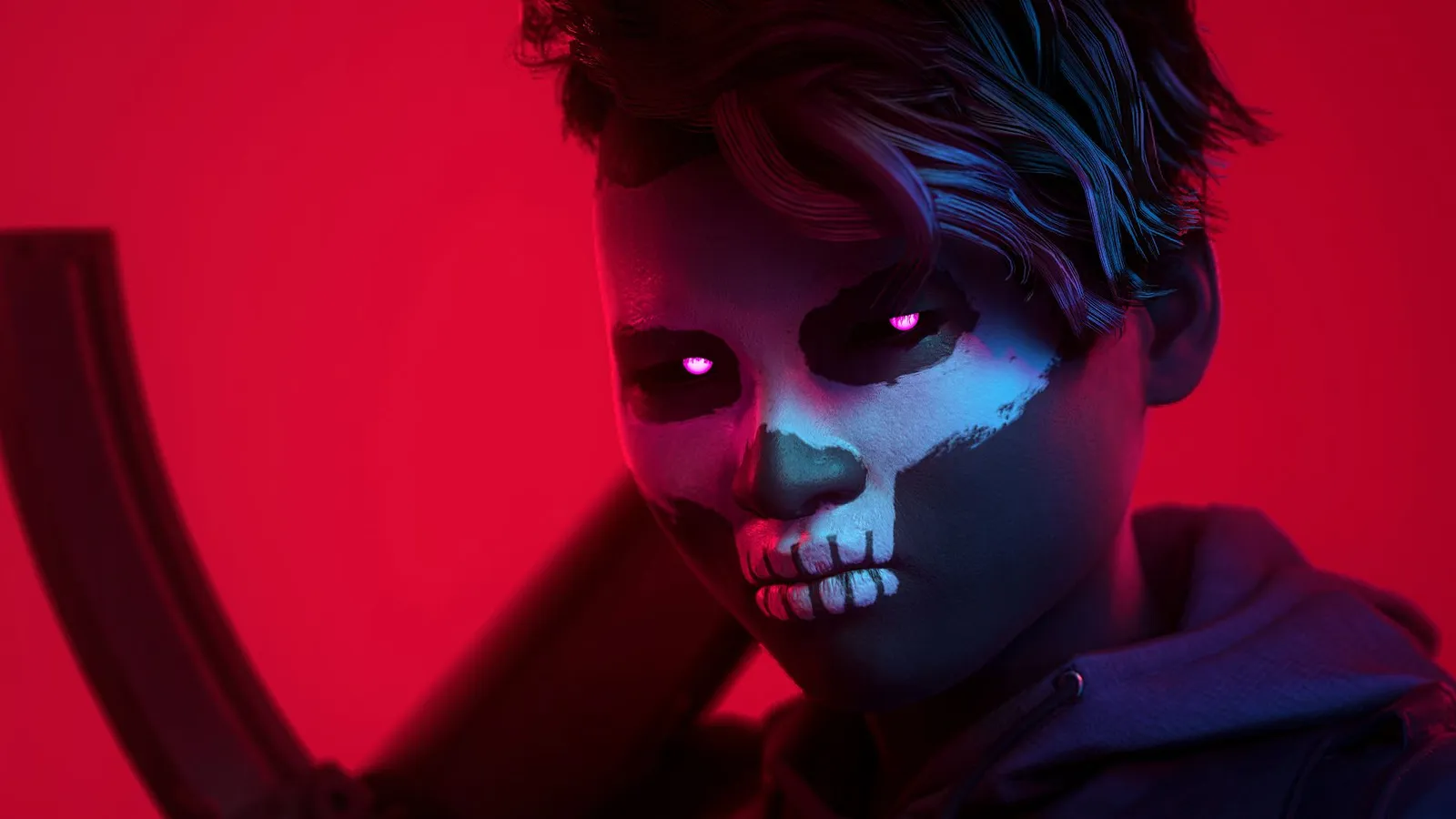
Embark Studios community and competitive operations lead Oscar Lundberg apologized after the studio replaced the human casters of The Finals' APAC qualifier recap with the game's AI commentators, Scotty and June, pulling the video and shelving the AMER and EMEA recaps planned in the same format. For executives shipping AI into community-facing products, the episode shows the reputational and content-plan cost when the people you cut are also the ones who built the audience.
Embark Studios has pulled an esports recap video and shelved two more after replacing the human casters who actually called the matches with the AI voices built into its own game. Oscar Lundberg, Embark's community and competitive operations lead, posted an apology on X calling the substitution a "mistake" and confirming the fallout is bigger than one video: the APAC recap is down and "won't return in this form," and the AMER and EMEA recaps "planned in the same format won't go out as planned either." His closing line: "we're rethinking all three." That is a three-region content plan scrapped, not a single clip quietly deleted.
The video covered the APAC Closed Qualifiers for The Grand Major, the annual championship tournament for The Finals, Embark's team-based first-person shooter. The casters were human. The recap was not. As first reported by IGN, Embark built a highlight package from qualifier clips and swapped the original commentary for audio from Scotty and June, the game's AI commentators. Caster ProtoANZ did not take it quietly. "After 4 cycles, open/closed quals, the time, effort, passion and emotion myself @TheeHyperactive and @bluepanda_casts put in," ProtoANZ wrote on X. "We get replaced by two AI casters who even quote us:/ I get they are apart of the game but yikes. Thanks @reachthefinals."
The response from the wider casting world was swift and blunt. League of Legends caster Sam "Initialise" Hapgood called it "dystopian." Jen "LemonKiwi" Pichette described it as "appalling" and said "REAL casters deserve better." Bluepanda, reposting ProtoANZ's message, framed it as a pattern rather than a one-off: "For nearly 7 years I've been repeatedly told that my work is valued and appreciated only to then have the same people saying those things turn around and either completely ghost me or tell me they're going in a different direction with talent and that my services aren't needed GG." That is the part that should worry any operator running a creator or talent program: the grievance is not one video, it is a decade of assurances that did not hold.
Embark told IGN the swap "wasn't the right call" and thanked people for their "candid feedback." That did not land with the people at the center of it. Bluepanda told the site that Embark "saw no issue with this until they received overwhelming global backlash" and that the response amounted to "Whoopsie, we didn't think people would mind." "It says to me that they're not really sorry at all," Bluepanda said, adding that they are "done with the game and esports as a whole at this stage" because the effort, "especially in OCE," just is not worth it anymore. A named apology, in other words, does not automatically buy back trust when the people apologizing are the same people who signed off on the swap.
This is not a stray experiment at Embark; AI voice is load-bearing in its strategy. The studio recently announced a "dynamic commentary" feature for The Finals that lets Scotty and June call out specific gameplay events and individual player names. Earlier this month it defended AI voices in Arc Raiders, arguing it was "too impractical to record every possible version" of in-game items because the voice actors, people who literally make their living reading scripts, "would just go crazy if they had to read all of that." For context, that is the standard economic case studios make for synthetic voice: coverage and scale at a fraction of the cost of booking, directing, and paying talent for thousands of permutations. The counter-case is the one now playing out in public.
ProtoANZ has a plan for that. Calling the situation "a shit show," the caster called for an esports talent union to protect commentary and production teams, with contracts as the lever: "We'll turn around and say, 'We're not doing this until people send us contracts that essentially ban the use of our voices in generative AI'." For context, entertainment unions have historically fought exactly this fight over reuse of performances, and the playbook is familiar: consent, credit, and compensation language written into the paperwork before anyone steps into a booth. Esports has historically been far less organized than screen acting, with much of its commentary and production work done on short-term deals and thin margins, which is precisely the gap ProtoANZ is pointing at.
The strategic math here is uncomfortable for anyone shipping AI features into a community-facing product. Embark's stated goal was sound on paper: use Scotty and June to pull more casual interest into The Finals esports ahead of The Grand Major. Instead, the move converted its most credible evangelists, the casters who spent four qualifier cycles building the storylines, into public critics, and one of them has now walked away from the game and the scene entirely. The cost of the AI swap was one highlight video. The cost of the backlash is a scrapped three-region content plan, an apology from a named executive, and a talent pool that now has a concrete, quotable reason to demand contract language before it shows up.
Watch three things from here. First, whether the "rethought" recaps come back with human voices, which would be the clearest signal that Embark changed the process and not just the messaging. Second, whether ProtoANZ's union idea moves from a post to an actual organizing effort, because a clause banning generative AI use of a caster's voice is a far bigger deal than one deleted video. Third, whether peers at other publishers treat this as a cautionary tale or a rounding error. The Finals case is small in dollars and large in precedent: it is a clear test of what happens when a studio's AI roadmap collides with the people who made its esports sound human in the first place.
This story's Key Insights and Take-aways are locked.
Create a free account to unlock Executive Actions for one credit.
Register to UnlockAlways free for Executives Club members. Join the Club
More in Entertainment

GTA 6 banks $3.8bn in one day, torching every launch record
One game just out-earned every video game launch and every single-day film box office haul in history, and the fallout lands on every media CEO's forecast.

GTA VI Racked Up $3.79 Billion in a Single Day, Topping Every Film Ever
A 13-year wait produced a $3.79 billion day, more than any movie has made in its entire run, and it resets the launch math for every studio, streamer, and brand chasing the same attention.

GTA 6 sells 32.5M pre-sales and $3.79B day one, torches 13-year record
Rockstar's sequel didn't just beat Grand Theft Auto V's 13-year-old benchmark; it reset what a launch can be, with 32.5 million pre-sale copies and $3.79 billion in a single day.