
Even Kim Kardashian's beauty brand is failing. Aniston, Hudson, Cardi B on what works
The celebrity beauty gold rush is over, and the founders still standing say the winners are built on repeat purchase, not follower count.
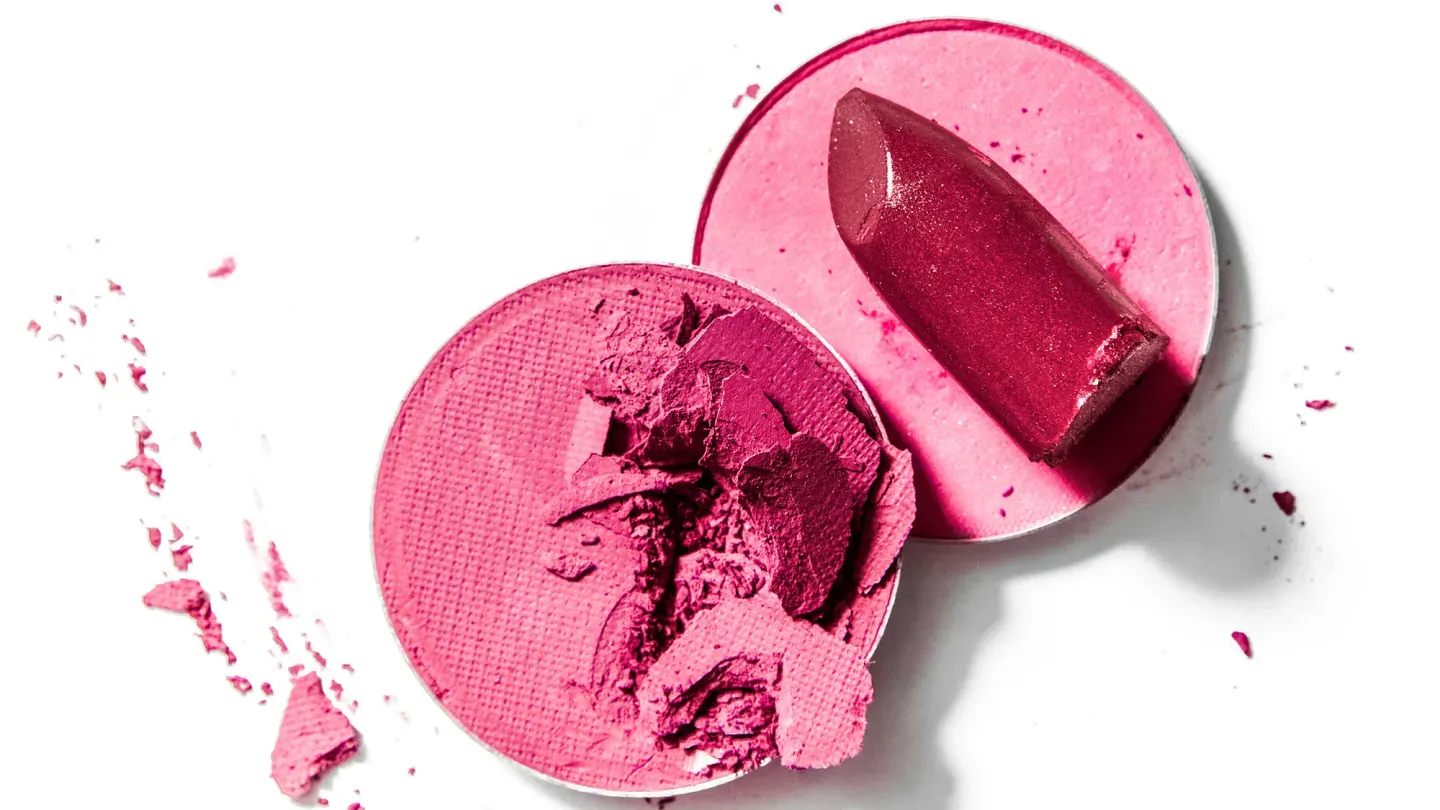
The Hollywood Reporter reports that celebrity beauty brands are failing across the board, with even Kim Kardashian's brand caught in the downturn, and gathers Jennifer Aniston, Kate Hudson, Cardi B and top branding consultants to explain what separates the infamous flops from the billion-dollar breakouts. For operators and investors, the takeaway is that fame buys a launch, not a franchise, and the brands that survive are the ones whose unit economics work without the founder in the frame.
The celebrity beauty gold rush has a body count, and it now includes the most famous name in the category. According to The Hollywood Reporter, celebrity beauty brands are failing, and even Kim Kardashian's is not immune. That is the headline the industry has been bracing for since the category shifted from novelty to land grab. Jennifer Aniston, Kate Hudson, Cardi B and a roster of top branding consultants weighed in for the piece, and the collective verdict lands hard: a famous face is a launch strategy, not a business.
The reporting draws a hard line between two outcomes. On one side sit the infamous flops, brands that burned through launch hype and then stalled. On the other sit the billion-dollar breakouts, the rare few that turned a follower count into a durable consumer franchise. The consultants' framing is the part that matters for anyone with capital on the line: the dividing line is not fame. It is what happens after the first purchase.
That sounds obvious. It is not. For most of the past decade, the celebrity beauty playbook assumed distribution would follow attention. Launch with a name that guarantees press, land a retail partner, sell out the first drop, and let the flywheel spin. The flaw is that the flywheel was never attention. It was repeat purchase, and repeat purchase is earned by the product, the price and the community around it, not by how many people recognize the founder on a billboard. Historically, categories that scale on novelty alone tend to plateau once the novelty is priced in.
The three names THR gathered represent three vantage points on the same fight. Aniston arrives from film and television, Hudson from lifestyle and apparel, Cardi B from music. Different audiences, different credibility, same structural test: can the brand survive the moment the founder's calendar fills up? The consultants' brief, as the piece frames it, is the unglamorous part of the business, the part that does not photograph well. Supply chain reliability. A price architecture that works at mass retail and in prestige. A product a customer rebuys without being reminded. A team that can run the company while the founder is on set, on tour, or on a press run.
For context on why this is a board-level issue rather than a gossip item: celebrity brands typically sit inside one of three structures. Some are wholly owned by the founder. Some are licensing deals, where the name is rented to an operator that carries the inventory risk. Some are backed by outside capital, often through incubators that build the brand and hold equity. Each structure produces a different failure mode. A licensing deal can survive a weak product for a while, because the operator is monetizing the name, not the formula. An investor-backed brand cannot, because the return model depends on margin and velocity, not on press impressions. When a category cools, licensing and incubator models tend to feel it first, because their economics assume a steady supply of new names and new launches.
The new rules, as the piece frames them, are less about virality and more about discipline. Earn the second purchase. Build a product story that does not require the founder in the frame. Treat retail as a partnership with finite shelf space, not a trophy. And be honest about which business you are actually running: a brand, or a licensing vehicle with a famous logo.
The second-order effects are already showing up in how deals get structured. Investors who spent years underwriting follower counts are now underwriting retention curves. Retail buyers who once cleared shelf space for a name are asking for sell-through data before they commit. And founders who assumed the launch was the hard part are discovering that the launch was the easy part, the part where the audience shows up for free.
For executives and boards watching this category, the lesson generalizes well beyond beauty. Any consumer business built on a personality carries the same exposure: the moment the personality stops being the growth engine, the underlying unit economics have to carry the company. That is a test most celebrity brands have historically failed, and per THR, even the biggest name in the game is not exempt.
This story's Key Insights and Take-aways are locked.
Create a free account to unlock Executive Actions for one credit.
Register to UnlockAlways free for Executives Club members. Join the Club
More in Entertainment

GTA 6 banks $3.8bn in one day, torching every launch record
One game just out-earned every video game launch and every single-day film box office haul in history, and the fallout lands on every media CEO's forecast.

GTA VI Racked Up $3.79 Billion in a Single Day, Topping Every Film Ever
A 13-year wait produced a $3.79 billion day, more than any movie has made in its entire run, and it resets the launch math for every studio, streamer, and brand chasing the same attention.

GTA 6 sells 32.5M pre-sales and $3.79B day one, torches 13-year record
Rockstar's sequel didn't just beat Grand Theft Auto V's 13-year-old benchmark; it reset what a launch can be, with 32.5 million pre-sale copies and $3.79 billion in a single day.