
F1 bosses agree V8 turbo hybrid deal for 2030, ending controversial engine era
The 2030 switch replaces power units the sport has itself called controversial, resetting the cost, sound, and manufacturer math for every team on the grid.
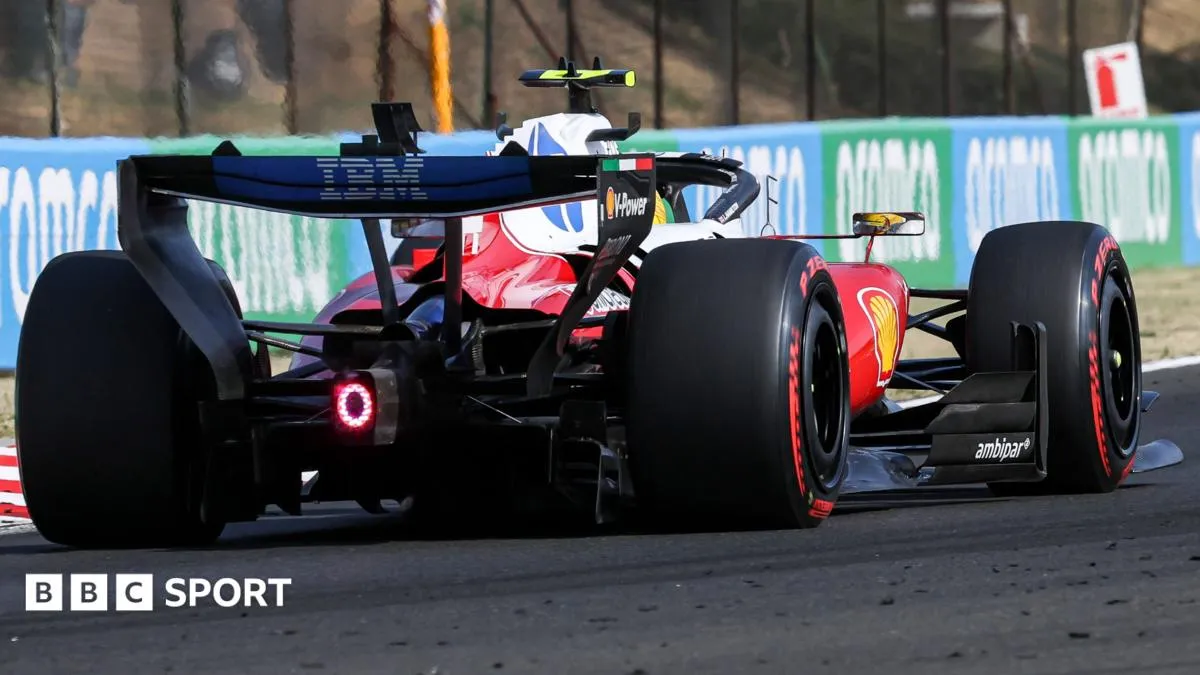
Formula 1's bosses have agreed a deal to replace the current controversial power units with V8 turbo hybrid engines from 2030. For decision-makers, it is a case study in how a long-dated regulatory reset redistributes advantage, capital, and supplier leverage across an entire industry.
Formula 1's bosses have agreed a deal that will put V8 turbo hybrid engines in the cars from 2030, replacing the current power units the sport has itself labelled controversial. That is the confirmed news, and it is bigger than the two-line version suggests. The engine formula is the most consequential rule in motorsport: it decides which manufacturers can afford to play, which teams can compete, and what the product actually looks and sounds like when the lights go out. A change of this size, locked in for 2030, resets the economics of the entire grid.
The word carrying the weight here is "controversial." The current units have been a running argument inside the paddock, and agreeing to replace them is effectively an admission that the argument was lost. Historically, F1's engine disputes cluster around four things: cost, complexity, noise, and relevance. A power unit that is expensive to develop narrows the list of suppliers willing to build one. A power unit that is quiet changes the show. A power unit with no clear road-car cousin makes it harder for a carmaker to justify the spend to its board. The V8 turbo hybrid is the sport's attempt to answer all four at once, and whether it works is the open question the 2030 deadline now forces everyone to answer.
Strip the jargon and the formula is straightforward. A V8 turbo hybrid pairs an eight-cylinder combustion engine with a turbocharger and an electric element that recovers energy the car would otherwise waste, then redeploys it. It is the same broad architecture the sport already runs, with two more cylinders and a different balance between combustion and electrons. F1 has been here before: the sport ran V8s for years before the current hybrid era, and those cars remain a fan touchstone, largely because of the noise. Bringing a V8 back, this time with a turbo and a battery attached, is an attempt to reclaim that sensory appeal without abandoning the efficiency story that carmakers need.
The 2030 date is the part that should interest anyone running a business with long capital cycles. Engine regulation changes in F1 are typically signalled years in advance precisely because the lead times are brutal. A new power unit means new chassis architecture, new cooling, new fuels, new simulation models, and a fresh round of supplier contracts. Announcing the switch with years of runway gives existing teams and any prospective new manufacturer time to commit capital, hire engineers, and build the case internally. It also creates a long lame-duck period: the controversial units will still be raced for several seasons yet, and every team has to decide how much more money to pour into a platform with a known expiry date.
That tension is where the real boardroom drama sits. Teams that are currently behind have an incentive to under-invest in the outgoing formula and bank everything on 2030. Teams that are ahead face the opposite problem: their advantage depreciates on a schedule they did not choose. Suppliers face a version of the same question, because the cost of developing a new power unit is typically the single largest capital commitment in the sport, and it only pays back if enough teams buy in. A regulation that is cheaper to build is, in theory, a regulation that attracts more entrants. More entrants means more competition, more marketing spend, and a healthier market for the sport to sell.
For sponsors, broadcasters, and the wider commercial machine, the pitch is simpler. A louder, more recognizable engine is an easier product to sell than a technical argument about thermal efficiency. F1 has spent the current era defending its sound and its costs to fans and manufacturers alike. A V8 turbo hybrid gives the marketing department something concrete: a name, a noise, and a date. The risk is equally concrete. If the new formula arrives in 2030 and the racing does not improve, or the costs do not fall, the sport will have spent a decade promising a fix it cannot deliver.
The strategic lesson travels well beyond the paddock. Long-dated regulatory cycles are competitive moats: the company that reads the rulebook early and commits capital first usually wins the transition, and the one that defends its legacy platform usually pays for it. F1's bosses have now put a stake in the ground for 2030. Every team principal, engine supplier, and sponsor on the grid has roughly the same amount of time to decide whether they are building for that date or milking the current one. The ones who move first will set the terms for everyone else.
This story's Key Insights and Take-aways are locked.
Create a free account to unlock Executive Actions for one credit.
Register to UnlockAlways free for Executives Club members. Join the Club
More in Entertainment

GTA 6 banks $3.8bn in one day, torching every launch record
One game just out-earned every video game launch and every single-day film box office haul in history, and the fallout lands on every media CEO's forecast.

GTA VI Racked Up $3.79 Billion in a Single Day, Topping Every Film Ever
A 13-year wait produced a $3.79 billion day, more than any movie has made in its entire run, and it resets the launch math for every studio, streamer, and brand chasing the same attention.

GTA 6 sells 32.5M pre-sales and $3.79B day one, torches 13-year record
Rockstar's sequel didn't just beat Grand Theft Auto V's 13-year-old benchmark; it reset what a launch can be, with 32.5 million pre-sale copies and $3.79 billion in a single day.