
F1 bosses near deal to replace controversial engines with V8 turbo hybrids in 2030
A deal to swap F1's controversial power units for V8 turbo hybrids in 2030 is close, and it resets who can afford to build an engine, who has to buy one, and what the sport sounds like.
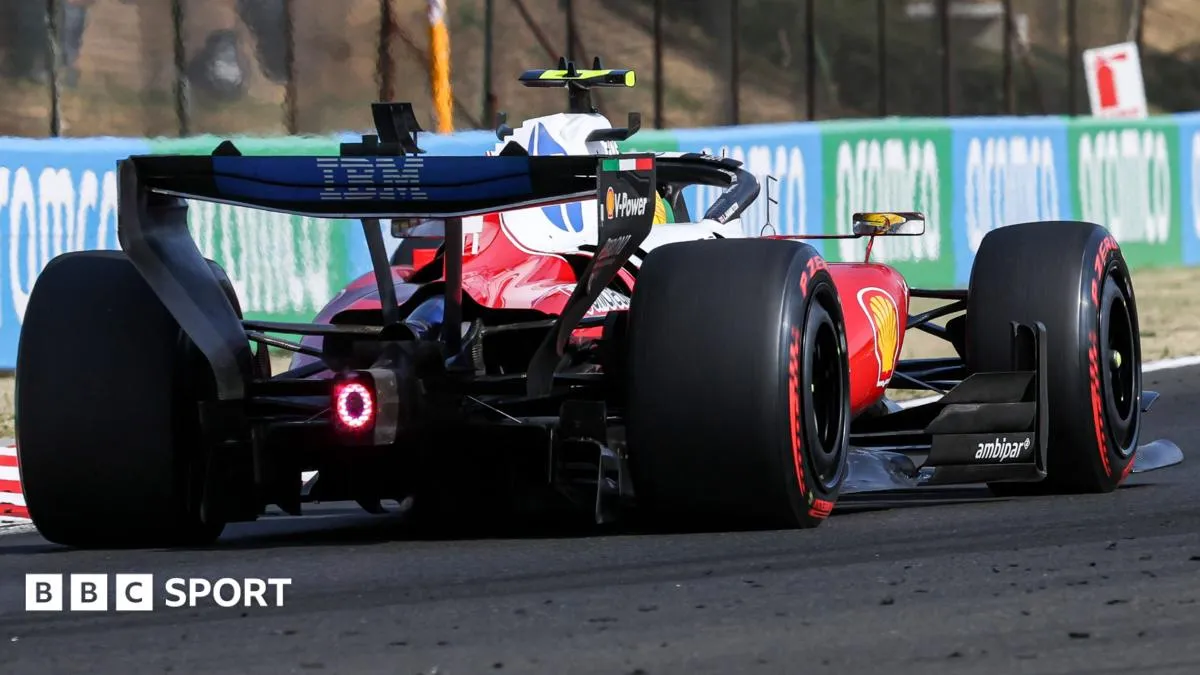
Formula 1's leadership is close to a deal that would replace the sport's current controversial power units with V8 turbo hybrid engines from 2030, according to BBC Sport. For decision-makers, it is a live case study in how regulatory timelines set years ahead of the product determine who can afford to compete and where capital and engineering talent flow next.
Formula 1's leadership is close to a deal that would put V8 turbo hybrid engines on the grid in 2030, replacing the current power units that have become one of the most argued-about pieces of the sport. That is the report from BBC Sport, and it is a bigger deal than the headline suggests. F1 does not rewrite its engine rules on a whim. When it does, it resets who can afford to compete, which manufacturers stay, and what the racing actually sounds and feels like for the fans paying for it.
The word to hold onto is "close". Nothing is signed. But the direction of travel is now clear enough to plan around: V8 turbo hybrids, arriving in 2030, replacing the current controversial engines. For anyone with capital, sponsorship dollars, or a career tied to the sport, that is a countdown clock that has just started ticking, and it runs through boardrooms long before it runs through a starting grid.
The current generation of power units has been a running argument almost since it arrived. They are extraordinarily complex, which makes them extraordinarily expensive to design, build, and run. Complexity also concentrates advantage: a manufacturer that nails the hybrid system can lock in years of performance, and rivals cannot simply buy their way back in. Fans, meanwhile, have complained about the noise, or the relative lack of it. Historically, F1's engine eras have been judged on two axes at once: technical relevance to the road car industry, and pure spectacle. The current rules have been seen as winning on the first and losing on the second, which is an uncomfortable place for a sport that sells emotion.
Engine rules in F1 are typically set years in advance, because a power unit is not a part you bolt on. It is a multi-season engineering program with a homologation deadline, and manufacturers need certainty before they commit headcount and budget. That is why the 2030 date matters more than the number itself. It gives the sport and its engine builders a runway, and it lands after the regulations already agreed for the next cycle have had time to run. In practice, a 2030 switch would mean the current formula gets one more full chapter before the rewrite, and every team's technical roadmap gets redrawn around a different set of constraints.
A V8 turbo hybrid is, in effect, a compromise dressed as a throwback. The V8 gives back the noise and the visceral appeal that older fans associate with the sport's peak. The turbo and the hybrid keep F1 inside the electrification conversation, which matters to manufacturers who use the sport to sell cars and to regulators watching the emissions messaging. It is a formula built to satisfy two constituencies that rarely agree: the purists in the grandstands and the boardrooms writing the cheques. Whether it satisfies both is the open question the deal has to answer.
The second-order effects are where this gets interesting for operators. Engine rules determine entry economics. A simpler, cheaper formula lowers the barrier for a new manufacturer to join and raises the odds that an existing one stays. It also reshapes the supplier market: teams that buy power units rather than build them are exposed to whatever price and performance their supplier sets, and that exposure shows up in the cost cap and in the competitive order. And it moves the technical arms race. If the engine becomes less of a differentiator, aerodynamic and chassis development, plus operational execution on race weekends, carry more of the weight. That changes where teams spend, which engineering skills command a premium, and how quickly a well-run midfield team can close a gap that used to be structural.
None of this is guaranteed. "Close to a deal" in F1 has historically meant anything from a signature within weeks to a collapse over governance, cost sharing, or who keeps the intellectual property. The sport's rule-making typically requires agreement across teams, manufacturers, and the commercial rights holder, and every one of those parties carries a different balance sheet and a different time horizon. Watch for three signals: whether the manufacturers publicly commit, whether the timeline survives the next round of commercial negotiations, and whether the technical specification gets locked before teams start spending against it. A deal that is close is not a deal that is done.
For executives, the lesson is about lead times. In capital-intensive industries, the rules change long before the product does, and the winners are usually the ones who read the regulatory signal early and start budgeting against it while competitors are still arguing about the headline. F1 has just sent that signal. The 2030 grid is being designed right now, in meetings that will never make the broadcast.
This story's Key Insights and Take-aways are locked.
Create a free account to unlock Executive Actions for one credit.
Register to UnlockAlways free for Executives Club members. Join the Club
More in Entertainment

GTA 6 banks $3.8bn in one day, torching every launch record
One game just out-earned every video game launch and every single-day film box office haul in history, and the fallout lands on every media CEO's forecast.

GTA VI Racked Up $3.79 Billion in a Single Day, Topping Every Film Ever
A 13-year wait produced a $3.79 billion day, more than any movie has made in its entire run, and it resets the launch math for every studio, streamer, and brand chasing the same attention.

GTA 6 sells 32.5M pre-sales and $3.79B day one, torches 13-year record
Rockstar's sequel didn't just beat Grand Theft Auto V's 13-year-old benchmark; it reset what a launch can be, with 32.5 million pre-sale copies and $3.79 billion in a single day.