
F1's V8 comeback: 2.1-litre turbos land in 2030
Stakeholders have agreed a framework to put 2.1-litre turbocharged V8s in Formula One cars from 2030, a call the FIA frames as a return to livelier racing.
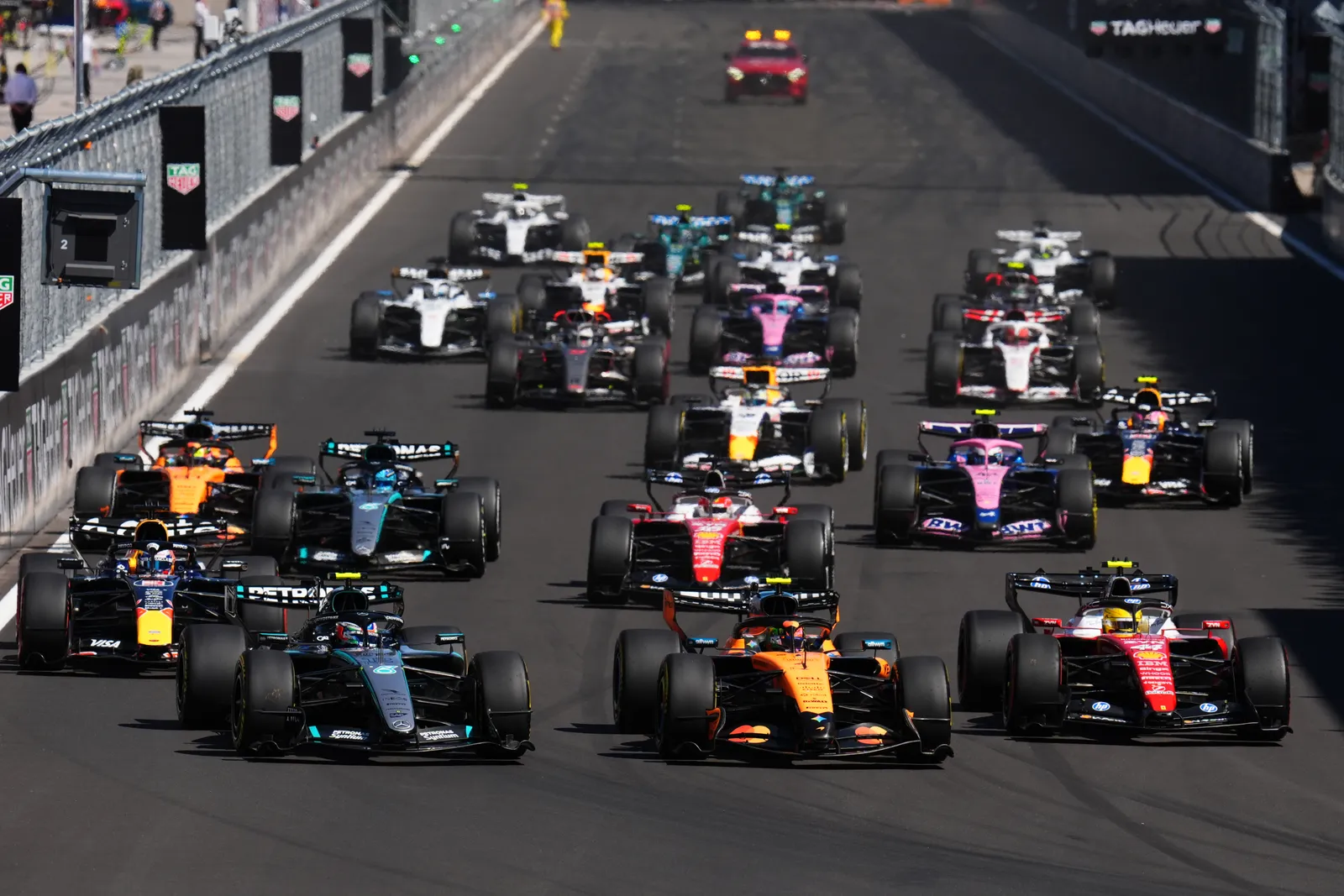
Formula One's stakeholders, with the FIA confirming the framework, have agreed to switch the sport to 2.1-litre turbocharged V8 engines from 2030, a move the governing body describes as a return to a livelier racing format. For decision-makers, the signal is that F1's next rules cycle is now set years in advance, which shapes manufacturer entry, team valuations and the commercial pitch sold to sponsors and broadcasters.
Formula One is going back to V8s. The FIA says stakeholders have agreed a framework to switch the sport to 2.1-litre turbocharged V8 engines from 2030, a change the governing body frames as a return to a livelier racing format. That is the whole of the announcement, and it is also the whole of the story. In motorsport, the most consequential decision is never a race result. It is the rulebook that decides what a race car is allowed to be.
Why a framework matters more than it sounds. In F1, engine regulations are effectively the sport's constitution. They set the cost of entry, the engineering problem every team must solve, the noise the cars make, and the commercial pitch sold to broadcasters, sponsors and host cities. A framework is the agreed direction of travel; the detailed technical regulations are typically written afterwards, and manufacturers then commit capital years ahead of the first green light. Locking the direction early is how the sport avoids its worst outcome: a rules vacuum that freezes investment while everyone waits to see what they are building.
For context, F1's last V8 era ran through 2013, when naturally aspirated engines gave way to the 1.6-litre turbo-hybrid V6 power units introduced in 2014. Those units were sold as the future: more efficient, more relevant to road-car engineering, more attractive to global automakers. They also drew years of criticism over cost, complexity and sound, and the last of those matters more than purists like to admit. Sound is a product feature. It is what a fan hears before they see anything, and it is what a promoter sells in a city-centre demo.
The 2030 specification, as described, is a 2.1-litre turbocharged V8. Turbocharging is the tell that this is not a simple nostalgia play. A turbocharged engine is a different engineering animal from the high-revving, naturally aspirated V8s of the previous era, which suggests the sport is chasing a different balance rather than a straight rewind to the pre-2014 formula. The FIA's own framing, a return to a livelier racing format, is a product statement as much as a technical one.
Timing is the part executives should underline. A 2030 start gives the sport several years of runway, which is roughly what an engine programme needs: design, dyno work, homologation, and integration into a chassis that has to be built around it. Historically, new power unit regulations have been announced well before they take effect precisely because the lead times are brutal and the spending is enormous. Manufacturers weighing an entry, and teams deciding whether to become works operations or stay customers, need that runway before they can underwrite the decision.
The second-order effects run wider than the grid. Engine rules shape which automakers find F1 worth the marketing spend, and automaker interest shapes team valuations, sponsorship pricing and the leverage rightsholders hold in broadcast negotiations. A livelier on-track product is also a retention argument at a moment when every sport is competing for attention against algorithmic feeds. If the racing is more entertaining, the case for the rights fee gets easier to make, and the case for a title sponsor's renewal gets easier too.
What to watch now is the gap between framework and regulation. Frameworks are agreements in principle. They can slip, get diluted, or be reopened when a manufacturer's board changes its mind or a cost negotiation turns ugly. The FIA has confirmed the direction, not the detail. Until the technical regulations are published and the first manufacturer commitments are signed, the 2030 V8 is a plan, not a product.
For leaders outside motorsport, the pattern is familiar. Long-cycle regulated industries are won and lost in the years before the rules take effect. The companies that move early on a framework, committing engineering and capital while the details are still being written, tend to shape those details. Everyone else inherits them. F1 has just told the market what the next decade looks like. The interesting part is who starts spending against it first.
This story's Key Insights and Take-aways are locked.
Create a free account to unlock Executive Actions for one credit.
Register to UnlockAlways free for Executives Club members. Join the Club
More in Entertainment

GTA 6 banks $3.8bn in one day, torching every launch record
One game just out-earned every video game launch and every single-day film box office haul in history, and the fallout lands on every media CEO's forecast.

GTA VI Racked Up $3.79 Billion in a Single Day, Topping Every Film Ever
A 13-year wait produced a $3.79 billion day, more than any movie has made in its entire run, and it resets the launch math for every studio, streamer, and brand chasing the same attention.

GTA 6 sells 32.5M pre-sales and $3.79B day one, torches 13-year record
Rockstar's sequel didn't just beat Grand Theft Auto V's 13-year-old benchmark; it reset what a launch can be, with 32.5 million pre-sale copies and $3.79 billion in a single day.