
FAA ground stop days before Thanksgiving leaves experts doubting the official reason
A nationwide halt days before the year's heaviest travel week exposed how much risk sits inside air traffic control upgrades, and the FAA's explanation is not closing the gap.
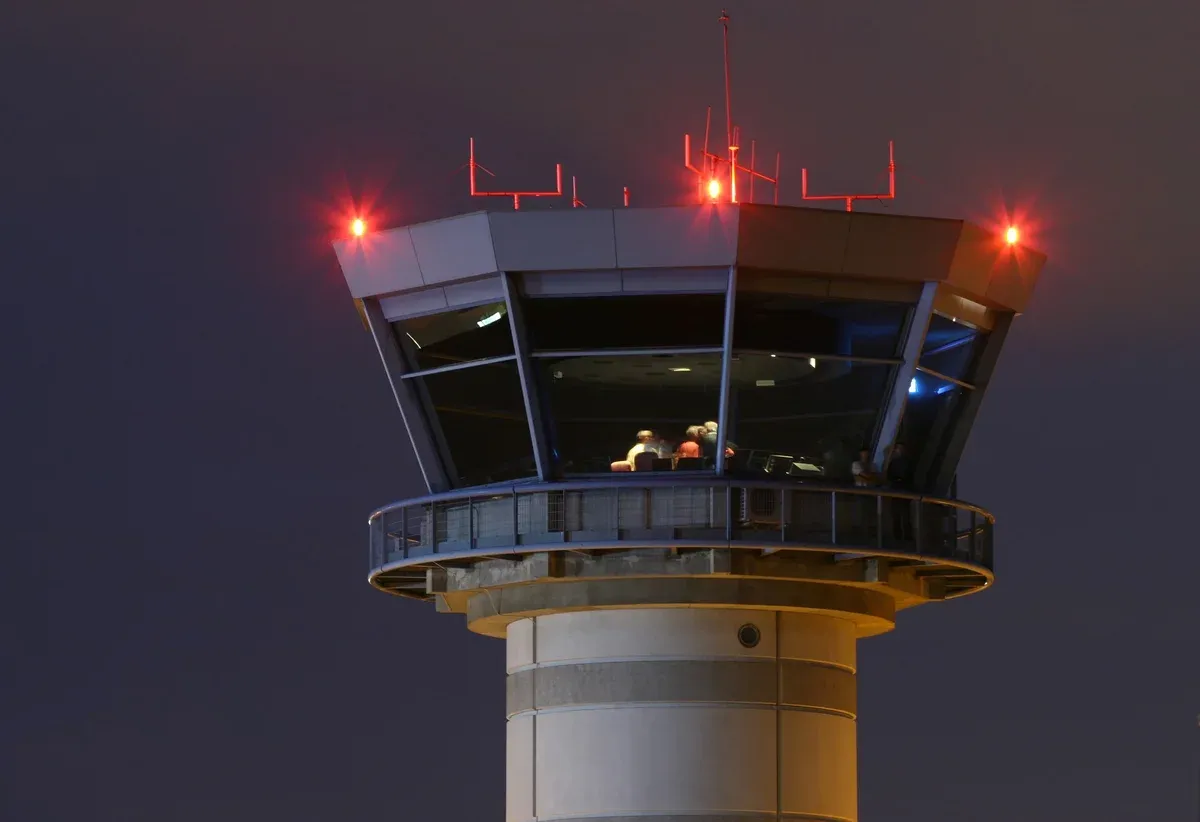
The Federal Aviation Administration ordered a nationwide ground stop with Thanksgiving days away, and outside experts remain unsatisfied with the agency's official explanation, according to Scientific American. For operators and boards, the episode is a case study in how the riskiest moment for any critical system is the upgrade itself, not steady-state operations.
The Federal Aviation Administration ordered a nationwide ground stop, and with Thanksgiving only days away, the timing was the story. A ground stop is the bluntest instrument in American aviation: it halts departures, sometimes across the entire system, and it is not a decision any regulator reaches for lightly. What the FAA said about why it happened has not satisfied outside experts, according to Scientific American, which framed the episode around a larger question: how risky air traffic control upgrades really are.
Start with what a ground stop actually does. Historically, the FAA uses them for weather, security events, or traffic volume that a single airport or region cannot absorb. A nationwide version is rarer still, because the knock-on effects compound fast. Aircraft sit at gates. Crews time out. Passengers miss connections. And because the US aviation network typically runs close to capacity on ordinary days, a system-wide pause just before the heaviest travel stretch of the year is the kind of event that ripples for a week, not an afternoon.
The deeper issue is the machinery underneath. Air traffic control is a layered stack of radar, radio, flight-planning software, and increasingly satellite-based navigation, much of it decades old and much of it mid-replacement. The FAA's long-running modernization effort, known as NextGen, has been in motion since the mid-2000s and has historically drawn criticism from government auditors for running over budget and behind schedule. That is the context Scientific American is pointing at. When you upgrade a system that never gets to shut down, every change window carries operational risk, and the public only sees the moments when something goes wrong.
Thanksgiving week is historically the busiest stretch on the US travel calendar, and airlines schedule to the edge of their capacity. That makes the calendar itself a risk factor. A pause on a quiet Tuesday in February is an inconvenience. A pause in the days before Thanksgiving strands aircraft and crews in the wrong cities, and the network does not reset until both the planes and the people flying them are back in position. Airlines typically build buffers for weather. They build far less buffer for a regulator-ordered halt with no clear end time.
That is why the official explanation matters so much. Experts, per Scientific American, still are not satisfied with it, which turns an operational event into a credibility question. When the public explanation does not match the severity of the response, three things tend to follow: congressional scrutiny, because the FAA's budget and modernization programs are overseen by lawmakers; pressure on airlines to explain their own contingency planning; and a harder look at whether the agency has the staffing, tooling, and testing discipline to modernize safely while the system stays live.
For anyone outside aviation, the second-order effects are the useful part. A nationwide ground stop is a stress test of every business that assumes reliable air travel: field operations, supply chains that move high-value or perishable freight in the bellies of passenger jets, sales teams, and the conference calendar. Corporate travel policies rarely price in systemic aviation risk, and most contingency plans assume a regional disruption, not a national one. Insurance and operations teams tend to model the weather. They model far less often the possibility that the regulator simply stops the system.
The strategic lesson is about the riskiest moment in any critical system: the change itself. Steady-state operations are usually well understood. Upgrades are where assumptions break, because you are altering a system while it is running and while thousands of people depend on it. The organizations that handle this well typically do three things. They stage changes in narrow windows. They keep a tested rollback path. And they communicate the reason for a disruption in enough detail that outsiders can verify it. The FAA now faces that third test in public, days before the busiest travel week of the year.
Watch three things next: whether the FAA publishes a fuller technical account, whether lawmakers call hearings, and whether airlines adjust schedules or messaging heading into Thanksgiving. For executives running any critical platform, the takeaway is uncomfortable but simple. The upgrade you are planning is the moment your system is most exposed, and the explanation you give afterward is part of the product.
This story's Key Insights and Take-aways are locked.
Create a free account to unlock Executive Actions for one credit.
Register to UnlockAlways free for Executives Club members. Join the Club
More in Science

Anthropic's I.P.O. Made Rank-and-File Researchers Worth Tens of Millions
Researchers who joined just a few years ago are now worth tens of millions, and the windfall resets the pay benchmark for every private A.I. lab still paying in paper.

Sea Lion Culling Strategy Fails: New Model Says Killing Them Won't Save Salmon
The latest research from AAAS overturn a long-held conservation assumption, forcing policymakers to rethink critical resource allocation in marine ecosystems.

Microplastics do more than pile up: they react with water to damage cells
Scientists have found that plastic particles can generate highly reactive molecules in water, a mechanism that could explain links to heart attacks, strokes, and neurological disorders.