
Friday the 13th's 13th Film Finds Its Jason, and a Dutton Ranch Final Girl
Horror, Inc. is bringing franchise veteran Steve Miner back to direct, slotting an all-new Jason opposite Dutton Ranch star Natalie Alyn Lind, and betting a legacy slasher brand can carry a 13th installment.
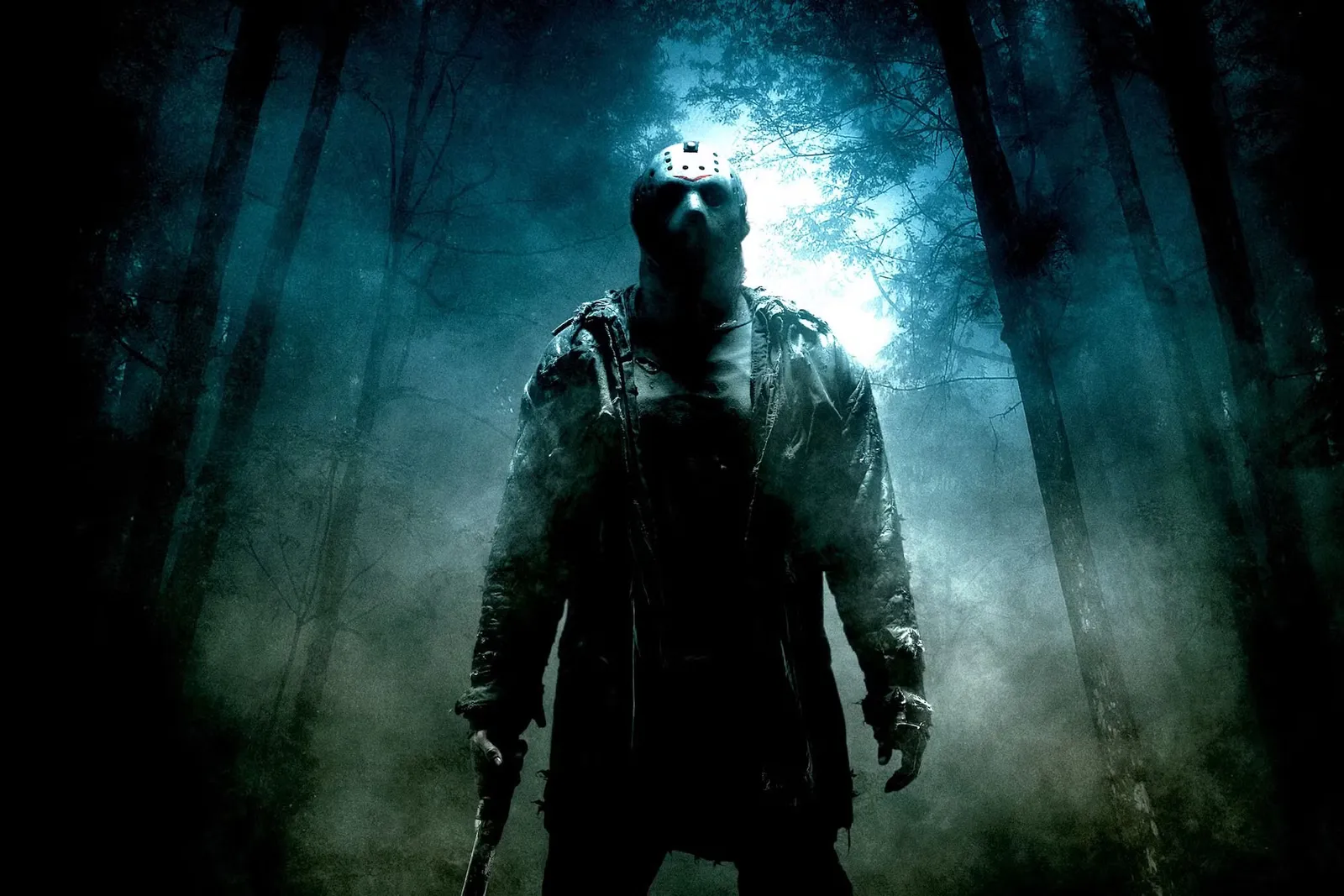
Horror, Inc. has revealed the cast and a next-year release date for the 13th Friday the 13th movie, with an all-new Jason, Dutton Ranch star Natalie Alyn Lind as the final girl, and series veteran Steve Miner directing. For anyone holding or building entertainment IP, it is a clean test of whether a dormant horror brand plus a recognizable television lead can convert nostalgia into opening-weekend cash.
Horror, Inc. has stopped teasing and started casting. Roughly a week after confirming that Jason Voorhees would return for the 13th Friday the 13th movie, the company has now locked in a release date for next year and named the two pieces of casting that actually move the needle: an all-new Jason, and Natalie Alyn Lind, the Dutton Ranch star, as the film's final girl. Steve Miner, a series veteran, is directing. That is a lot of decision-making compressed into seven days, and it answers the question hanging over last week's announcement, which was simply: what does a 13th installment actually look like? The answer so far is a rebooted killer, a television-bred lead, and a director who has already been inside this franchise once.
The number is the strategy. Friday the 13th is one of the few film brands where the title is a calendar event and the installment count is a marketing asset, and the 13th entry is the rare sequel that sells itself on arithmetic. That is why the casting matters more than it would for a standalone slasher. An all-new Jason resets the physical performance at the center of the franchise, which is a quiet reset of the property's long-term option value: a fresh performer in the mask means a fresh multi-picture runway rather than a nostalgia lap. Horror, Inc. has not built this as a one-off tribute. It has built it as a restart with a number attached.
Then there is Lind, cast as the final girl. The term is genre shorthand, and worth unlocking for anyone outside it: the final girl is the survivor who carries the audience's sympathy through the carnage, and historically the role that turns an unknown into a name. Casting a working television actor into that slot is the industry's standard arbitrage. Television builds recognition week after week; horror converts that recognition into a single weekend of ticket sales at a fraction of tentpole cost. The Dutton Ranch credit signals exactly the audience a slasher needs to reach beyond its core fans, and it points the film at viewers who follow performers rather than directors. Horror, Inc. has not disclosed her character, which is itself telling: the mystery is being managed, not given away.
Miner's return is the credibility piece. A franchise veteran coming back is the legacy-sequel playbook in miniature, and it is the cheapest insurance a rights holder can buy. Fans read the hire as continuity; new viewers read it as pedigree; and the production gets someone who already understands the constraints of shooting a body-count movie on a schedule. The economic logic underneath is the reason horror keeps getting greenlit while other mid-budget genres starve. These films are typically made for a fraction of what a superhero tentpole costs, they do not depend on international megastars, and they historically deliver disproportionate returns because the downside is capped and the upside is a franchise. A 13th entry is the purest expression of that math: the brand has already been paid for.
The release date is the other lever, and it is deliberately being held. Horror, Inc. confirmed a return next year and revealed the date alongside the cast, but the calendar slot itself is the kind of detail that gets managed for months. For context, studios have historically angled Friday the 13th releases at an actual Friday the 13th on the calendar, because the date does free marketing work. That is a real scheduling constraint, not a superstition, and it crowds the field: any date worth having is one competitors also want.
Zoom out, and this is a story about IP scarcity. Established horror libraries are among the most durable assets in entertainment because they are cheap to reactivate, they do not age out of relevance, and they come with built-in audiences that marketing departments cannot manufacture from scratch. Every time a rights holder dusts off a dormant slasher, it is testing whether brand equity can substitute for star power and spectacle spend. The 13th Friday the 13th is a clean read on that question: recognizable title, new lead in the mask, television name in the survival slot, veteran director behind the camera.
For executives watching, the operative question is not whether this film is good. It is whether the combination is repeatable. If a 13th installment performs, the lesson for every company sitting on an underused brand is that the cheapest growth in your portfolio may be the asset you already own and have stopped investing in. If it does not, the lesson is that number-driven nostalgia has a ceiling and that casting against a television audience is not a substitute for a reason to exist. Either way, the answer arrives next year, and the countdown starts now.
This story's Key Insights and Take-aways are locked.
Create a free account to unlock Executive Actions for one credit.
Register to UnlockAlways free for Executives Club members. Join the Club
More in Entertainment

GTA 6 banks $3.8bn in one day, torching every launch record
One game just out-earned every video game launch and every single-day film box office haul in history, and the fallout lands on every media CEO's forecast.

GTA VI Racked Up $3.79 Billion in a Single Day, Topping Every Film Ever
A 13-year wait produced a $3.79 billion day, more than any movie has made in its entire run, and it resets the launch math for every studio, streamer, and brand chasing the same attention.

GTA 6 sells 32.5M pre-sales and $3.79B day one, torches 13-year record
Rockstar's sequel didn't just beat Grand Theft Auto V's 13-year-old benchmark; it reset what a launch can be, with 32.5 million pre-sale copies and $3.79 billion in a single day.