
Gold could rebound 13% in 2026, but Middle East diplomacy might be the swing factor
State Street says gold may climb to $4,750 to $5,500 an ounce, with central bank buying and inflation hopes doing the work.
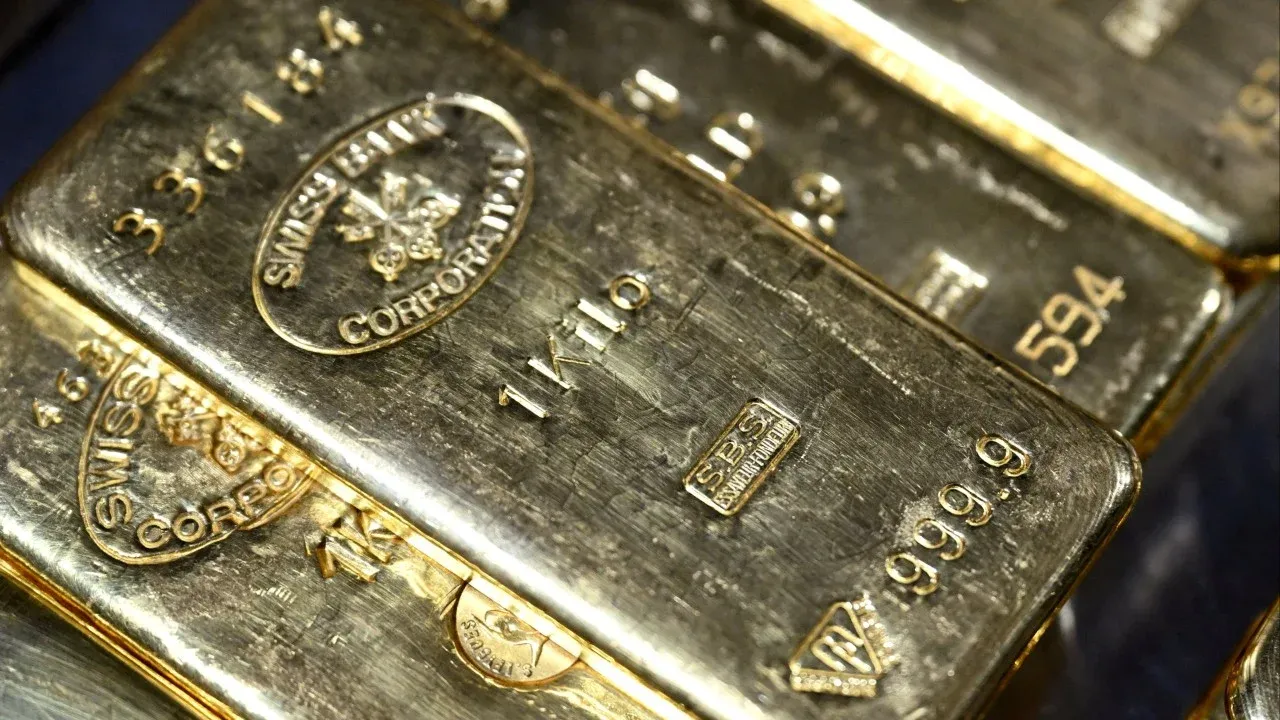
State Street Investment Management expects gold prices to rise at least 13% by year-end in a reversal of recent sell-offs. For decision-makers, the range and timing matter because central bank diversification demand and expectations around Middle East-driven inflation shifts could move portfolios and funding costs.
Gold prices may rise at least 13% by year-end as investors look for a reversal after recent sell-offs. In State Street Investment Management’s base-case view, the metal could climb to between US$4,750 and US$5,500 an ounce by the end of 2026.
The key is not just “gold is safe.” The money managers cited in the report point to two drivers that can change faster than headlines: central banks still want diversification, and hopes for a diplomatic solution to Middle East tensions are helping dial back inflation expectations. If those two things keep moving in the same direction, gold’s rebound case strengthens. If either stumbles, the upside path can get messy.
To understand why this matters, zoom out to how gold behaves in modern portfolios. Gold is not a cash-flow asset, so it tends to trade on real rates, inflation expectations, and risk sentiment. That means even small changes in what investors think inflation will do, or how worried they are about geopolitical flare-ups, can push the price around. Here, the report’s framing is simple but consequential: if diplomatic hopes reduce inflation expectations, gold can catch a bid. And if central banks remain steady buyers for diversification, that demand can provide a floor when other buyers fade.
Central bank diversification demand is the part that often moves slower, which is exactly why investors watch it. When a buyer as large and institutionally driven as a central bank comes into view, the market stops treating gold as purely a momentum trade. Even when private investors sell during risk-off periods, ongoing diversification demand can help prevent a full collapse from turning into a prolonged down cycle. The report explicitly notes that diversification demand from central banks “remains intact,” which is a big deal because it suggests the rebound does not rely on retail optimism.
Now add the second ingredient: Middle East tensions. The report says hopes for a diplomatic solution can “dial back inflation expectations.” Translation: if markets believe tensions will be contained rather than escalating, inflation expectations may cool, which can change the relative attractiveness of gold versus other assets. That is also why the story is inherently path-dependent. Geopolitics rarely moves in straight lines. But the mechanism is clear. Less inflation fear typically means fewer reasons to rush into gold purely as an inflation hedge.
State Street’s scenario matters because it comes with a specific destination. The report says gold could climb to between US$4,750 and US$5,500 an ounce by the end of 2026 in a base-case scenario. That range gives decision-makers something more useful than a vague “rebound is coming.” It implies that the rebound is not just a bounce, but a move large enough to matter for performance benchmarks, treasury planning, and risk dashboards.
This is also where the boardroom implications show up. Many organizations do not trade gold directly, but they do manage collateral, funding assumptions, and risk allocations that respond to macro variables like inflation expectations and geopolitical risk. If gold is rebounding and inflation expectations are being dialed back, the direction of travel can spill into currency moves, bond yields, and hedging costs. Even if your mandate is not “own gold,” the macro regime still sets the terms of your broader capital plan.
There is one more second-order issue executives should care about: timing. The report talks about a rebound “by year-end” and then projects a 2026 endpoint, which suggests the market is balancing near-term positioning with medium-term expectations. That creates room for volatility. If investors front-run the rebound early, prices can overshoot. If diplomacy hopes stall, the cooling in inflation expectations can reverse, and the market can reprice risk quickly. In other words, the rebound thesis has a conditional engine under it, not just a calendar.
For peers managing portfolios, underwriting risk, or overseeing treasury strategies, the strategic stakes are straightforward. The base-case range from State Street, US$4,750 to US$5,500 an ounce, is a target worth monitoring because it is tied to central bank diversification and inflation expectations shaped by Middle East diplomacy hopes. If those assumptions stay intact, gold’s at-least-13% by-year-end rebound story looks more plausible. If they wobble, the market can drop back into sell-off mode faster than most investment committees want to admit.
This story's Key Insights and Take-aways are locked.
Create a free account to unlock Executive Actions for one credit.
Register to UnlockAlways free for Executives Club members. Join the Club
More in Business

SpaceX debuts Friday on Nasdaq at $135, surges to $160.95, valued near $1.8T
A Nasdaq opening pop turns SpaceX into a public company overnight, forcing new money questions fast.

SpaceX shares jump 11% after its IPO, signaling a rush of AI mega-offerings
The biggest IPO ever in a crowded market just re-priced risk for the next wave: OpenAI and Anthropic.

Elon Musk became the world’s first trillionaire after SpaceX IPO lifted him past $1T
SpaceX shares jumped, and Musk’s $800B pre-IPO value crossed a trillion, reshaping how investors price “moonshots.”