
Google Investigates Russell Brand Prison Video Amid UK Removal Request
Google is investigating a Russell Brand YouTube video in which he says he is "not guilty" from prison, amid a UK Ministry of Justice removal request and Google's finding that no rules were broken, a standoff that tests platform moderation and government pressure.
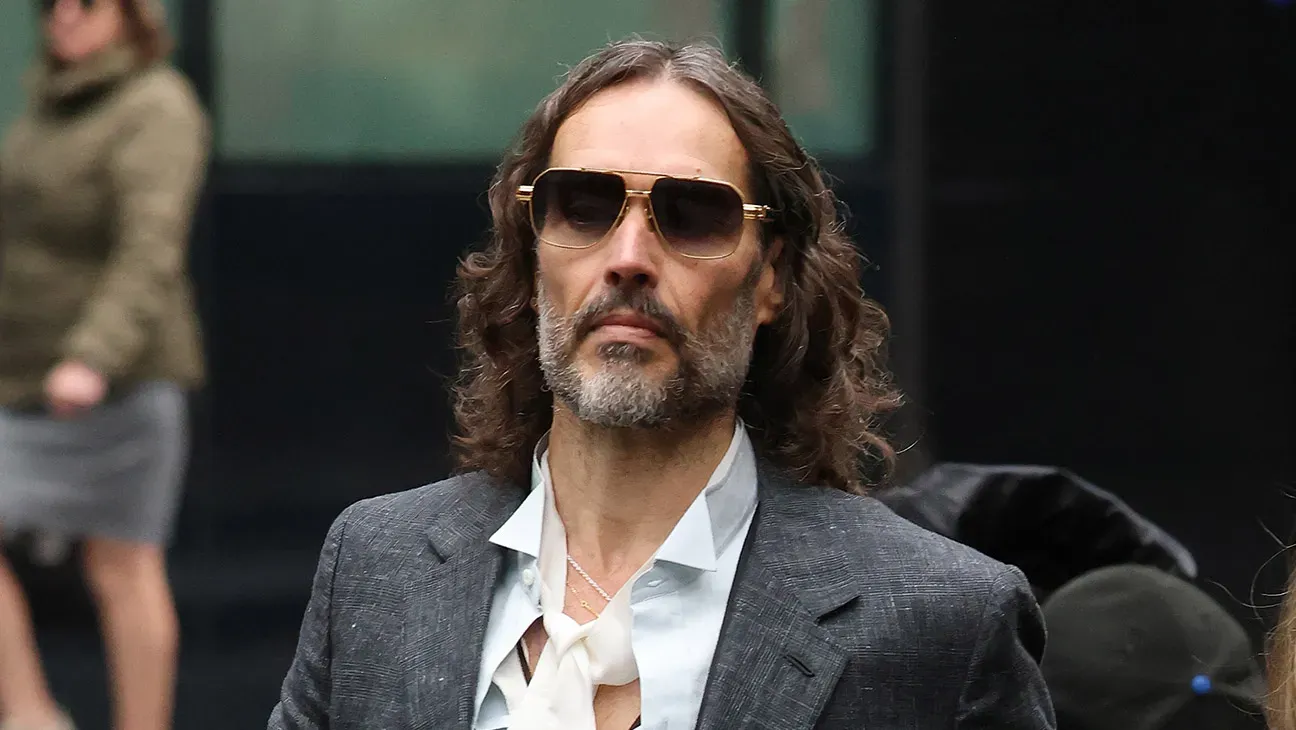
Google says it is investigating a YouTube video in which Russell Brand says he is "not guilty" in a message from prison, while BBC News reports that Google declined a Ministry of Justice request to remove the clip because no rules were broken. The case puts platform content policy, government takedown requests and the risks of high-profile prison communications on the same test bench for executives.
Google says it is investigating a YouTube video in which Russell Brand says he is "not guilty" in a message from prison. BBC News also reported that Google declined a request from the UK Ministry of Justice to remove the video, with Google saying none of its rules had been broken. That is the factual core of the story: a named public figure, a prison message, a government removal request and a platform that says its rules were not violated but is still looking into the clip.
The first thing to understand is that "investigating" and "removing" are not the same thing in platform land. A company can review a video, conclude it does not break its rules, and leave it live. The BBC report adds the crucial detail: Google declined the Ministry of Justice's request because it found no rule breach. So the public sees a platform that is examining a high-profile prison video and declining a government removal request. That combination is the pressure point.
Why does a Ministry of Justice request matter? For context, content takedown requests typically arrive through reporting tools, legal orders or direct complaints from users and rights holders. A request from a government ministry carries a different kind of weight: it signals that an institution, not just a viewer, wants the material gone. That does not automatically make the request legally binding, and the source does not say what legal mechanism, if any, the ministry used. But it does raise the cost of saying no. Platforms typically weigh the explicit rules they publish against the risk of political escalation, and high-profile cases can become test cases for both.
The Brand video is especially sensitive because the source places the message in prison and quotes only two words: "not guilty." The source does not detail the charge, the prison, the date or the full content of the video, and this briefing will not fill those gaps. That restraint matters. When a story involves a public figure, a prison and a platform, the internet tends to supply the missing facts faster than a newsroom can verify them. Google's investigation is therefore not just a moderation review; it is a test of how a platform handles a clip whose meaning is already being amplified by the headline alone.
The regulatory backdrop makes the decision harder. Governments in the UK and elsewhere have been pushing platforms to act faster on content that authorities consider harmful or unlawful. Platforms, meanwhile, have built their defences around published community guidelines, consistent enforcement and legal-process channels. If Google removes the video after saying no rules were broken, it risks looking inconsistent. If it leaves the video up, it invites the next request, the next headline and the next political question about whether platforms are accountable enough. Neither path is cost-free.
There is also a commercial and reputational layer. YouTube is a distribution engine for creators, and its rules are part of the product promise: advertisers want brand-safe environments, creators want predictable enforcement, and governments want rapid response. A single high-profile clip can expose gaps between those expectations. For executives, the lesson is not that every high-profile takedown request should be granted or refused. It is that the reasoning has to be documented before the pressure becomes public. The Ministry of Justice request is now part of the record, and so is Google's answer that no rules were broken.
The investigation also puts a spotlight on prison communications. Prisons are controlled environments, and material recorded or transmitted from inside them can raise security, privacy and legal questions that ordinary uploads do not. The source does not say how the video reached YouTube or who posted it. Those unknowns are exactly why platforms need escalation paths that go beyond a standard content review. A clip that starts as a message from prison can become a free-speech argument, a government test case and a board-level reputational issue in the same news cycle.
For peers in media, tech and regulated industries, the strategic stake is clear. Google's next move will be read as a signal about how much weight the company gives to a ministry request versus its own rules. Competitors will face the same question with their own high-profile cases. Investors and boards should ask not only whether the video stays up, but whether the process behind that decision can survive scrutiny. The headline is about Russell Brand and a prison message. The precedent is about every platform that has to answer a government request without looking arbitrary.
This story's Key Insights and Take-aways are locked.
Create a free account to unlock Executive Actions for one credit.
Register to UnlockAlways free for Executives Club members. Join the Club
More in Entertainment

GTA 6 banks $3.8bn in one day, torching every launch record
One game just out-earned every video game launch and every single-day film box office haul in history, and the fallout lands on every media CEO's forecast.

GTA VI Racked Up $3.79 Billion in a Single Day, Topping Every Film Ever
A 13-year wait produced a $3.79 billion day, more than any movie has made in its entire run, and it resets the launch math for every studio, streamer, and brand chasing the same attention.

GTA 6 sells 32.5M pre-sales and $3.79B day one, torches 13-year record
Rockstar's sequel didn't just beat Grand Theft Auto V's 13-year-old benchmark; it reset what a launch can be, with 32.5 million pre-sale copies and $3.79 billion in a single day.