
GTA 6 is out. Rockstar devs are unionizing over layoff fears anyway.
A Rockstar animation programmer says 24,000 industry jobs have been cut in two years, and even the biggest launch in gaming history is no guarantee of job security.
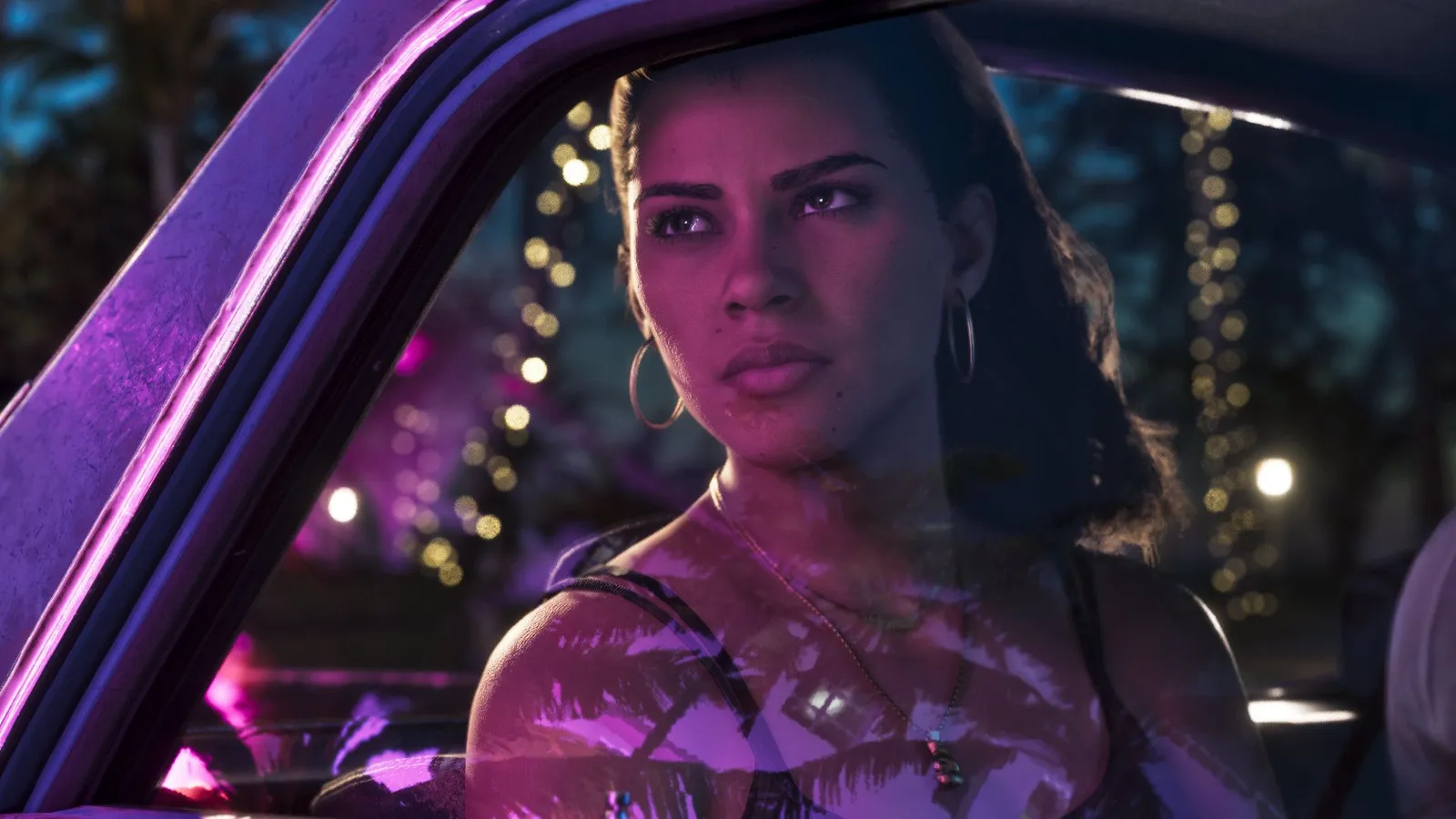
Nestor Uriart, an animation programmer at Rockstar Games, has publicly backed this month's UK-wide union-recognition ballot, arguing that organizing is the way to 'safeguard our jobs' even as GTA 6 ships as the most pre-ordered game of all time. For decision-makers, it is a live test of whether a record-breaking launch protects headcount at a publicly traded studio, and a signal that labor risk is now a board-level issue at any hit-driven company.
The game is out. The anxiety did not ship with it. Nestor Uriart, an animation programmer at Rockstar Games, used a Guardian op-ed to back this month's UK-wide union-recognition ballot at the studio, writing that organizing is the way to 'safeguard our jobs.' His argument lands in the same week GTA 6 hits shelves, and it rests on a number that should unsettle anyone who assumes a hit product protects the people who built it: an estimated 24,000 roles have been axed across the global games industry over the last two years.
Uriart is blunt about the paradox. 'It says a lot about the industry that even my colleagues and I, working on the biggest game of all time, are worried about getting laid off,' he writes. 'But the truth is that workers across the sector are helpless to resist the waves of redundancies crashing around us, until we get organised.' The scale of GTA 6 is not in dispute. It is the most pre-ordered game of all time, it is expected to break the commercial records set by GTA 5, and it sits tied with The Legend of Zelda: Ocarina of Time as the highest rated game of all time on Metacritic. None of that has translated into certainty for the people who made it.
The precedent is not hypothetical. Battlefield 6 was commercially successful at launch, and layoffs followed anyway. Tomb Raider's studio has now laid off employees for the sixth time since its last game. The pattern is consistent: when a studio sits under a publicly traded parent, strong sales and strong reviews get weighed against shareholder value, and they do not always win. Rockstar's parent, Take-Two Interactive, is publicly traded, which is exactly the structure Uriart points to when he argues that individual performance is no shield.
Uriart frames the ballot as more than layoff insurance. 'While the highs of a game release like this can be incredible, game workers have also come to expect other, less welcome side effects: intense overtime in the buildup and mass redundancies in the aftermath,' he writes. Unionizing, in his telling, is how the studio avoids a return to that cycle, and how it locks in recent gains. 'We have already seen the introduction of some overtime pay, and now we want to keep on pushing to ensure that every hour worked in our industry is an hour paid.'
He is careful to say there has been 'no indication that layoffs are coming, but it's hard not to worry about what the future holds.' That distinction matters. Union recognition is the gateway to collective bargaining over pay, hours, and the terms of any redundancy, which is why a ballot at a flagship studio carries weight well beyond its own payroll. If the most valuable development team in the industry organizes, the template travels to every other studio with a parent company and a quarterly report.
There is a second, quieter story in the coverage: Rockstar's budget does not 'represent a business model anyone else can or probably should emulate.' GTA 6 is a bet few publishers can underwrite, and its economics lean on years of post-launch monetization rather than the launch window alone. That is precisely the phase the studio is entering now. Development is transitioning into post-launch support, and as the coverage concedes, it is reasonable for a developer on the team to worry about downsizing once the sprint ends and the support roster is set.
For executives outside gaming, the lesson generalizes. A record-breaking launch is a product outcome; headcount is a capital allocation decision, and the two run on different calendars. The gap between a title shipping and a restructuring announcement is short, and the people most exposed are often the ones holding the deepest institutional knowledge of the codebase. Cutting them looks cheap this quarter and gets expensive in three years, when the next title ramps and the rehiring premium shows up.
Uriart's ask is narrow and specific: a recognized union at Rockstar. The implication is broader. If the team behind the biggest game of all time cannot treat success as security, no team can, and every board in a hit-driven industry should assume its own staff are running that math right now.
This story's Key Insights and Take-aways are locked.
Create a free account to unlock Executive Actions for one credit.
Register to UnlockAlways free for Executives Club members. Join the Club
More in Entertainment

GTA 6 banks $3.8bn in one day, torching every launch record
One game just out-earned every video game launch and every single-day film box office haul in history, and the fallout lands on every media CEO's forecast.

GTA VI Racked Up $3.79 Billion in a Single Day, Topping Every Film Ever
A 13-year wait produced a $3.79 billion day, more than any movie has made in its entire run, and it resets the launch math for every studio, streamer, and brand chasing the same attention.

GTA 6 sells 32.5M pre-sales and $3.79B day one, torches 13-year record
Rockstar's sequel didn't just beat Grand Theft Auto V's 13-year-old benchmark; it reset what a launch can be, with 32.5 million pre-sale copies and $3.79 billion in a single day.