
GTA 6 Scores a 99, Tying the Highest-Rated Game Ever - Before Launch
Rockstar's Grand Theft Auto VI tied the all-time Metacritic record and a Game of the Year nomination before launch, resetting the bar every rival now has to clear.
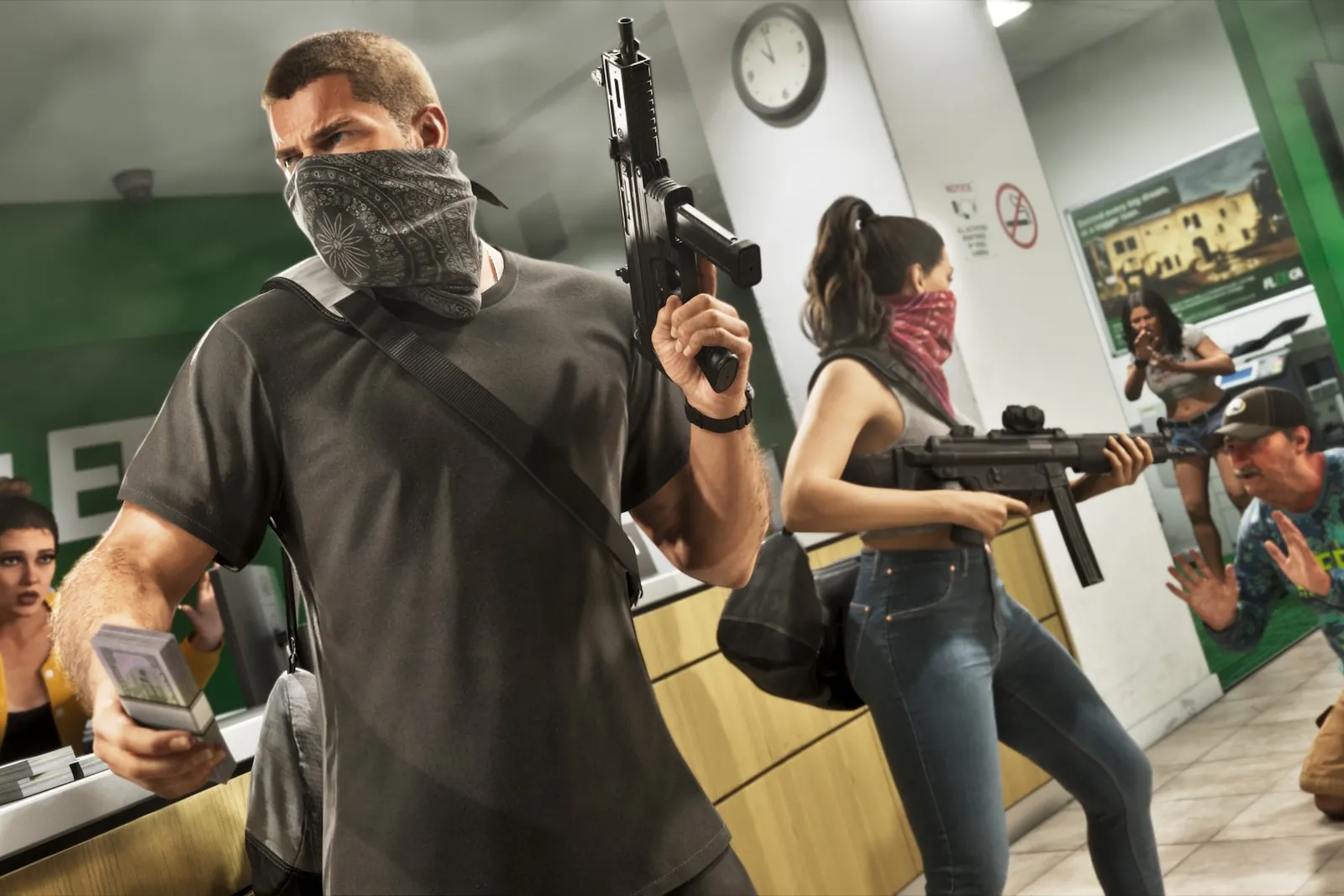
Rockstar Games' Grand Theft Auto VI lifted its review embargo to a 99 on Metacritic, tying the highest-rated game of all time, alongside a Game of the Year nomination that arrived ahead of launch. For decision-makers in games, media, and platform hardware, the open question is what a near-unanimous critical consensus does to launch-week pricing, platform demand, and rival release calendars.
The review embargo on Grand Theft Auto VI has finally lifted, and the verdict is close to a formality. Rockstar Games' latest title currently holds a score of 99 on Metacritic, the review aggregator, tying it with the original 1998 Nintendo 64 game at the top of the all-time leaderboard. That is the highest rating a major game can realistically reach, and it landed before most players have touched a controller. On Tuesday, ahead of launch, the game was nominated for Game of the Year.
For anyone who does not live inside Metacritic, here is the unlock. The site averages critics' scores into a single number out of 100, then ranks games against each other. Most well-reviewed big-budget releases land in the 80s. A 99 is a different category of result: it means the critical consensus is not merely positive but close to unanimous, the kind of score that usually surfaces decades later in retrospectives rather than in a launch-week press release. At the top of the scale, a single point is not a rounding error. It is the difference between a great game and a record.
The timing is the real story. Reviews normally land close to launch, and awards nominations normally land after a game has been in the wild long enough for voters to have played it. Here, both arrived before the game did. Rockstar has compressed a cycle that usually stretches across weeks of coverage into a single news day, and it did so on purpose, by choosing when the embargo broke. The nomination matters commercially because it is a marketing asset that does not have to be bought. It is granted, and it arrives with a logo, a date, and a reason for lapsed players to pay attention again.
Rockstar is the studio behind Grand Theft Auto, one of the few franchises in entertainment that behaves like a scheduled event rather than a product. Rockstar is owned by Take-Two Interactive, a publicly traded publisher whose valuation has historically leaned heavily on this franchise. That is the structural reason one number matters so much. For a company built on a small number of enormous releases, critical reception is not a nice-to-have. It is a forward indicator for the thing investors actually care about: whether a launch converts into years of player spending rather than a single weekend of sales.
The embargo is a piece of leverage, and it is worth understanding how it works. Publishers choose when reviews may publish. Release the embargo early and you signal confidence in the product. Hold it until the last possible moment and you signal the opposite, whether or not that is fair. Rockstar let the embargo lift and let the scores do the talking, which turns critics into the first wave of marketing rather than a risk to be managed. A 99 is not just a review score. It is an asset that will be reprinted on every store page, trailer card, and social post from now until launch.
For the rest of the industry, the second-order effects are the ones worth watching. A near-perfect score raises the bar for what counts as a successful release this cycle, and it complicates every rival's release-date math. Nobody wants to open against a game carrying a 99 and a Game of the Year nomination, so the weeks around this launch are now the most contested real estate on the calendar. The same logic runs through platform holders, retail, and anyone selling advertising against gaming audiences, all of whom get a demand spike they did not have to create.
There is a governance lesson buried in the reviews. Rockstar spent years and enormous sums building this game, and the return on that investment is now being priced by critics before a single copy has been sold. Boards in any hit-driven business, whether that is gaming, film, music, or streaming, face the same asymmetry. You cannot buy a 99, and you cannot guarantee one. You can only fund the conditions that make one possible, protect the people who do the work, and then wait for a number you do not control.
What to watch from here. Whether the 99 holds as more reviews post, because aggregate scores move as additional outlets file. Whether the Game of the Year nomination converts into a win, which would add a second wave of attention at no additional cost. And whether the launch numbers validate the critical consensus, because the gap between what reviewers love and what players actually buy is where fortunes are made and lost. Rockstar has the score. The market still has to answer.
This story's Key Insights and Take-aways are locked.
Create a free account to unlock Executive Actions for one credit.
Register to UnlockAlways free for Executives Club members. Join the Club
More in Entertainment

GTA 6 banks $3.8bn in one day, torching every launch record
One game just out-earned every video game launch and every single-day film box office haul in history, and the fallout lands on every media CEO's forecast.

GTA VI Racked Up $3.79 Billion in a Single Day, Topping Every Film Ever
A 13-year wait produced a $3.79 billion day, more than any movie has made in its entire run, and it resets the launch math for every studio, streamer, and brand chasing the same attention.

GTA 6 sells 32.5M pre-sales and $3.79B day one, torches 13-year record
Rockstar's sequel didn't just beat Grand Theft Auto V's 13-year-old benchmark; it reset what a launch can be, with 32.5 million pre-sale copies and $3.79 billion in a single day.