
GTA 6 ships 750 songs and 90 years of music across 20 radio stations
The game's 20-station dial is an unusually large single sync placement, and it resets the benchmark for how much licensed music one product can carry.
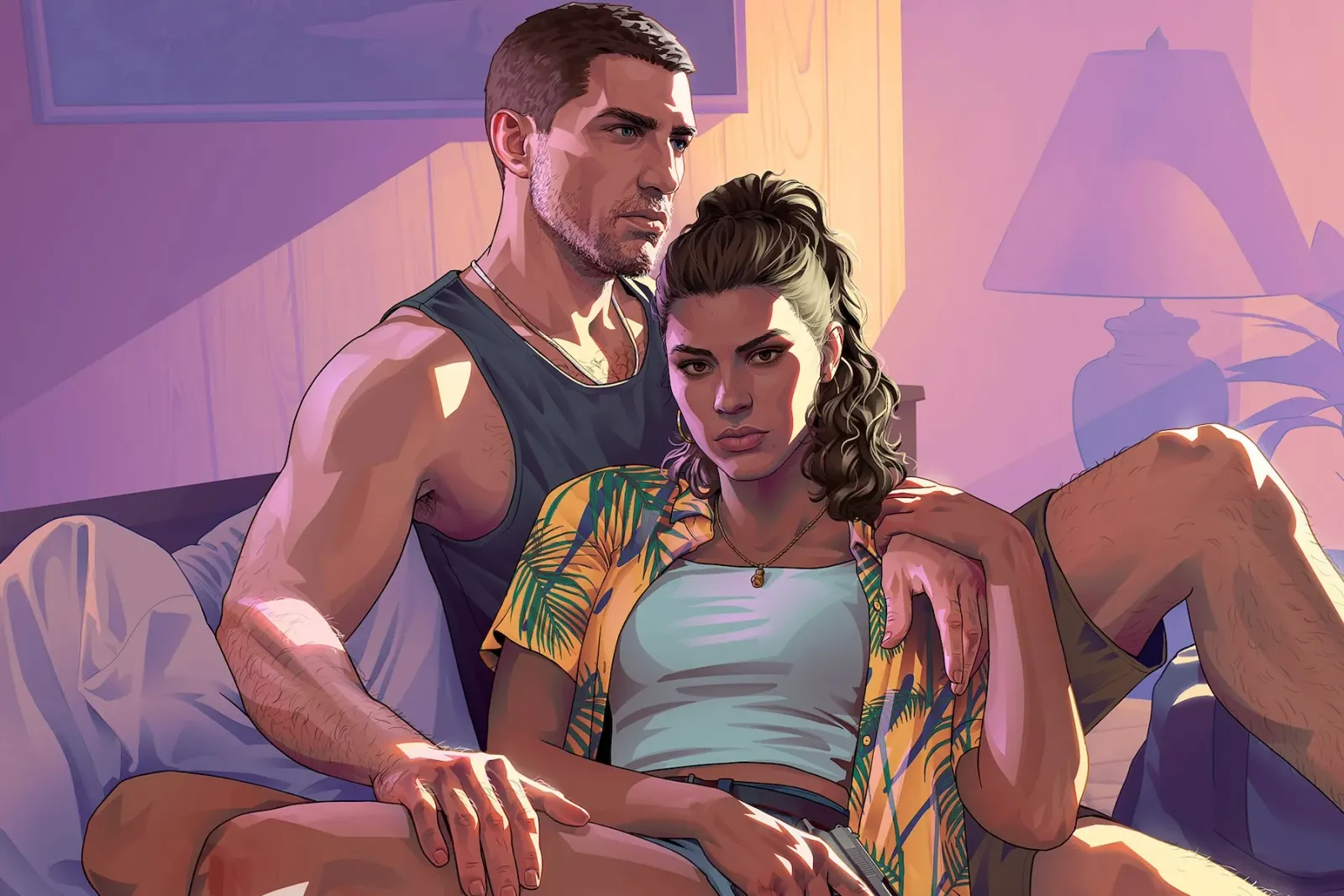
Grand Theft Auto VI, the latest entry in the GTA series, released Thursday with more than 700 songs across 20 in-game radio stations spanning 90 years of music, and players have already spotted nearly 750 individual tracks online. For music, media, and platform executives, the launch sets a new reference point for what a licensed catalog can do inside a product that commands global attention in its first week.
The number is the headline: Grand Theft Auto VI released Thursday with more than 700 songs spread across 20 in-game radio stations, a catalog that reaches back 90 years. Players, who have already taken the game apart piece by piece, have spotted nearly 750 individual tracks online. Variety reported the breakdown as the game, the latest entry in the GTA series, took the world by storm within days of release.
Read that as a business fact rather than a fan fact. Twenty stations is not a playlist. It is a programmed network, and it sits inside a game that players return to for dozens of hours. For the music business, that makes the launch an unusually large single sync placement. For the game's makers, it turns the radio dial into a retention tool: the longer a player stays in the car, the longer they stay in the world.
The series has treated its radio stations as a signature for decades. Historically, the in-game dial has done two jobs at once. It sets the tone of a fictional city, and it introduces players to records they would never have found on their own. That second job is the one the music industry cares about. A track that lands on a popular station inside a blockbuster game typically gets heard repeatedly, in a context players associate with a good time, and often sends them to streaming services afterward to find it.
Pulling off 90 years of music is a legal and logistical exercise, not just a curation exercise. Every song on that dial needs clearance on two fronts: the recording itself, usually controlled by a label or an artist's estate, and the underlying composition, controlled by publishers and songwriters. Older material adds another layer, because rights to pre-war and mid-century recordings have often passed through multiple owners, and estates frequently have a say. Multiply that by 20 stations and more than 700 songs, and you get a negotiation that historically runs for years, not weeks.
Why bother? Because the payoff is asymmetric. Licensing costs are a line item; the cultural return is not. A station that becomes a fan favorite turns into a brand asset that outlives the marketing budget, and it gives the game a reason to be talked about long after launch week. For labels and publishers, the calculus runs the other way. A placement here is exposure to an audience that skews young, global, and hard to reach through traditional channels, an audience that conventional radio has struggled to hold for years.
The 90-year span is the detail worth watching. A dial that runs from mid-century standards to current releases is effectively a curated history lesson delivered to people who did not ask for one, and it can move catalog value. Historically, when a legacy track gets a prominent sync, streams and licensing inquiries follow. That is why catalog owners, including estates that have spent years managing a single artist's legacy, pay close attention to what a game like this puts on rotation. It is also why the 20-station structure matters: each station is a genre, and each genre is a different set of rights holders with a different idea of what their music is worth.
The open question is what happens after launch. Games of this scale typically live for years, and radio stations are among the cheapest things to update. If the dial expands, rotates, or adds stations over time, the music inside the game becomes a live catalog rather than a fixed one, and the licensing relationship becomes ongoing rather than one-and-done. Rival publishers watching this launch will note that the soundtrack is not a cost center to be minimized. It is content, and content is what keeps players in the world.
For executives outside gaming, the lesson is about attention. A 20-station radio network inside a game that has already taken the world by storm is competing for the same ears as streaming services, podcasts, and radio itself, and it is doing it without asking anyone to leave the room. Music, media, and brand leaders who treat in-game audio as background noise are misreading where a large slice of young listening time now sits. The number to remember is not 750. It is 90 years, 20 stations, and one launch week.
This story's Key Insights and Take-aways are locked.
Create a free account to unlock Executive Actions for one credit.
Register to UnlockAlways free for Executives Club members. Join the Club
More in Entertainment

GTA 6 banks $3.8bn in one day, torching every launch record
One game just out-earned every video game launch and every single-day film box office haul in history, and the fallout lands on every media CEO's forecast.

GTA VI Racked Up $3.79 Billion in a Single Day, Topping Every Film Ever
A 13-year wait produced a $3.79 billion day, more than any movie has made in its entire run, and it resets the launch math for every studio, streamer, and brand chasing the same attention.

GTA 6 sells 32.5M pre-sales and $3.79B day one, torches 13-year record
Rockstar's sequel didn't just beat Grand Theft Auto V's 13-year-old benchmark; it reset what a launch can be, with 32.5 million pre-sale copies and $3.79 billion in a single day.