
GTA VI Nears $4B in a Day, With Bad Bunny on the Radio
Rockstar's 13-years-in-the-making sequel turned music's biggest names into in-game radio hosts and characters, and the payoff is a near-$4 billion opening day.
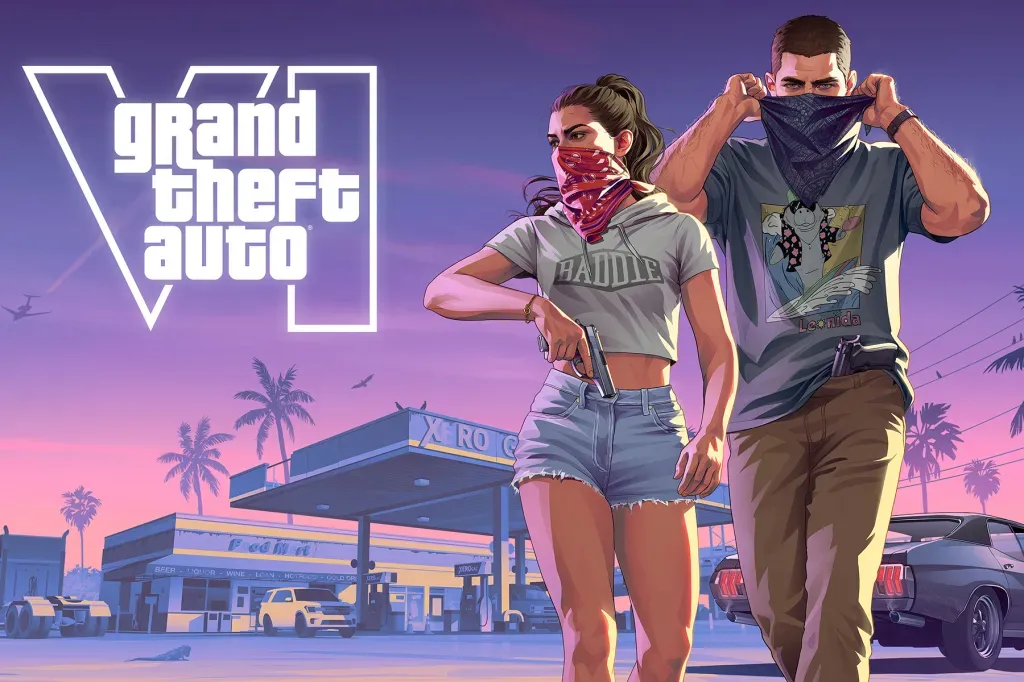
Grand Theft Auto VI has pulled in almost $4 billion in sales in a single day, per Billboard, with a music roster spanning Bad Bunny, Morgan Wallen, Lana Del Rey, Gloria Estefan, TLC and Keith Richards hosting their own in-game radio shows. For labels, publishers, brands and talent managers, the launch reframes in-game radio as a mass distribution channel that rivals any playlist or TV buy.
Grand Theft Auto VI has pulled in almost $4 billion in sales in a single day, according to Billboard, arriving 13 years after the franchise's last mainline entry and instantly resetting what a video game launch can be worth. The number is the headline. The second story is who is inside the game: a music roster that reads less like a soundtrack credit list and more like a festival lineup, a rap cipher and a classic rock radio block all fighting for the same dial.
Bad Bunny, Trina, Trick Daddy, Anitta, Burna Boy, TLC, N.O.R.E., The Alchemist, Charlamagne tha God, Morgan Wallen, Keith Richards, Seth Troxler, Lana Del Rey and Gloria Estefan are among the names who host their own shows on the game's radio stations, along with record producers and DJs. That is the mechanic that separates a GTA soundtrack from a playlist: these artists are not licensed background music, they are programmed as personalities with their own slots on the dial.
Others show up in person. Kodak Black, Sexyy Red and Freddie Gibbs appear in the game as themselves or as characters players interact with, and comedian, actor and rapper Zack Fox helped with TV ads and contributed to some of the writing. The result is a deliberate blur between artist and character that matches the game's satirical tone, where some performers play themselves and others put on a persona to fit the fiction.
The station lineup is wide on purpose: podcasts, traditional talk radio, and channels dedicated to Southern rap classics, pop, classical, Latin rap, U.K. hits, reggae and Afrobeats. Talk radio and podcasts sit alongside the music, which means the dial carries spoken-word programming as well as songs. Set in a fictional version of South Florida, it is built to feel like a real place, which is why cruising around causing havoc doubles as a listening session. You never know who is going to pop up, or how.
For the music business, the exposure math is unusual. A game that reaches nearly $4 billion in day-one sales is, by any measure, one of the largest simultaneous audiences a song or a DJ set can land in front of, and the artists hosting shows are effectively getting a residency inside it. Placements in the series have historically acted as a catalog catalyst, reintroducing older records to a new generation and handing newer acts a mainstream frame. The reverse is also true: the game borrows the cultural credibility of the artists, which is why the roster spans generations and genres instead of chasing one demographic.
Rockstar recently released the game's credits, which is what made the full accounting possible. Billboard compiled a list of everyone credited who is involved in the music in one way or another. Credits are not a formality in this industry. They are the paper trail that determines who gets paid, who gets billed, and who gets to put 'as heard in Grand Theft Auto VI' on a press release for the next decade. Billboard's coverage has extended to ranking every track from 'Grand Theft Auto VI: The Album,' a sign the music is being consumed as a product in its own right rather than a game feature.
For executives, the takeaway is about where attention now pools. A launch of this size is not only a gaming event; it is a media event with a soundtrack attached, and the artists, labels, publishers and managers who moved early are now sitting inside the biggest cultural moment of the year. For labels, that means treating game placement as a release strategy rather than a one-off sync deal. The flip side is the cost of absence. A catalog that is not on the dial is a catalog that is not in the conversation, and the window to claim a slot closes the moment the credits are published.
The Grand Theft Auto series has long been more than a video game; it is part of the pop culture zeitgeist, and this version treats radio as a product feature rather than a licensing afterthought. That is the part worth watching. If a near-$4 billion opening day is the new baseline for a blockbuster release, then in-game airwaves are a distribution channel in their own right, and the artists who claimed a show on them got there first.
This story's Key Insights and Take-aways are locked.
Create a free account to unlock Executive Actions for one credit.
Register to UnlockAlways free for Executives Club members. Join the Club
More in Entertainment

GTA 6 banks $3.8bn in one day, torching every launch record
One game just out-earned every video game launch and every single-day film box office haul in history, and the fallout lands on every media CEO's forecast.

GTA VI Racked Up $3.79 Billion in a Single Day, Topping Every Film Ever
A 13-year wait produced a $3.79 billion day, more than any movie has made in its entire run, and it resets the launch math for every studio, streamer, and brand chasing the same attention.

GTA 6 sells 32.5M pre-sales and $3.79B day one, torches 13-year record
Rockstar's sequel didn't just beat Grand Theft Auto V's 13-year-old benchmark; it reset what a launch can be, with 32.5 million pre-sale copies and $3.79 billion in a single day.