
GTA VI Wants Players to Be Nice to Their Girlfriend. Some Gamers Are Furious.
The franchise's first female protagonist is here, and a vocal slice of the fanbase is furious the game expects them to treat her with respect.
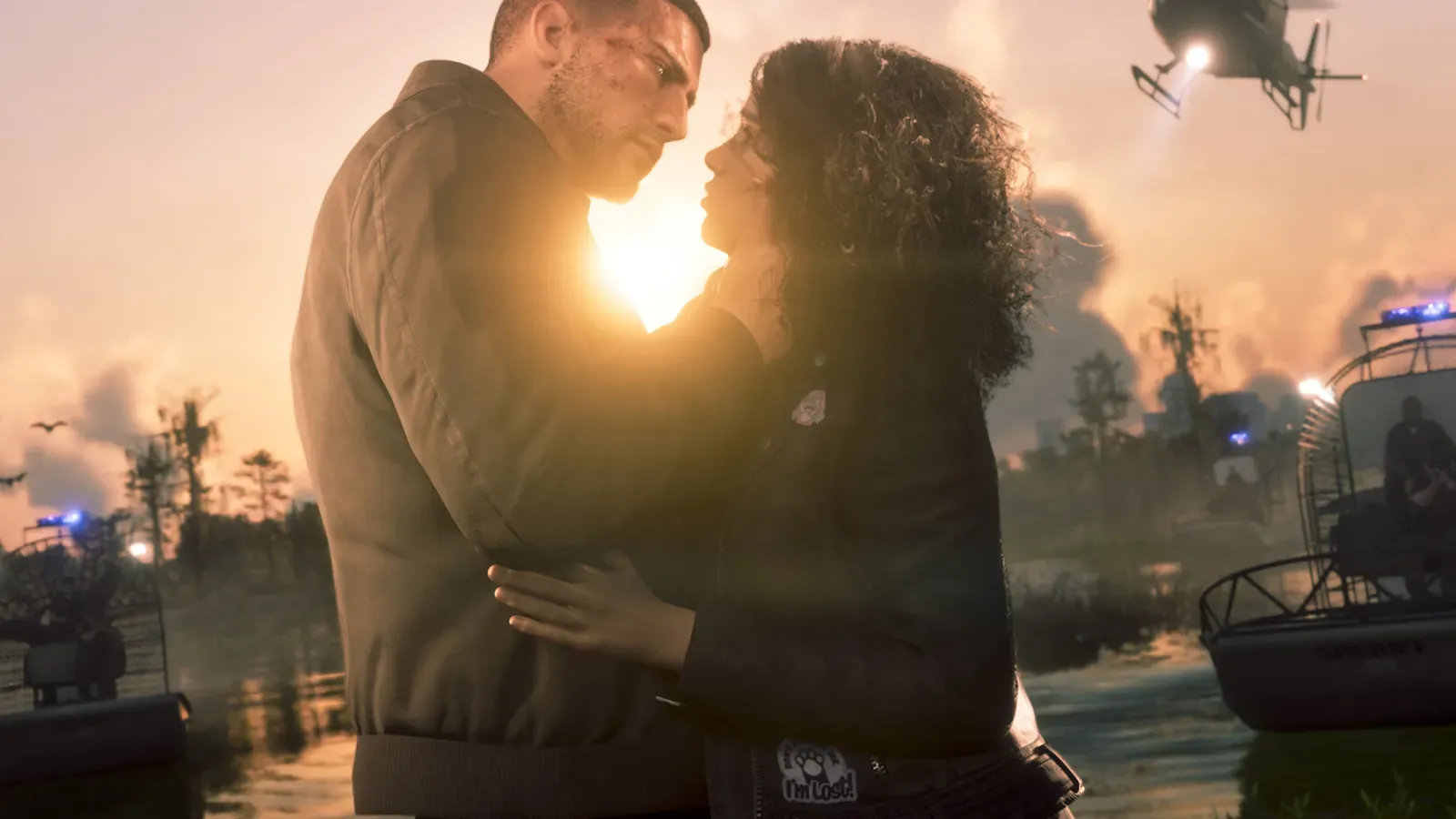
Rockstar Games' Grand Theft Auto VI introduces the first female protagonist in the franchise's history, and a vocal slice of the fanbase is furious that the game expects players to treat her with respect. For publishers of legacy brands, it is a live test of whether broadening a protagonist can add audience without torching the core one.
Grand Theft Auto VI puts a woman at the center of the biggest franchise in gaming, and a slice of its own fanbase is furious about what that apparently asks of them: being nice to her. The game features the first female protagonist in the series' history, and the loudest grievance circulating among some players is not about map size, mission design or frame rates. It is that the game makes them treat their girlfriend with respect.
That reaction is the story, not a footnote to it. Grand Theft Auto is the rare entertainment product that functions as a cultural event: each mainline release lands after a gap long enough to define a console generation, and its design choices get read as statements whether the studio intends them that way or not. Changing who the player controls, and changing what the game expects that character to be, is not a cosmetic tweak. It is a rewrite of the fantasy the franchise has been selling since the 1990s.
For context, the series spent most of its existence building that fantasy around men behaving badly. Its protagonists were criminals, hustlers and killers, and its satire was aimed squarely at American consumerism, media and violence. That formula worked spectacularly. It also hardened an expectation among a segment of the audience that GTA is, at bottom, a permission slip: a place to do the things you are not supposed to do, with no one asking you to be better. A female lead who has to be treated well collides directly with that expectation.
Note the specific shape of the complaint. It is not that the character exists. It is that the game attaches a cost to how you treat her. That is a design decision, and design decisions are where studios actually spend their money and their risk budget. Rockstar Games, the studio behind the franchise, and its parent Take-Two Interactive are not shipping a lecture; they are shipping a relationship that rewards or punishes how the player behaves inside it. Some players read that as the game moralizing at them, and moralizing is the one thing a franchise built on transgression cannot easily absorb.
Here is why this matters beyond a forum thread. Outrage is a marketing accelerant, and gaming has spent a decade learning that a loud minority can generate more free reach in a week than a paid campaign buys in a quarter. Historically, when a big franchise makes a casting or design choice that reads as a shift in who the product is for, the backlash itself becomes part of the launch cycle. That cuts both ways: it drives attention, and it drives review sentiment, community toxicity and the kind of press coverage that makes casual buyers hesitate. The studio's actual exposure is not the angry posts. It is whether the noise drowns out the thing the game is genuinely trying to sell.
The commercial logic behind the decision is not mysterious. Women have long made up a large share of the people who play games, and the audience for a premium blockbuster is broader than the audience that argues about it online. Broadening a protagonist is one of the cheapest, highest-leverage ways to signal that a franchise is for you. The risk sits on the opposite flank: the accusation that a series famous for its edge has gone soft. That is the tightrope every legacy brand walks when it modernizes, and it is a harder walk for a property whose entire identity is built on being the thing parents complain about.
So watch what happens next, because the pattern repeats across the industry. A studio with a decades-old, overwhelmingly male-coded franchise changes a protagonist, and the reaction splits into three groups: players who shrug, players who celebrate, and a vocal minority who treat the change as a personal loss. The first two groups buy the game. The third group usually buys it too, and posts about it either way. The real test is whether the studio holds the line when the noise peaks, because retreating now would signal to every other publisher that the audience for a broader protagonist is not worth the headache.
For anyone running a consumer brand with a loyal, opinionated base, the GTA VI fight is a preview. Your most engaged customers are not your most representative ones, and they will tell you loudly that any change is a betrayal. The decision you actually have to make is whether the people you are trying to add are worth more than the noise from the people who were always going to stay. Rockstar appears to have already made that call.
This story's Key Insights and Take-aways are locked.
Create a free account to unlock Executive Actions for one credit.
Register to UnlockAlways free for Executives Club members. Join the Club
More in Entertainment

GTA 6 banks $3.8bn in one day, torching every launch record
One game just out-earned every video game launch and every single-day film box office haul in history, and the fallout lands on every media CEO's forecast.

GTA VI Racked Up $3.79 Billion in a Single Day, Topping Every Film Ever
A 13-year wait produced a $3.79 billion day, more than any movie has made in its entire run, and it resets the launch math for every studio, streamer, and brand chasing the same attention.

GTA 6 sells 32.5M pre-sales and $3.79B day one, torches 13-year record
Rockstar's sequel didn't just beat Grand Theft Auto V's 13-year-old benchmark; it reset what a launch can be, with 32.5 million pre-sale copies and $3.79 billion in a single day.