
GTA6 co-creator: players chose criminals, and Rockstar followed
Dave Jones says player preference for playing criminals shaped the original game, as GTA VI's launch tests Rockstar's next cultural and commercial act.
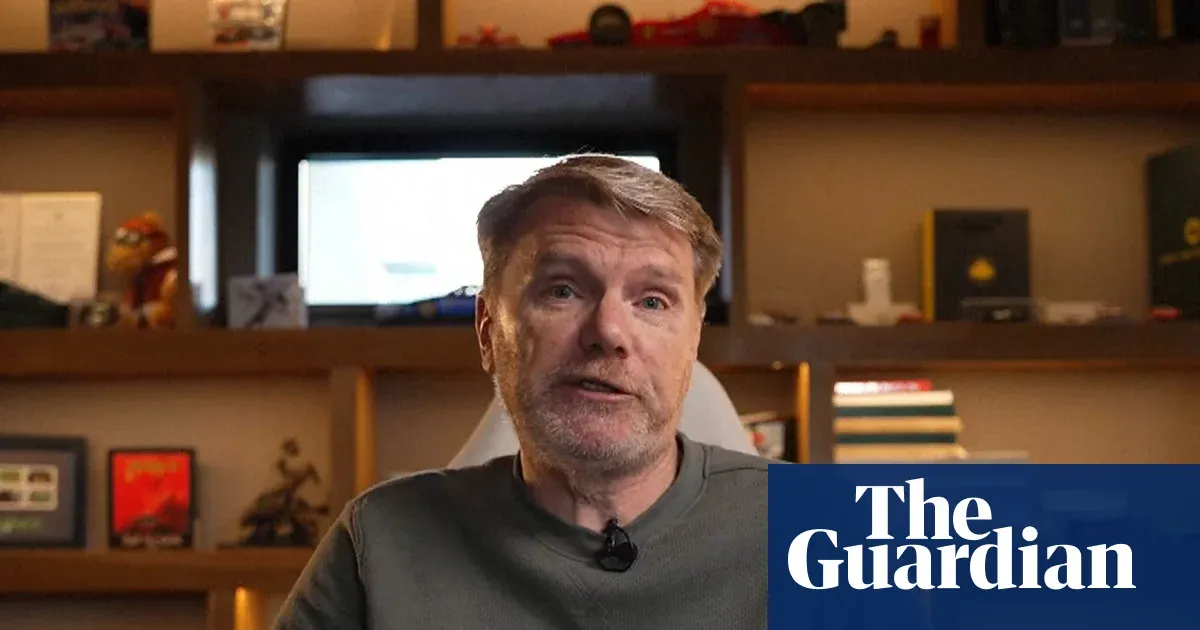
Dave Jones, co-creator of Grand Theft Auto, says players' preference for playing criminals helped shape the original game, and GTA VI has now launched back into Vice City. The launch tests whether Rockstar Games can turn one of the bestselling video games ever made into another cultural and commercial phenomenon.
Dave Jones, co-creator of Grand Theft Auto, has a simple explanation for why the franchise became a criminal sandbox: players preferred it that way. In a reflection on the series' evolution, Jones said players' preference for playing criminals helped shape the direction of the original game. The pull, as he framed it, was "More fun being chased." That line is the whole thesis. The game did not just let players break rules; it made the consequences of breaking them part of the entertainment. For a young medium still figuring out what interactivity could feel like, that was a design unlock.
Now the stakes are much bigger. Grand Theft Auto VI has launched, sending players back to Vice City and testing whether Rockstar Games can follow one of the bestselling video games ever made with another cultural and commercial phenomenon. That is the central question for the industry: can a sequel to a generational hit repeat the trick, or does the original's success make the next act impossible? Rockstar is not just shipping a game. It is trying to re-create a moment when a title escapes the console and becomes a broader cultural event.
Jones's comments matter because they explain the franchise's DNA. The original Grand Theft Auto was not built around heroism. It was built around mischief, pursuit, and the strange thrill of being the one who runs. Players' preference for playing criminals helped shape the direction of the original game, according to Jones. That feedback loop between player behavior and design choice is how the series evolved from a top-down curiosity into a blockbuster. The lesson for any entertainment business: audience desire is not a side note. It is the roadmap.
GTA VI's launch into Vice City is also a test of Rockstar's production model. The company has spent years building expectation, and the source material notes the launch is being watched as a commercial and cultural phenomenon. A review in the source describes the game's world as "gaming's most depraved world" and now also "its greatest love story." That tension, between depravity and affection, is exactly the kind of cultural duality that turns a game into a conversation. It also raises the bar for rivals. If GTA VI lands, every open-world publisher will be asked why their worlds feel smaller.
The commercial stakes are obvious but worth spelling out. Rockstar is following one of the bestselling video games ever made. That is not a normal sequel problem. It is a capital allocation problem, a marketing problem, and a talent retention problem. The launch will shape how studios think about long development cycles, how platforms think about exclusive content, and how investors value game publishers. The source also points to labor scrutiny, with a linked piece arguing: "We made GTA 6, the world's biggest video game - we should have working conditions to match." That line matters because the biggest games are made by people, and the industry's growth has repeatedly collided with questions about crunch and sustainability.
For executives outside gaming, the GTA case is a reminder that cultural products do not scale like software alone. They scale through identity. Players did not just buy a game; they bought a version of themselves that could be chased, not just chase. Jones's reflection suggests the franchise's evolution was not purely top-down. It was shaped by what players wanted to do when given a controller and a city. That is a useful lens for any consumer business: watch what users actually do, not what the strategy deck says they should do. That is a discipline that separates durable franchises from one-hit wonders.
The next phase will be measured in more than units sold. GTA VI's launch will test whether Rockstar can convert nostalgia into new relevance, whether Vice City can feel like a place people want to return to, and whether the franchise can keep its edge without losing its audience. Jones's "More fun being chased" quote is a small line with a large implication. The best interactive worlds are not the ones that let you win. They are the ones that make the chase feel worth it. For Rockstar, the chase is now on a much bigger stage.
This story's Key Insights and Take-aways are locked.
Create a free account to unlock Executive Actions for one credit.
Register to UnlockAlways free for Executives Club members. Join the Club
More in Entertainment

GTA 6 banks $3.8bn in one day, torching every launch record
One game just out-earned every video game launch and every single-day film box office haul in history, and the fallout lands on every media CEO's forecast.

GTA VI Racked Up $3.79 Billion in a Single Day, Topping Every Film Ever
A 13-year wait produced a $3.79 billion day, more than any movie has made in its entire run, and it resets the launch math for every studio, streamer, and brand chasing the same attention.

GTA 6 sells 32.5M pre-sales and $3.79B day one, torches 13-year record
Rockstar's sequel didn't just beat Grand Theft Auto V's 13-year-old benchmark; it reset what a launch can be, with 32.5 million pre-sale copies and $3.79 billion in a single day.