
Gunn Is Out at DC Studios as Skydance Hands Latcham a Fast-Track Mandate
Jeremy Latcham is in as DC Studios CEO with a reported order from David Ellison to move faster, which puts Gunn's slow-build universe and DC's comic pipeline on the clock.
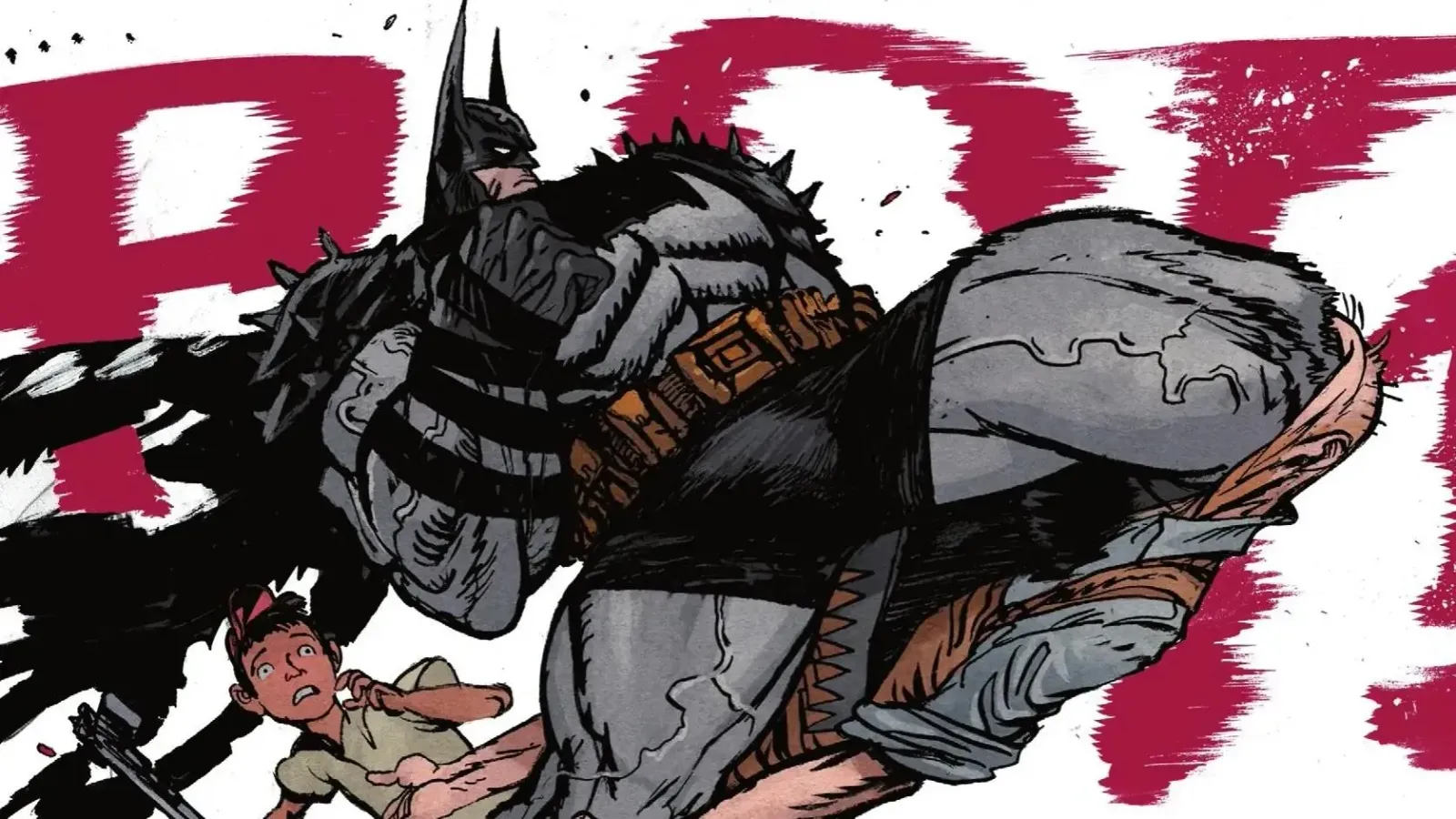
James Gunn and Peter Safran are out as co-heads of DC Studios after Skydance's acquisition of Warner Bros. Discovery, with Jeremy Latcham installed as CEO and a reported mandate from Skydance CEO David Ellison to fast-track the slate. For anyone holding franchise IP, talent deals, or studio debt, it is a live test of whether consolidation speed beats franchise patience, and which projects survive the switch.
Jeremy Latcham is the newly appointed CEO of DC Studios, and the brief he has reportedly been handed by Skydance CEO David Ellison is blunt: fast-track. The same news cycle brought the reversal. James Gunn and Peter Safran are out as co-heads of DC Studios following Skydance's acquisition of Warner Bros. Discovery, per The Verge. The cinematic universe the pair spent years assembling, anchored by last year's Superman, is now a question mark rather than a plan. Gunn's Man of Tomorrow feature might still come out. Nearly everything else about his vision is up for renegotiation.
That vision was deliberately slow, and that was the point. Gunn was taking his time fleshing out the DCU with relatively less high-profile characters, including Peacemaker, Supergirl and Clayface. Fewer mega-budget swings, more mid-tier bets, a continuity built patiently across film and television. It is unclear what becomes of the universe that was building around Superman, or whether the new CEO keeps any of its connective tissue. What is clear is that the person who wrote the blueprint no longer runs the building.
For context, Gunn and Safran were installed in 2022 to do for DC what Marvel had done for Disney: turn a scattered library of characters into a repeatable franchise machine. That is the whole game in modern media. Franchise IP is the asset class that justifies studio scale, streaming spend and adjacent consumer products, and it travels across borders without translation costs. The problem is that the machine only works if the output lands. A shared universe is a promise that the next film pays off the last one, and the moment audiences stop trusting the promise, the whole slate reprices at once.
Ellison's reported mandate makes sense against the deal math. Skydance did not take on Warner Bros. Discovery to hold DC's characters in amber. Big acquisitions typically arrive with debt, integration costs and a board that wants visible progress inside a few quarters, not a five-year creative arc. In that environment, a new CEO gets measured on volume and release dates, because those are the numbers that show up in a forecast. Fast-tracking is what speed looks like on a spreadsheet: greenlights sooner, gaps in the calendar filled, fewer years between the pitch and the popcorn.
The risk is the part Hollywood knows by heart. DC has cycled through more than one Batman, more than one Superman and more than one attempt at a shared universe in the past two decades, and each reset costs money in abandoned development, expired talent options and audience goodwill. Accelerating a slate can also compress quality control, and franchise fatigue is real: audiences who feel managed rather than entertained do not simply skip a title, they downgrade the entire brand. A rushed universe is expensive to build and more expensive to unwind.
The counter-argument sits in the framing of this very story. Absolute Batman, DC's reimagined take on its flagship characters, can save DC Studios, and the reason is structural rather than sentimental. Comics are the cheapest research and development lab in the IP business. A monthly book costs a fraction of a feature, ships on a cadence measured in weeks, and functions as a live focus group for which characters, tones and storylines earn a following. Every superhero franchise that has ever worked on screen started as a low-cost experiment on a page. The strategic question for Latcham is not whether to move fast, it is where to spend the speed: on a printing press and an animation pipeline, or on a tentpole that needs three years and a global marketing spend before it can be judged.
What to watch over the next two quarters is specific. Does Man of Tomorrow keep its release plan or quietly slip? Do Peacemaker, Supergirl and Clayface proceed as written, get folded into a new continuity, or get shelved? Who holds greenlight authority under Latcham, and does that authority sit with a creative executive or with the parent company? And how do talent deals get renegotiated now that the people who signed them are gone? Those four answers will tell you more about DC's next decade than any sizzle reel.
For executives outside Burbank, the lesson is portable. Every acquisition creates the same tension between the operator who wants a fast payoff and the creative team that needs runway, and the failure mode is almost always the same: speed applied uniformly, including to the projects that needed patience. Boards should be asking who owns creative continuity after a leadership change, how much of the slate is contractually committed, and what the write-down looks like if the strategy flips again. In franchise entertainment, the asset is not the character. It is the audience's belief that the next installment will be worth their Saturday.
This story's Key Insights and Take-aways are locked.
Create a free account to unlock Executive Actions for one credit.
Register to UnlockAlways free for Executives Club members. Join the Club
More in Entertainment

GTA 6 banks $3.8bn in one day, torching every launch record
One game just out-earned every video game launch and every single-day film box office haul in history, and the fallout lands on every media CEO's forecast.

GTA VI Racked Up $3.79 Billion in a Single Day, Topping Every Film Ever
A 13-year wait produced a $3.79 billion day, more than any movie has made in its entire run, and it resets the launch math for every studio, streamer, and brand chasing the same attention.

GTA 6 sells 32.5M pre-sales and $3.79B day one, torches 13-year record
Rockstar's sequel didn't just beat Grand Theft Auto V's 13-year-old benchmark; it reset what a launch can be, with 32.5 million pre-sale copies and $3.79 billion in a single day.