

India’s wild agave becomes “blue gold” as distillers build a new spirits industry
Agave grows wild in India, and new distillers are turning it into spirits, reshaping sourcing, regulation, and expansion bets.
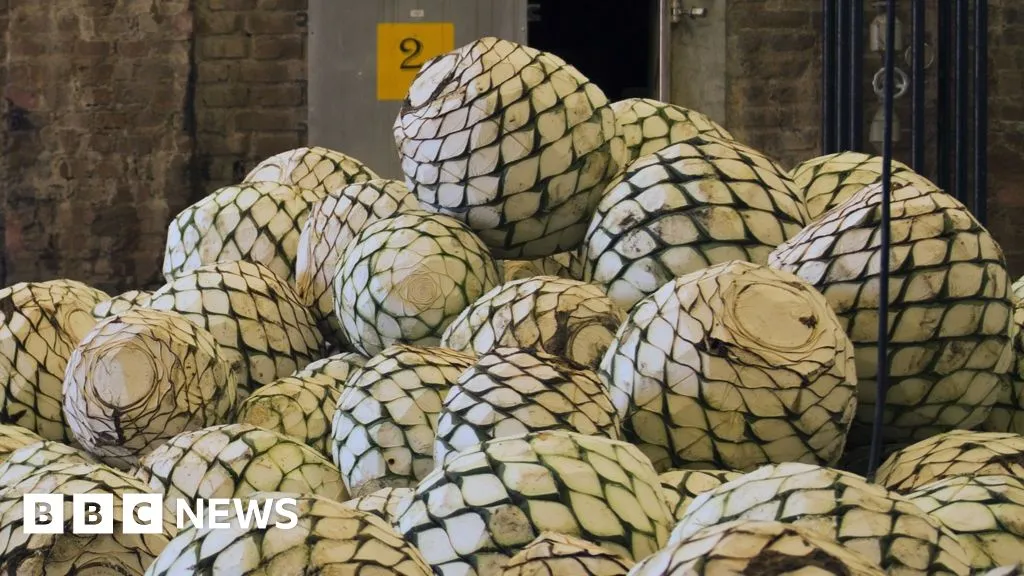
Agave plants grow wild in India, and new distillers are using them to create a spirits industry. For decision-makers, that means a fresh supply chain and product category are forming, with real implications for licensing, investment timing, and market positioning.
Agave plants grow wild in India, and new distillers are using them to create a spirits industry. That simple pivot is what makes this “blue gold” story more than a quirky food and drink headline. It is about turning an abundant, underutilized plant into a new revenue engine, building brands and production capacity around a raw material that does not require the same kind of scarcity playbook as more controlled inputs.
In other words, the opportunity sits in the soil. When a plant grows wild, the economics can look very different from crops that depend on planned acreage, negotiated farms, and tight supply calendars. Distillers can, in principle, focus more on harvesting networks, processing know-how, and distribution than on the long ramp-up that often comes with sourcing agricultural inputs. The BBC’s reporting frames this as the start of a new drinks industry, with agave as the core ingredient. The headline stake is clear: the “blue gold” label signals value, but the real question for operators and investors is how that value gets operationalized. What does the supply chain look like once producers scale? How do regulators treat a new spirits category? And what happens to competitive dynamics if multiple entrants bet on the same raw-material backbone?
To understand why this matters right now, zoom out to how spirits industries typically form. Liquor markets are not just about taste. They are about supply reliability, production licensing, excise and tax treatment, and brand building that can take years. If agave is truly abundant, it can lower some barriers to entry on the input side. But spirits are still heavily structured by rules. Licensing requirements, labeling standards, and alcohol classification rules determine what can be sold, where it can be sold, and under what tax rates. Even if agave is available, distillers still need the regulatory pathway to convert it into a product that the market recognizes and retailers can stock without headaches.
That regulatory piece is where “new industry” can either become a breakout or a bottleneck. When a product category forms, regulators and lawmakers often end up defining or re-defining categories after the market starts moving. Industry participants then race on two timelines: the commercial timeline to capture shelf space and customer awareness, and the compliance timeline to avoid costly rework, delays, or misclassification. For boards and CFOs, this is not academic. Cash flow timing is everything in early-stage production. If licensing or tax classification takes longer than expected, a distillery can run into working capital stress even while demand is developing.
There is also the strategic angle for peers. If multiple “new distillers” are pursuing agave, the industry may move toward capacity building that is synchronized by a shared input. Shared input sources can create second-order effects that look like competition, even when brands are different. For example, if harvests expand quickly, the market may see pressure around harvesting quality, processing efficiency, and logistics. That can impact yields, which then impacts margins. Board members should ask what differentiates one producer from another once the raw material is no longer the only advantage. In many agrifood-to-alcohol transitions, the winners build advantages in processing and consistency, not just in access.
Finally, there is the reputational and partnership dimension. Spirits brands often rely on trust with consumers and on legitimacy with regulators. A “new drinks industry” based on a plant that grows wild can attract attention, and attention cuts both ways. If producers can demonstrate consistent quality, safe practices, and responsible sourcing, they can accelerate adoption. If they cannot, they risk regulatory scrutiny and reputational friction that spreads faster than any marketing campaign. The BBC framing is early, but early is precisely when companies set the standards that later entrants will copy.
So, for decision-makers, the play is not only “can we make agave spirits?” It is “can we build a durable system around it?” The story is beginning with agave plants growing wild in India and distillers turning that into a spirits industry. The strategic stakes are supply chain design, regulatory navigation, and the ability to scale without sacrificing consistency. If you are leading in adjacent categories, investing in consumer alcohol, or advising boards, this is one of those moments where a new input can create a new market. The winners will treat it like infrastructure, not a novelty.
This story's Key Insights and Take-aways are locked.
Create a free account to unlock Executive Actions for one credit.
Register to UnlockAlways free for Executives Club members. Join the Club
More in Technology

OpenAI says 10,000 agents cracked a 90-year math problem in 88 hours
The company's claim is audacious, but one mathematician is pushing back. Here's what it means for AI-driven discovery.

Meta still serves child sexual abuse ads on Instagram in India - BBC report
A new report following the BBC Eye investigation says the ads are still there - what it signals for every platform with a self-serve ad engine.

White House yanks 'Build the Wall' game after Tetris Company copyright warning
The administration's arcade game vanished in hours - and the takedown playbook every brand can learn from.