
Jennifer Lawrence, Hutcherson and Harrelson Return in Hunger Games Prequel's Final Scene
The closing cameo in Sunrise on the Reaping hands the franchise a nostalgia engine at the moment it needs lapsed ticket buyers back in theaters.
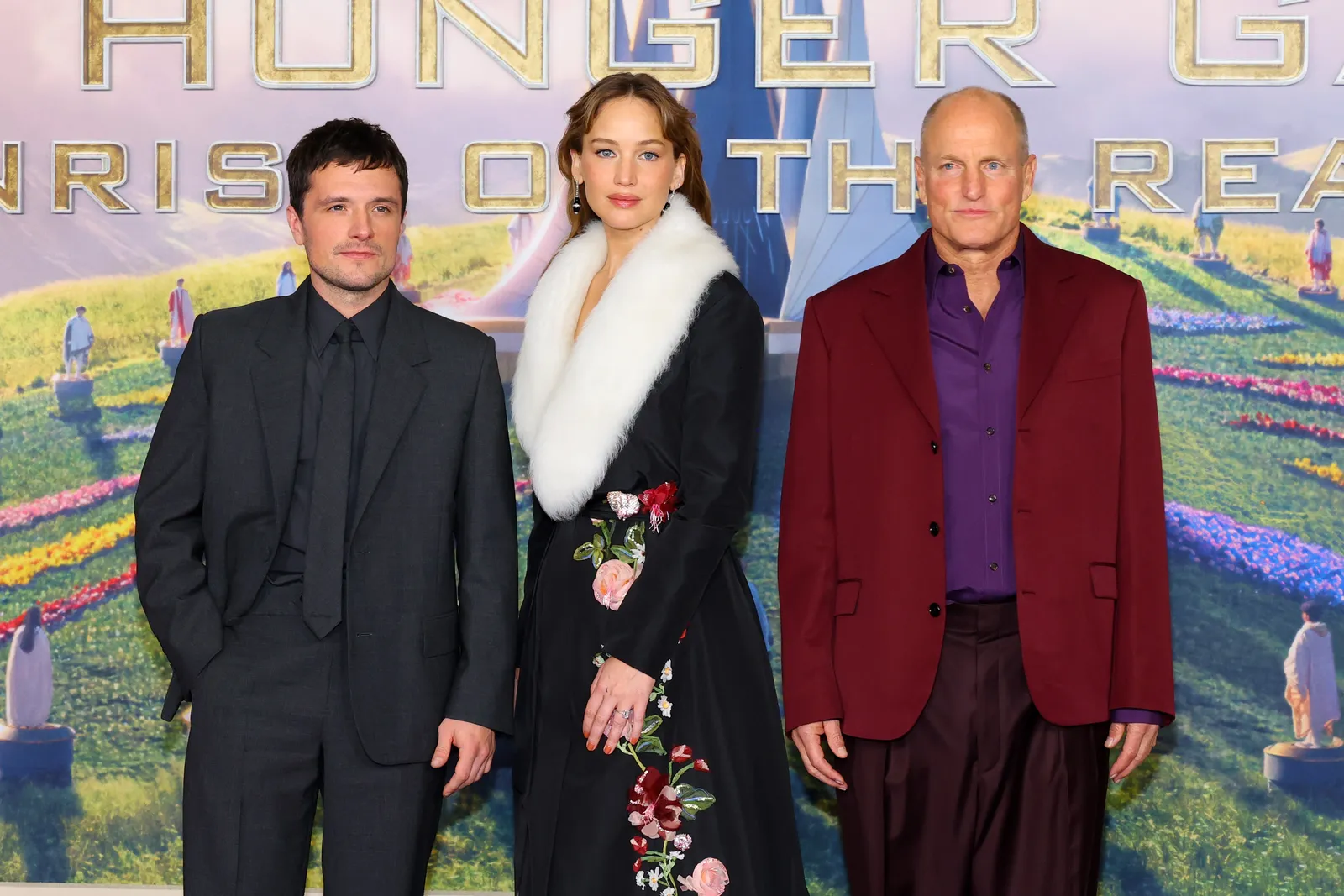
Jennifer Lawrence, Josh Hutcherson and Woody Harrelson appear in a cameo at the end of Hunger Games: Sunrise on the Reaping, the prequel now playing in theaters, Variety reported under a spoiler alert. For franchise owners and marketers, the move shows how one hidden scene can work as post-launch marketing inventory, with a conversion window measured in days rather than weeks.
Jennifer Lawrence, Josh Hutcherson and Woody Harrelson are back in Panem, and the reveal is buried at the very end of the film. The three stars of the original Hunger Games movies appear in a cameo scene at the close of Hunger Games: Sunrise on the Reaping, the prequel now playing in theaters, Variety reported under a spoiler alert. Lawrence played Katniss Everdeen, Hutcherson played Peeta Mellark and Harrelson played Haymitch Abernathy across the original films that turned Suzanne Collins' novels into a global franchise. Their return lands in the final scene, which means the movie's single biggest marketing asset was built to stay invisible until the audience was already seated.
That is the entire play, and it is a smart one. A prequel has to convince people who aged out of the original trilogy to come back, and a closing cameo is the cheapest, loudest way to do it. It also reframes the film itself. The prequel centers on a younger Haymitch, the character Harrelson originated, and it is set decades before Katniss ever volunteers. Ending on the original cast converts a standalone origin story into a bridge, and bridges are what keep franchises warm between installments.
The economics are straightforward. A cameo costs a fraction of a lead deal, it requires days rather than months of an actor's calendar, and it generates the kind of earned media a paid campaign cannot buy. Historically, studios have used these moments as a second opening weekend: the surprise gets written up, the write-ups get shared, and the people who were on the fence about seeing it in theaters suddenly have a reason to go before the ending is ruined for them. The catch is the half-life. In a spoiler economy where opening-night audiences post reactions within minutes, a hidden ending has roughly one weekend of exclusivity before it becomes common knowledge. The window to convert curiosity into ticket sales is short, and it closes fast.
For the talent, the calculus is different but just as clean. Lawrence, Hutcherson and Harrelson have all built careers well past these roles, and a cameo lets them stay attached to the biggest IP of their early careers without signing on for another multi-film commitment. Representation teams tend to like these deals because they keep a client's name in a franchise conversation at almost no cost to their schedule, and because a well-received return can reset how the industry prices that actor for the next round of offers. The flip side is typecasting risk, which is precisely why the cameo is short. Long enough to be a headline, brief enough not to be a label.
For context on why this franchise can pull it off: the Hunger Games films were a defining young-adult property of the 2010s, and the series has been revived on the page and on screen through Collins' prequel novels. That structure matters. A prequel built around a character the original cast already established gives the studio a legitimate narrative reason to bring those actors back, rather than a stunt that feels bolted on. The cameo is not fan service for its own sake; it is the payoff the prequel format was designed to deliver.
What to watch now is whether the surprise holds. The first test is whether the ending stays out of the feeds long enough for word of mouth to do its job, because a spoiler that spreads before the second weekend removes the single strongest reason to buy a ticket immediately. The second test is whether the studio treats this as a one-off or as a template. If a closing cameo reliably lifts a prequel, expect more franchises to start budgeting for a final-scene reveal the way they budget for a trailer. The third test is the talent pipeline: a successful return makes it easier to recruit original cast members for future installments, and harder to keep the next one secret.
The strategic lesson for anyone running a franchise, a brand, or a talent roster is that scarcity is the product. The value here was not the three actors' screen time. It was the fact that the audience did not know it was coming. That is a perishable asset, and it only works once per film. Studios that want to keep using it have to be disciplined about the leak, deliberate about the timing, and honest about the trade-off: the moment you promote the surprise, you have spent it.
This story's Key Insights and Take-aways are locked.
Create a free account to unlock Executive Actions for one credit.
Register to UnlockAlways free for Executives Club members. Join the Club
More in Entertainment

GTA 6 banks $3.8bn in one day, torching every launch record
One game just out-earned every video game launch and every single-day film box office haul in history, and the fallout lands on every media CEO's forecast.

GTA VI Racked Up $3.79 Billion in a Single Day, Topping Every Film Ever
A 13-year wait produced a $3.79 billion day, more than any movie has made in its entire run, and it resets the launch math for every studio, streamer, and brand chasing the same attention.

GTA 6 sells 32.5M pre-sales and $3.79B day one, torches 13-year record
Rockstar's sequel didn't just beat Grand Theft Auto V's 13-year-old benchmark; it reset what a launch can be, with 32.5 million pre-sale copies and $3.79 billion in a single day.