
Keto cut liver fat 67% in 4 months, and weight loss wasn't the reason
A controlled trial found keto cut liver fat 67% and pushed half its participants out of the prediabetes range in four to five months, even though every diet group lost about the same weight.
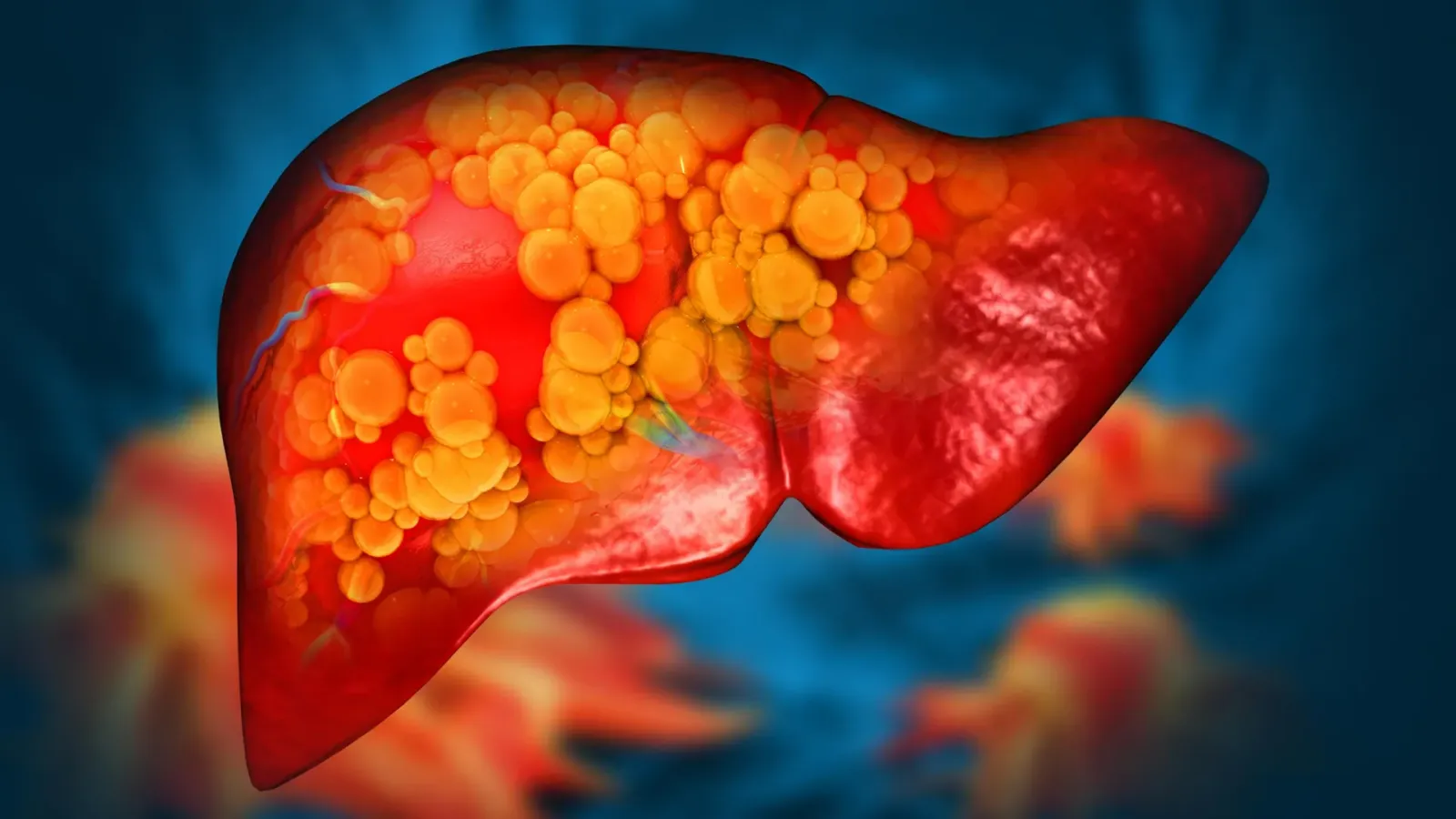
A new clinical trial found that a ketogenic diet cut liver fat by an average of 67% and moved roughly half of participants out of the prediabetes range within four to five months, beating Mediterranean and low-fat diets despite similar weight loss across all arms. For employers, payers, food companies, and clinicians, the result suggests diet composition, not just pounds lost, may be the stronger lever on metabolic disease.
A ketogenic diet cut liver fat by an average of 67% in four to five months, and roughly half of the people following it no longer met the criteria for prediabetes. That is the finding from a new clinical trial, and it gets more interesting the longer you sit with it. The keto group did not win by losing more weight. Participants on the ketogenic, Mediterranean, and low-fat arms shed similar amounts, and keto still separated from the field on liver fat and metabolic health. Same scale, different bodies.
That detail is the actual story. For years the working assumption in weight management has been that fat loss is the mechanism: get the weight off and the liver, the blood sugar, and the risk profile follow. This trial suggests the two can be decoupled. Two people can lose the same number of pounds and end up with very different livers, depending on what they ate to get there. It is a crack in the calories-in, calories-out framing, and cracks like that tend to widen. Note what the source does not say: enrollment size, funding, and how long the effect lasted are all unanswered here.
Why liver fat is the metric that matters. Fat accumulation in the liver is typically silent. It rarely announces itself with symptoms, which is why it is often discovered late, usually after it has already been tied to insulin resistance, type 2 diabetes, and elevated cardiovascular risk. For context, drug options for the most serious form of fatty liver disease were essentially nonexistent until 2024, when the FDA approved the first treatment for it. That means the standard advice for most patients has been lifestyle change, delivered vaguely, with little evidence about which change works best. This trial is a direct answer to that question.
The catch is adherence, and it is a real one. Ketogenic diets are typically the hardest of the three to sustain. Four to five months is a sprint, not a life. What this trial measures is what happens when people actually comply, not what happens when they drift back toward bread and pasta at month seven. Attrition in diet trials is historically high, and the people who stay in them are often the ones who are already succeeding. That is not a reason to dismiss a 67% reduction. It is a reason to ask what the number looks like at two years.
The prediabetes result may travel further than the liver number. Prediabetes is defined by blood glucose thresholds, and crossing back below them is a meaningful clinical event, not a cosmetic one. Progression from prediabetes to type 2 diabetes is the expensive part of the curve, the part that shows up in employer health plans, insurance premiums, and public budgets for decades. If a dietary protocol can move half of a group back under the threshold in four months, that is a different cost trajectory than a lifetime of prescriptions. It also lands in a market where GLP-1 drugs have become the default lens for metabolic health. This trial did not test against them, and nobody should read it as a head-to-head.
The mechanistic question is wide open. Is the effect ketones, the near-absence of carbohydrates, the drop in ultra-processed food, or simply the discipline of following a rigid plan? A three-arm trial can show that keto beat the alternatives. It cannot easily say why. The Mediterranean arm is the most telling control, because it is the diet clinicians most often recommend and it is backed by decades of cardiovascular evidence. Here it underperformed on this specific endpoint. That does not dethrone it. It does suggest that the best diet for your heart and the best diet for your liver may not be identical, which is an uncomfortable thought for anyone who writes guidelines.
Second-order effects are already visible on the horizon. Food and beverage companies have spent a decade reformulating around low fat, and a result like this pushes the pendulum back toward fat and protein. Employers designing benefits now have a concrete argument for covering structured nutrition programs alongside, or instead of, medication. And trial designers get a template: match weight loss across arms, then measure organ-level outcomes with imaging rather than relying on the scale. The scale, it turns out, was hiding the interesting part.
The bottom line. The 67% figure is specific, it is dramatic, and it comes from a controlled comparison rather than an observational study, which is why it deserves attention. The open question is durability. A four-month metabolic win that evaporates at twelve months is a headline. The same win sustained is a treatment protocol. Watch for longer follow-ups, replication in larger groups, and whether the effect holds when adherence is measured honestly rather than assumed.
This story's Key Insights and Take-aways are locked.
Create a free account to unlock Executive Actions for one credit.
Register to UnlockAlways free for Executives Club members. Join the Club
More in Science

Anthropic's I.P.O. Made Rank-and-File Researchers Worth Tens of Millions
Researchers who joined just a few years ago are now worth tens of millions, and the windfall resets the pay benchmark for every private A.I. lab still paying in paper.

Sea Lion Culling Strategy Fails: New Model Says Killing Them Won't Save Salmon
The latest research from AAAS overturn a long-held conservation assumption, forcing policymakers to rethink critical resource allocation in marine ecosystems.

Microplastics do more than pile up: they react with water to damage cells
Scientists have found that plastic particles can generate highly reactive molecules in water, a mechanism that could explain links to heart attacks, strokes, and neurological disorders.