
LIV Golf paid players millions while UK suppliers' bills sat overdue
A BBC Sport investigation shows the Saudi-backed tour's final payments to players and executives went out while UK trade creditors were already chasing money, and bankruptcy now buries those invoices deep in the queue.
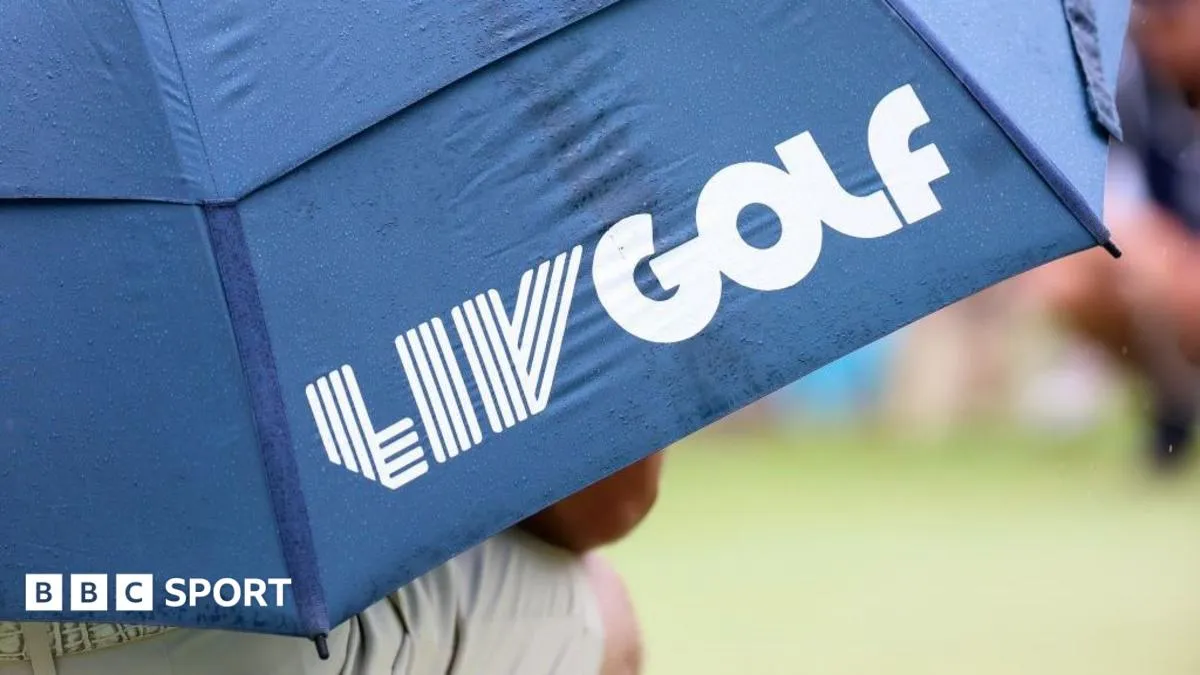
LIV Golf made its final payments to players and executives while bills owed to UK companies were already overdue, according to a BBC Sport investigation, before the Saudi-backed tour filed for bankruptcy. For executives and boards, the case is a live lesson in counterparty risk: deep-pocketed backers and famous brands offer suppliers no legal protection when the entity that signed the contract runs out of cash.
The players and executives got paid. The UK companies owed money were already past due. That is the core finding of a BBC Sport investigation into LIV Golf, the Saudi-backed tour that made its final payments to players and executives before filing for bankruptcy, even as bills to British suppliers sat unpaid and overdue. The timing is what turns a standard insolvency into a governance story. When cash gets tight, the order in which a business pays tells you what it believes it can afford to keep waiting. Per the investigation, the players and the executives were not the ones kept waiting.
The word doing the heavy lifting is "already". This is not a case of a company collapsing so fast that nobody saw the wall coming and a handful of invoices got caught in the wreckage. According to the BBC's reporting, the UK bills were overdue before the final payments went out to players and executives. That points to a decision rather than an accident: prioritise the people whose contracts and public profiles matter most, and let the suppliers sit in the queue. Bankruptcy then did the rest of the work, converting late invoices into claims against an estate that is unlikely to pay them in full.
Some context on how LIV got here. The tour launched in 2021 as a Saudi-backed challenger to the established professional golf order, built on guaranteed money, no-cut fields and team formats designed to pull star names away from the incumbents. That model is expensive by design. A challenger league typically has to buy credibility with signing bonuses and purses long before it earns meaningful media rights and sponsorship revenue, and it often has to keep buying it for years. The funding behind LIV has been sovereign, which historically has meant deep pockets and a long time horizon. Deep pockets at the top of a group, however, are not the same thing as cash in the operating entity that owes your invoice.
For the UK companies involved, the mechanics now matter more than the morality. In a UK insolvency, secured lenders and preferential creditors, which typically include employees owed wages, rank ahead of ordinary trade creditors. Unsecured suppliers, the printers, caterers, event contractors, travel firms and logistics operators that keep a touring operation moving, usually sit near the back of the line and often recover a fraction of what they are owed, or nothing at all. Pursuing a cross-border claim against a foreign estate is expensive, slow and rarely worth it for a five-figure invoice. Most of these suppliers will simply write it off.
That is the second-order lesson, and it travels well beyond golf. Suppliers typically contract with a local operating company, not with the sovereign fund or the parent that ultimately bankrolls the brand. When the operating company fails, the claim fails with it. The prestige of the logo, the size of the backer and the calibre of the talent on the roster offer no legal protection on the invoice. Credit teams that extend generous terms because a client "has Saudi money behind it" are underwriting the wrong balance sheet.
Saudi investment in global sport has drawn political and regulatory attention for years, and a bankruptcy adds an uncomfortable data point to that debate: where the money went, and who was left holding the paper. For the wider sports and entertainment economy, the LIV case is a reminder that capital-intensive breakaway ventures can be simultaneously lavish with talent and delinquent with vendors. Those two facts are not contradictory. They are the same fact.
For CEOs, CFOs and boards, the practical takeaways are unglamorous and urgent. Map your exposure to any counterparty whose business model depends on sustained subsidy, and ask which legal entity actually signs your contract. Tighten payment terms, demand deposits or milestone payments on large engagements, and set a hard rule for how much overdue receivable you will tolerate before you stop delivering. Watch insolvency filings and creditor lists; they are the earliest public signal of who is getting paid and who is not. And when a client's spending looks disconnected from its revenue, treat that as a risk flag rather than a sales opportunity.
What happens next is mostly administrative and mostly quiet. The bankruptcy process will determine what, if anything, unsecured creditors recover, and whether the UK companies named in the BBC's investigation appear among the claims. The bigger question is reputational. A tour that sold itself on being bigger and better funded than the establishment has left small British businesses chasing money it already owed. In sport, as in any industry, that is a story players remember, sponsors read, and suppliers price into the next contract.
This story's Key Insights and Take-aways are locked.
Create a free account to unlock Executive Actions for one credit.
Register to UnlockAlways free for Executives Club members. Join the Club
More in Entertainment
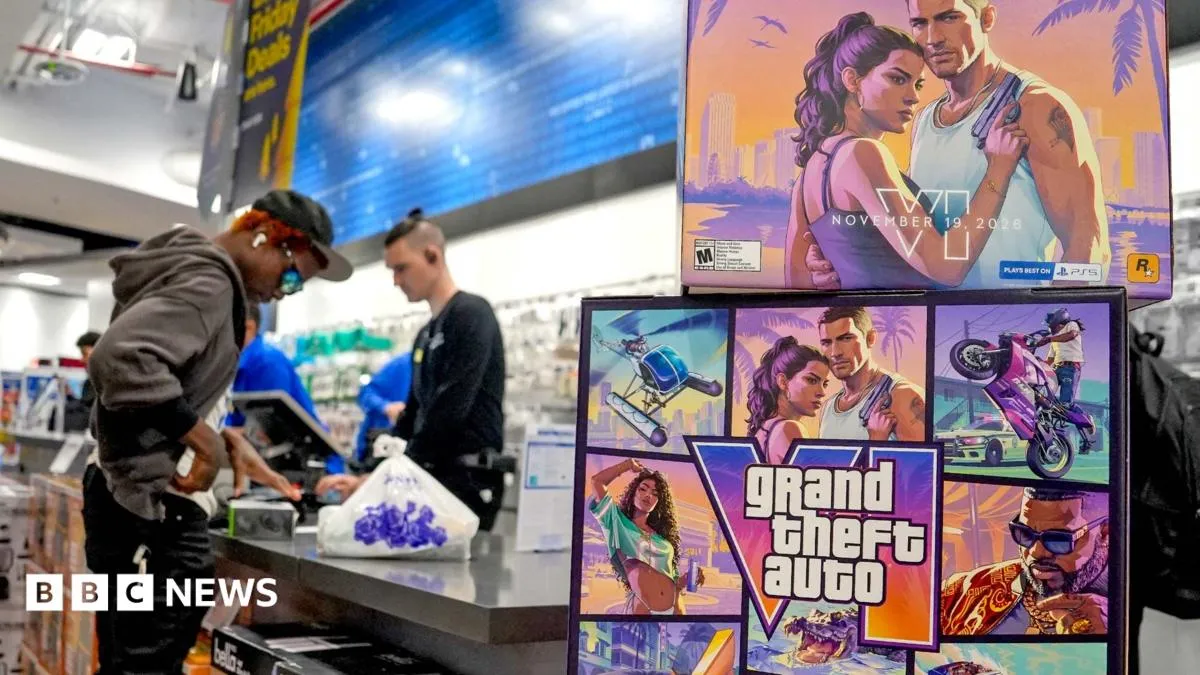
GTA 6 banks $3.8bn in one day, torching every launch record
One game just out-earned every video game launch and every single-day film box office haul in history, and the fallout lands on every media CEO's forecast.

GTA VI Racked Up $3.79 Billion in a Single Day, Topping Every Film Ever
A 13-year wait produced a $3.79 billion day, more than any movie has made in its entire run, and it resets the launch math for every studio, streamer, and brand chasing the same attention.

GTA 6 sells 32.5M pre-sales and $3.79B day one, torches 13-year record
Rockstar's sequel didn't just beat Grand Theft Auto V's 13-year-old benchmark; it reset what a launch can be, with 32.5 million pre-sale copies and $3.79 billion in a single day.