
Macaulay Culkin Pitched Disney Himself on a Home Alone Return, 34 Years Later
Rogen and Goldberg's Point Grey is producing, and the early pitch has Kevin as a dad. Here is what Disney gains if it works, and what it risks if the tone misses.
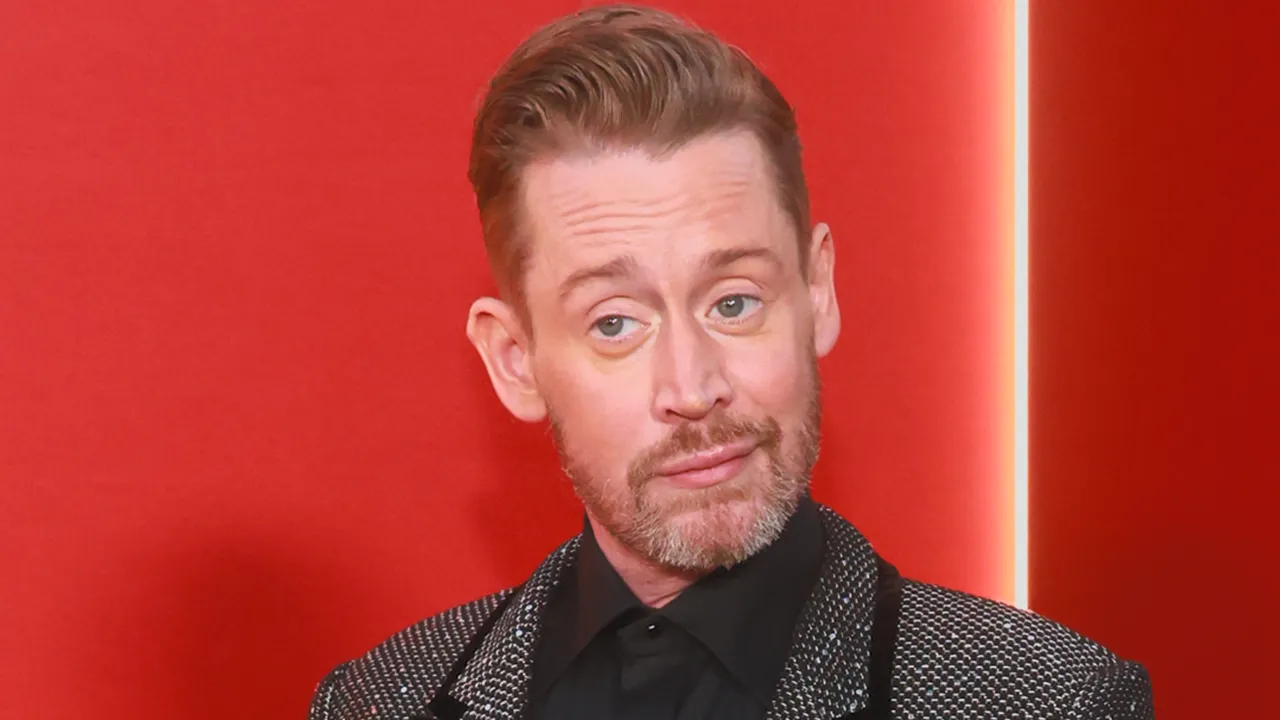
Macaulay Culkin has reportedly signed on to return as Kevin McCallister in a new Home Alone sequel in early development at Disney, an idea he pitched himself to Disney Motion Pictures boss David Greenbaum over the summer, with Seth Rogen and Evan Goldberg producing via Point Grey. For media executives, the deal is a case study in who actually holds the leverage in legacy IP: the star who originated the character, not the studio that owns the title.
Macaulay Culkin is coming back as Kevin McCallister, and this time he did not wait for the phone to ring. The actor reportedly pitched the idea himself to Disney Motion Pictures boss David Greenbaum over the summer, and has now signed on to return to the franchise that made him a star, per reporting first from Puck and corroborated by Deadline. The project sits in early development at Disney, which means no locked script, no release date, and no guarantee it happens at all. But two facts are already on the table: Culkin wants in, and he brought the idea rather than answering a call about it.
Disney is not making this one alone. Evan Goldberg and Seth Rogen, the collaborators behind The Studio and This Is the End, have signed on through their Point Grey banner to produce the follow-up, and they will help Culkin hammer out the plot. One early concept would bring Kevin back as an older, wiser version of the character who also happens to be a dad. Whether that means forgetting his own children at home or squaring off with burglars yet again remains unresolved, and it is unclear how much of Culkin's original pitch survives into the final picture. That is normal for early development. It is also the entire bet.
Run the franchise math and the logic gets loud. This would be Culkin's third turn as Kevin and the seventh Home Alone entry overall, arriving 34 years after he last officially played the abandoned McCallister kid. The sequels since have been uneven. The most recent, Home Sweet Home Alone, went straight to Disney+ in 2021 with Archie Yates, Ellie Kemper, and Rob Delaney, and IGN gave it a 6/10, calling it a film that "contains wit and heart, if not also clumsy messaging and some tonal misfiring." Original director Chris Columbus has reportedly not been a fan of those later installments. Translation: the brand has been coasting, and the one asset that reliably restarts the engine is the original star.
That is the real story for anyone who owns a legacy property. In media, the cheapest growth is usually the thing you already own, and Disney has spent years mining its back catalog for reboots, live-action remakes, and streaming exclusives. The catch is that audiences do not buy titles, they buy feelings, and the feeling attached to Home Alone is inseparable from Culkin's performance. The pitch reportedly envisions Kevin back on the big screen, which matters: a theatrical release carries a different revenue model, a different marketing budget, and a different bar for success than a Disney+ drop. The last entry skipped theaters entirely. This one, if it happens, would not.
Culkin's role as originator changes the shape of the deal. When a star is also the source of the idea, they typically carry more creative weight than an actor hired to fill a role, and that leverage tends to show up in casting, tone, and how closely the final film tracks the original pitch. Disney gets something valuable in return: a genuine news hook. "Sequel to a franchise you remember" is a weak pitch. "The original kid came back and wrote his own comeback" is a story, and stories are what sell tickets and subscriptions. The open question is whether Culkin's version of a grown-up Kevin is the one Disney actually wants to make.
The risks are not small. Goldberg and Rogen built their reputations on R-rated comedy, and Home Alone is a family Christmas property with a very specific register: slapstick, sentiment, and a kid outsmarting adults. Get the tone wrong and you get exactly what IGN flagged in the 2021 entry, clumsy messaging and tonal misfiring, except with a much bigger spotlight. There is also the nostalgia trap. Fans have asked for Culkin's return for decades, which means expectations are already at a level no early-development project can meet on announcement alone. And the franchise has now produced more misses than hits, so the brand itself no longer guarantees goodwill.
What to watch from here is straightforward. First, format: theatrical or streaming, because that decision shapes everything downstream. Second, whether Culkin's pitch survives contact with development, since early ideas routinely get rewritten. Third, how Goldberg and Rogen balance their comedic instincts against a family audience. Fourth, timing, because a Christmas franchise has a narrow annual window and a long production runway. None of that is settled, and the project could stall the way most early-development projects do. But the signal is already clear: Disney is willing to spend on the one piece of Home Alone that audiences never stopped asking about.
For executives sitting on dormant IP, the lesson is uncomfortable and useful. Nostalgia is not a strategy on its own, and a recognizable logo is not a substitute for the person who made it recognizable. The most valuable asset in a legacy franchise is often a human being who has been walking around for decades with the character attached to their name, and that person usually knows it. Culkin reportedly walked into Disney with an idea instead of waiting for an offer. That is the move. Own the thing you are the reason for, and make the buyer come to your version of it.
This story's Key Insights and Take-aways are locked.
Create a free account to unlock Executive Actions for one credit.
Register to UnlockAlways free for Executives Club members. Join the Club
More in Entertainment

GTA 6 banks $3.8bn in one day, torching every launch record
One game just out-earned every video game launch and every single-day film box office haul in history, and the fallout lands on every media CEO's forecast.

GTA VI Racked Up $3.79 Billion in a Single Day, Topping Every Film Ever
A 13-year wait produced a $3.79 billion day, more than any movie has made in its entire run, and it resets the launch math for every studio, streamer, and brand chasing the same attention.

GTA 6 sells 32.5M pre-sales and $3.79B day one, torches 13-year record
Rockstar's sequel didn't just beat Grand Theft Auto V's 13-year-old benchmark; it reset what a launch can be, with 32.5 million pre-sale copies and $3.79 billion in a single day.