
Macaulay Culkin Reportedly Returns to Home Alone, Seth Rogen Producing
Disney is reportedly developing a new Home Alone starring Macaulay Culkin, with Seth Rogen and Evan Goldberg producing, a bet that the original star is worth more than the brand.
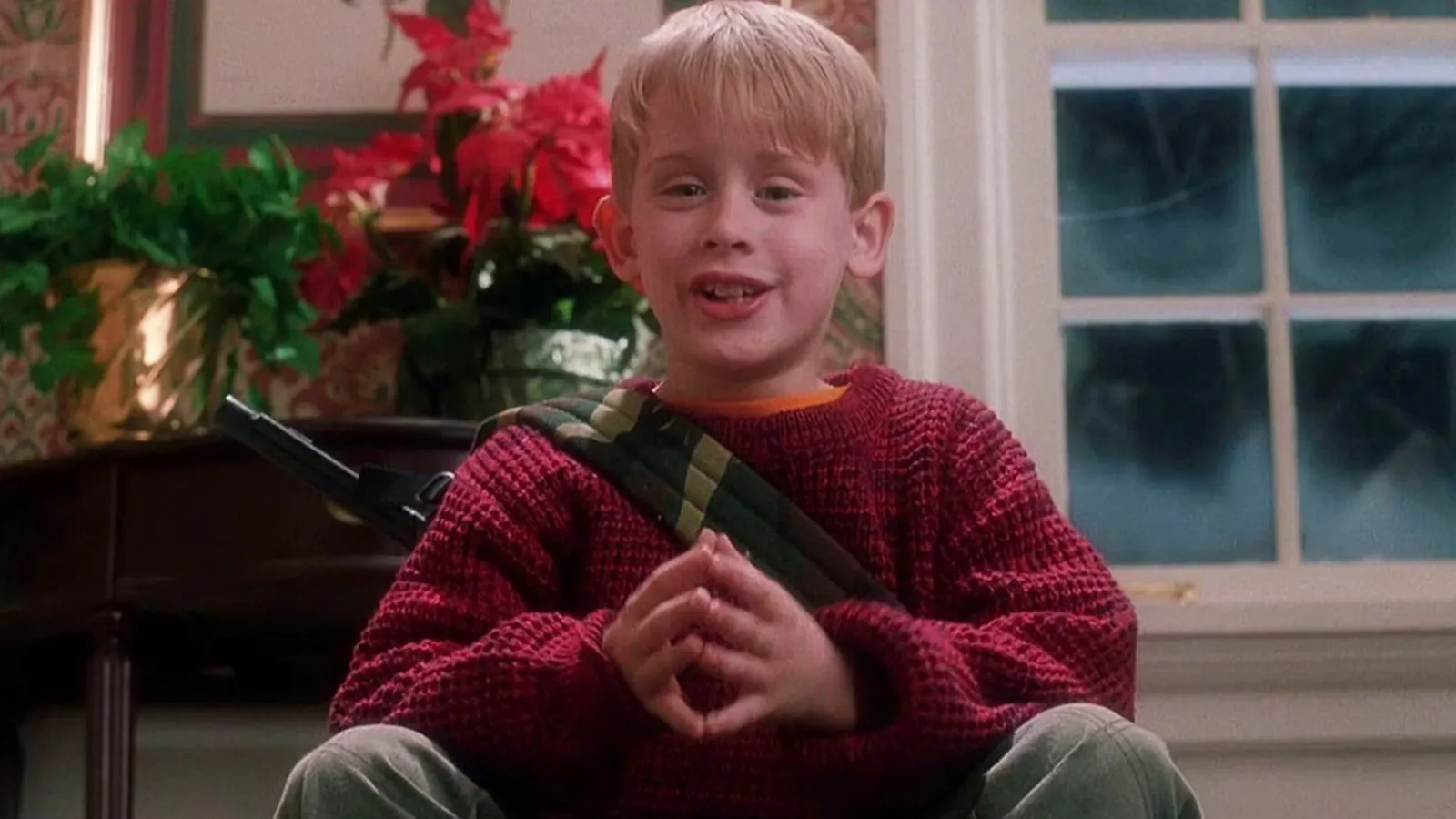
Disney is reportedly developing a new Home Alone film starring Macaulay Culkin, more than three decades after the originals, with Seth Rogen and Evan Goldberg producing. For media executives, it is a live test of whether owned IP plus its original star is still the cheapest way to de-risk a franchise.
Macaulay Culkin is reportedly heading back to the house. A new Home Alone movie is in development at Disney with Culkin attached to star, more than three decades after he played Kevin McCallister in the 1990 original and its 1992 sequel, and Seth Rogen and Evan Goldberg are producing, according to Polygon. The report stresses the project is in development, which in Hollywood means deals can still stall, scripts can still be rewritten, and nothing is real until it is greenlit. But the direction of travel is clear: Disney wants its most valuable Christmas asset back on the board, and it wants the original kid to carry it.
The detail that makes this more than a nostalgia headline is the framing that Culkin is returning to the franchise and not just for a McDonald's commercial this time. He has spent years carefully, and profitably, trading on Kevin McCallister without ever actually returning to the role. A commercial is a one-off paycheck and a wink. A feature is a commitment: it resets the character, reopens a franchise, and puts a man in his mid-forties at the center of a property built on him being eight years old.
Home Alone was never a modest hit. Released in 1990 on a production budget of roughly $18 million, it grossed roughly $476 million worldwide, a return that made it one of the most profitable films of its era and turned a kid, a tarantula, and a pair of burglars into durable intellectual property. The sequel, Home Alone 2: Lost in New York, added roughly $359 million more in 1992. For context, Disney owned none of that until 2019, when its $71.3 billion acquisition of most of 21st Century Fox closed and handed it the Fox film library, Home Alone included. That deal is why this story is a Disney story at all.
Disney has already tested the franchise once without Culkin. Home Sweet Home Alone, a reboot starring Archie Yates, landed on Disney+ in November 2021 and was largely panned, a reminder that the brand alone is not the asset. The asset is the specific memory: the booby-trapped house, the John Williams score, and the kid. That is why the reported new version goes back to the source rather than around it. It also explains the timing. A streaming reboot proved the title still gets attention; it did not prove the title still gets affection.
Rogen and Goldberg bring something the 2021 attempt lacked: a comedy brand with a current pulse. The pair run Point Grey Pictures, and they have spent two decades writing and producing comedies before moving into animated hits and television like The Boys and Teenage Mutant Ninja Turtles: Mutant Mayhem. Their involvement signals a tonal bet, most likely a knowing, slightly meta take rather than a straight re-creation. That is also the risk. Home Alone works because it is sincere. A wink-heavy version can collapse into parody, and parody does not sell repeat holiday viewings.
Zoom out and this is a story about how Hollywood finances itself. Original mid-budget comedies have largely migrated to streaming, where success is measured in engagement rather than box office, and studios have leaned hard on libraries they already own. A Home Alone with Culkin is close to a perfect instrument for that logic: recognizable enough to market globally in a single image, cheap relative to a superhero tentpole, and tied to a holiday window that repeats every single year. For Disney, which has spent years steering its streaming business toward profitability, a franchise film that can also feed Disney+ is a two-way bet.
The caveats matter. The project is reported, not announced, and no studio has confirmed it. Culkin's Kevin is now an adult, which means the premise has to be rebuilt from scratch rather than replayed. The franchise's last theatrical entry, Home Alone 3 in 1997, went out without him and without much of the original creative team, and the direct-to-video installments that followed are remembered mostly as cautionary tales. There is also a real ceiling on nostalgia: audiences reward it when it feels like a reunion and punish it when it feels like an extraction. The difference is usually the script, and no producer credit has ever fixed one.
For executives watching, the transferable part is the playbook. Owned IP plus an original star plus a producer with a current audience is the cheapest de-risked package in entertainment right now, and the same math is being applied across music, games, and consumer brands. The question every board should ask is not whether nostalgia sells. It does. It is whether the specific asset you own has a star who can still carry it, and whether you are willing to pay that person rather than cast a cheaper imitation. Disney, reportedly, has decided it is.
This story's Key Insights and Take-aways are locked.
Create a free account to unlock Executive Actions for one credit.
Register to UnlockAlways free for Executives Club members. Join the Club
More in Entertainment

GTA 6 banks $3.8bn in one day, torching every launch record
One game just out-earned every video game launch and every single-day film box office haul in history, and the fallout lands on every media CEO's forecast.

GTA VI Racked Up $3.79 Billion in a Single Day, Topping Every Film Ever
A 13-year wait produced a $3.79 billion day, more than any movie has made in its entire run, and it resets the launch math for every studio, streamer, and brand chasing the same attention.

GTA 6 sells 32.5M pre-sales and $3.79B day one, torches 13-year record
Rockstar's sequel didn't just beat Grand Theft Auto V's 13-year-old benchmark; it reset what a launch can be, with 32.5 million pre-sale copies and $3.79 billion in a single day.