
Macaulay Culkin Returns to Home Alone, With Rogen and Goldberg Writing the Sequel
Culkin's first Kevin McAllister appearance since 1992 turns a dormant holiday franchise into a live test of what nostalgia IP is worth today.
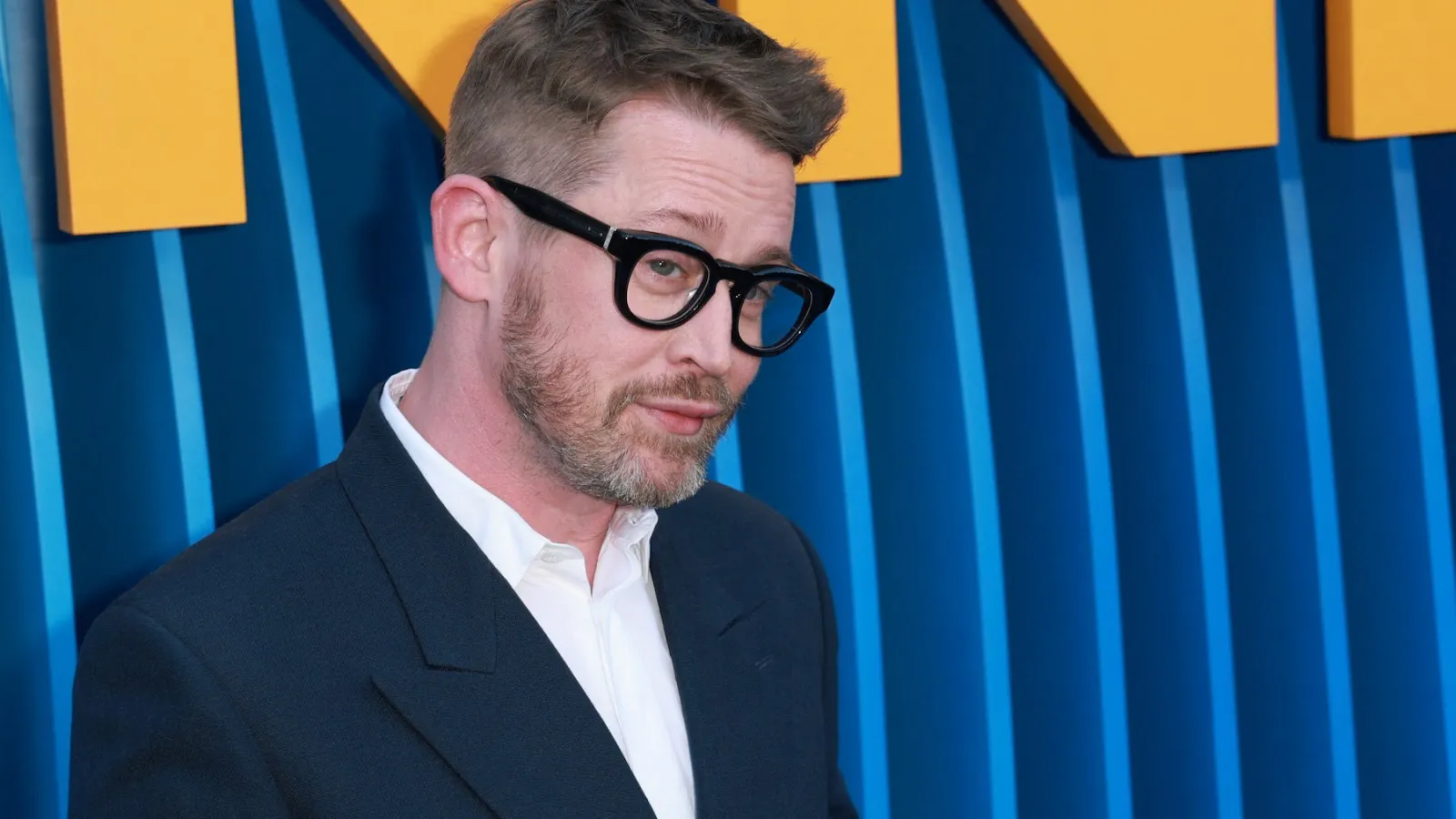
Macaulay Culkin is reportedly set to reprise Kevin McAllister in a new Home Alone film, with Seth Rogen and Evan Goldberg reportedly co-writing, his first return to the role since 1992's Home Alone 2: Lost in New York. For decision-makers across film, streaming, and brand marketing, the project is a live test of whether a dormant franchise plus its original star still beats an original idea in the fight for holiday attention.
Kevin McAllister is coming home. Macaulay Culkin, who played the resourceful kid left behind in 1990's Home Alone and its 1992 sequel Home Alone 2: Lost in New York, is set to reprise the role for the first time since that second film, according to Rolling Stone. Seth Rogen and Evan Goldberg, the writing and producing duo behind a long run of studio comedies, are reportedly co-writing the new movie. No studio has confirmed the project, and there is no release date, director, or deal terms attached to the report. The headline alone explains why the town is paying attention: one of the defining child performances of the 1990s has sat unused for more than three decades, and someone has finally picked up the phone.
The specific that matters is the gap. Culkin has not played Kevin McAllister since Home Alone 2 arrived in 1992. The franchise did not wait for him. It continued with new casts and new kids, most notably 1997's Home Alone 3 and later made-for-television installments, which is why the property stayed recognizable even as its original star disappeared from it. This is not a reboot of a role that was recently vacated; it is the return of the original. That distinction is the entire commercial premise. Audiences rarely buy tickets to a title. They buy tickets to a feeling they remember having, and only one actor can deliver this particular feeling.
For context on why a comedy this old still generates noise: the original Home Alone became a holiday institution, a movie that returns every December on television and, more recently, on streaming, where catalog titles cost almost nothing to promote and earn on repeat viewing. That annual rewatch is the asset. A library title that spikes every December is worth more to a studio than a mid-tier original that spikes once, and reviving it with its original star is one way to convert a reliable yearly dividend into a fresh event. Nostalgia is not a genre here. It is a balance sheet item.
Rogen and Goldberg bring their own logic to the pairing. The two have written and produced together for years through their long-running banner, Point Grey, and their instinct is to find the joke inside the sincerity rather than to flatten it. That is roughly the tone a Home Alone sequel would need to survive an audience that has aged three decades and now watches the original with a mix of affection and irony. Their involvement signals the project is being built as a comedy with a point of view, not a reverent museum piece.
Culkin's side of the equation is the more interesting one. He became one of the most recognizable faces on the planet before he was a teenager, and for years afterward his fame outpaced his filmography. He has worked steadily again in recent years across film and television, and the reception has been warmer than at any point since the early 1990s. Returning to the role that made him is a different kind of bet than taking another supporting part. It puts the most scrutinized chapter of his career back on the marquee, which is exactly why it is newsworthy.
Hollywood's appetite for the legacy sequel is not subtle. Studios have spent the past decade reviving dormant franchises and bringing back original stars, from Top Gun to Ghostbusters to Beetlejuice, on the theory that a familiar title plus a familiar face lowers the cost of getting someone off the couch. The results are uneven, and the failures are expensive. What separates the hits is usually not the budget but whether the returning star has an actual reason to be there. A Home Alone sequel built around an adult Kevin has to answer a question the original never had to ask: what does this character want now?
The strategic stakes stretch past the box office. A property with a built-in December moment typically pulls in retail tie-ins, holiday advertising, theme park and live entertainment interest, and a measurable bump to the back catalog. For a studio, that combination is close to the ideal shape of risk: a known title, a known calendar slot, and a marketing hook that writes itself. For everyone else in the business of attention, from streamers to consumer brands, the lesson is that the cheapest audience is the one you already had.
What to watch now is what the report does not say. Rolling Stone describes the film as in the works, with Rogen and Goldberg reportedly co-writing; there is no confirmed studio, no director, no release window, and no indication of how large Culkin's role would be. Any of those details could move the story from novelty to genuine event. Until a studio confirms it, the correct posture is interested, not invested. The one thing already settled is that a 1990s franchise just proved it can still generate headlines without spending a dollar.
This story's Key Insights and Take-aways are locked.
Create a free account to unlock Executive Actions for one credit.
Register to UnlockAlways free for Executives Club members. Join the Club
More in Entertainment

GTA 6 banks $3.8bn in one day, torching every launch record
One game just out-earned every video game launch and every single-day film box office haul in history, and the fallout lands on every media CEO's forecast.

GTA VI Racked Up $3.79 Billion in a Single Day, Topping Every Film Ever
A 13-year wait produced a $3.79 billion day, more than any movie has made in its entire run, and it resets the launch math for every studio, streamer, and brand chasing the same attention.

GTA 6 sells 32.5M pre-sales and $3.79B day one, torches 13-year record
Rockstar's sequel didn't just beat Grand Theft Auto V's 13-year-old benchmark; it reset what a launch can be, with 32.5 million pre-sale copies and $3.79 billion in a single day.