
Major Review Confirms Turmeric Supplements Offer Little Benefit for Knee Osteoarthritis
The latest analysis of 370+ patients shows the popular anti-inflammatory compound offers less relief than a placebo.
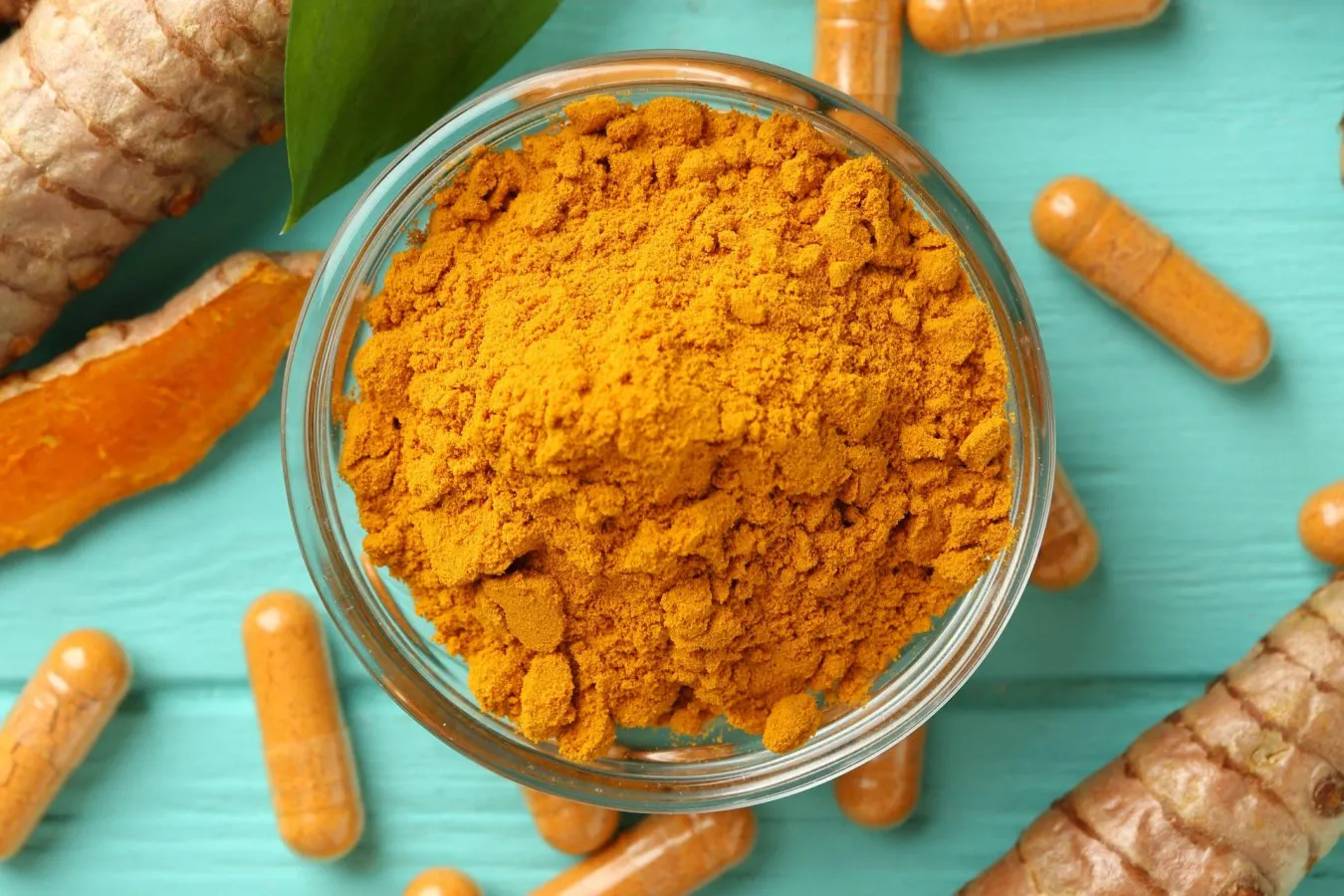
Researchers Ivan Shirinsky and Philip Conaghan conducted a rigorous review of four randomized controlled trials regarding turmeric supplements for knee osteoarthritis. This evidence suggests that the popular anti-inflammatory compound is unlikely to provide meaningful relief, advising consumers to reconsider their investment.
The hype surrounding turmeric as a miracle cure for chronic joint pain is running into a hard wall of clinical evidence. A comprehensive review of four randomized controlled trials has concluded that turmeric supplements offer little to no meaningful effect on the pain and mobility problems associated with knee osteoarthritis. This assessment, which analyzed data from over 370 participants, suggests that for many sufferers, the supplement is no more effective than a placebo.
This isn't just a minor finding; it represents a significant data point for the multi-billion dollar market of natural health supplements. Osteoarthritis, a condition affecting more than 500 million people globally, is characterized by the damage to cartilage that cushions the ends of bones, leading to pain, stiffness, and inflammation. While standard treatments like painkillers and anti-inflammatory drugs exist, many patients report seeing little or no benefit from alternative therapies. The latest research, led by Ivan Shirinsky and his colleagues at the Research Institute of Internal and Preventive Medicine in Novosibirsk, Russia, looked closely at the most rigorous evidence available to see if the popular anti-inflammatory compound, curcumin, could deliver on its promises.
Curcumin, the compound responsible for turmeric's vibrant yellow color, has long been touted as a powerful anti-inflammatory agent. However, Shirinsky and his team found that the claims often made about turmeric's efficacy are frequently based on prior, flawed studies. In their analysis, participants were randomly assigned to take either a supplement containing turmeric extract or placebo pills two or three times per day, for periods ranging from eight weeks to three months. The trials utilized slightly different supplements, each containing a varying curcumin dose, which introduced a layer of complexity to the data.
When the results were tallied, the difference between the two groups was statistically small but clinically underwhelming. Among those who took the placebo, knee pain decreased by an average of 1.6 points on a 0 to 10 pain scale by the end of the study. Those who took the turmeric supplements experienced an average 2.3-point decrease in pain. Crucially, Shirinsky noted that this difference of 0.7 points was only half the magnitude required to be considered meaningful to patients based on previous clinical benchmarks. Furthermore, surveys conducted within the trials revealed that the supplements had no meaningful impact on participants' quality of life or their ability to perform essential daily activities, such as walking, climbing stairs, or getting up from a chair.
This lack of impact on daily function is a critical finding for both consumers and the supplement industry. Philip Conaghan, a specialist at the University of Leeds, UK, offered a nuanced perspective. He cautioned that while the evidence suggests the supplement is not going to help, he would never force a patient to stop taking it if they feel it is providing them with any benefit. However, he did advise that, based on the current data, consumers should save their money. This advice highlights the tension between anecdotal patient experience and rigorous scientific validation.
Beyond the immediate pain relief, the research pointed to several structural limitations in the current body of knowledge. Shirinsky emphasized that the evidence is not definitive because all included studies used different formulations of turmeric, which inherently reduces the certainty of the overall conclusion. Perhaps more fundamentally, the science of absorption presents a major hurdle. Curcumin is notoriously difficult for the human body to absorb into the bloodstream after ingestion. This poor bioavailability means it is highly unlikely that the compound is reaching the joints in sufficient concentration to exert a therapeutic effect, regardless of the dose taken. This biological reality is a key factor in why the clinical trials failed to show a significant difference from placebo.
While the current findings are definitive about the lack of strong evidence for efficacy, they do not provide a complete picture. The research also noted that the evidence was insufficient to draw conclusions about potential side effects. It is important to remember that curcumin supplements have previously been linked to liver problems in some individuals. Therefore, while the supplement may not be helping with pain, it is not without risk, which adds another layer of caution to the market narrative. While further randomized controlled trials using a standardized curcumin supplement could address these limitations, Conaghan suggested that there are not enough clues in the existing research to justify the massive investment required for such studies.
This story's Key Insights and Take-aways are locked.
Create a free account to unlock Executive Actions for one credit.
Register to UnlockAlways free for Executives Club members. Join the Club
More in Science

Anthropic's I.P.O. Made Rank-and-File Researchers Worth Tens of Millions
Researchers who joined just a few years ago are now worth tens of millions, and the windfall resets the pay benchmark for every private A.I. lab still paying in paper.

Sea Lion Culling Strategy Fails: New Model Says Killing Them Won't Save Salmon
The latest research from AAAS overturn a long-held conservation assumption, forcing policymakers to rethink critical resource allocation in marine ecosystems.

Microplastics do more than pile up: they react with water to damage cells
Scientists have found that plastic particles can generate highly reactive molecules in water, a mechanism that could explain links to heart attacks, strokes, and neurological disorders.