
Man Utd borrowed £10m three days after confirming Pochettino. Manager bill: nearly £100m
The £7.5m buyout paid to US Soccer is only the newest line on a manager-churn tab nearing £100m, and United went to the debt market three days after the hire was confirmed.
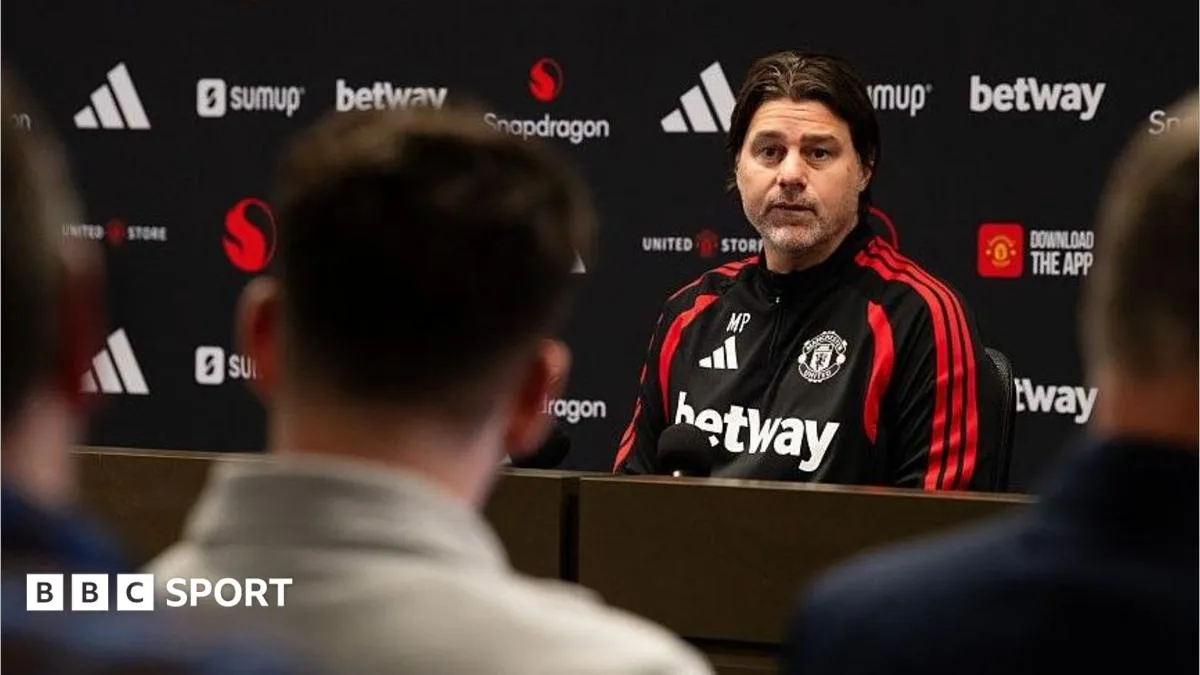
Manchester United borrowed £10m three days after confirming Mauricio Pochettino as its new head coach, a hire that costs £7.5m in compensation to US Soccer and pushes the club's cumulative spending on hiring and firing managers toward £100m. For boards, it is a live case study in how leadership turnover becomes a financing event, not just a sporting one.
Manchester United borrowed £10m three days after confirming Mauricio Pochettino as its new head coach, and that appointment carries a £7.5m compensation payment to US Soccer. Add it up and the cost of United hiring and firing managers is now nearing £100m. That is the figure worth pausing on. Not a wage bill, not a transfer fee, but a near nine-figure running tab for the simple act of changing who sits in the dugout. The two numbers in this story, £10m borrowed and £7.5m owed, are small on their own. Stacked on years of turnover, they tell you what instability actually costs.
The £7.5m is not a salary. Compensation of this kind is the price a new employer pays the organisation that already holds a coach's contract, and here that organisation is US Soccer, the governing body for the sport in the United States. Pochettino's deal sat with the federation; United paid to end it so he could move. For a national governing body, £7.5m is serious money. Federations typically run on budgets far smaller than those of elite European clubs, so a single buyout can underwrite a meaningful slice of a national team programme, from youth pathways to travel and staffing.
Then there is the £100m. That is the aggregate bill for United's managerial churn, the accumulated cost of recruiting head coaches and paying off the ones the club moves on from. In football, sacking a manager usually means settling the remaining years of a contract, and hiring one usually means buying out someone else's. Repeat that at the top of the market and the sums compound quickly. Dismissals at the elite level have historically run into eight figures, which is why the dugout can end up sitting alongside transfers and wages as one of the heaviest line items at a major club.
The detail that lifts this above an accounting footnote is the £10m loan, drawn three days after the club confirmed its new head coach. The source does not say the borrowing funded the compensation, and the two events may be unrelated. But the sequence is worth noting. Elite clubs routinely use credit facilities to smooth cash flow, because revenue arrives in lumps while wages go out every month. Timing, though, is information. When a hire is confirmed and a facility is drawn days later, what is funding what becomes a fair question for lenders, owners and regulators.
For anyone outside football, the pattern is familiar. Paying to acquire talent and then paying again to exit it is how modern executive markets work in sport, media and technology. The difference is that football makes the numbers public and the contracts short. Coach compensation has become a genuine market, with buyouts priced much like transfer fees, and federations have learned they hold saleable assets. US Soccer has just converted a coaching contract into £7.5m of cash. Expect every federation and mid-tier club with a wanted coach to negotiate harder the next time a bigger fish calls.
The second-order effects cut both ways. For United, churn is now a governance question, not only a sporting one: each sacking resets a compensation clock and each hire adds a buyout to the balance sheet. For US Soccer, the windfall arrives with a problem attached, because a national team that loses its head coach mid-cycle still has to run a search, rebuild a staff and keep a squad on track. For rival clubs, the lesson is that the coach market has repriced. If a release clause is not negotiated at the start, it gets paid for at the end.
The strategic stakes are simple, and they are not confined to Manchester. Any board in a talent-driven business should be able to answer three questions: what does it cost to bring a leader in, what does it cost to move one out, and where does the cash come from when both land in the same month? United's near-£100m manager bill is what accumulates when those questions go unanswered for long enough. The £10m loan may be routine treasury management. It may also be the first visible sign of a club financing its own instability. Either way, the invoice for the dugout is approaching nine figures, and someone has to pay it.
This story's Key Insights and Take-aways are locked.
Create a free account to unlock Executive Actions for one credit.
Register to UnlockAlways free for Executives Club members. Join the Club
More in Entertainment

GTA 6 banks $3.8bn in one day, torching every launch record
One game just out-earned every video game launch and every single-day film box office haul in history, and the fallout lands on every media CEO's forecast.

GTA VI Racked Up $3.79 Billion in a Single Day, Topping Every Film Ever
A 13-year wait produced a $3.79 billion day, more than any movie has made in its entire run, and it resets the launch math for every studio, streamer, and brand chasing the same attention.

GTA 6 sells 32.5M pre-sales and $3.79B day one, torches 13-year record
Rockstar's sequel didn't just beat Grand Theft Auto V's 13-year-old benchmark; it reset what a launch can be, with 32.5 million pre-sale copies and $3.79 billion in a single day.