

Meta outage hits Facebook, Instagram, WhatsApp, Messenger minutes before 10am ET
A WhatsApp-first failure cascaded across Meta apps, logging Facebook users out and forcing a regional recovery.

Meta suffered a major outage affecting Facebook, Instagram, WhatsApp, and Messenger starting shortly before 10am ET on Friday. For decision-makers, it is a real-time stress test of reliability across the largest social and messaging stack.
Meta had a rough Friday morning. A major Meta outage knocked out Facebook, Instagram, WhatsApp, and Messenger for users around the world, starting shortly before 10am ET. By midday, the services were recovering, but unevenly, region by region.
The sequence matters. The trouble appeared to begin on WhatsApp and then spread across the rest of Meta's consumer platforms. Facebook users were abruptly logged out and saw a “Query […]” error message, a blunt reminder that even routine account access can become collateral damage when core systems wobble.
For executives, an outage like this is not just an engineering story. It is a business one that hits multiple revenue and trust channels at once. Facebook, Instagram, and Messenger are tightly woven into daily user behavior, ad delivery, and brand engagement cycles. WhatsApp is a messaging hub with its own usage patterns and expectations. When the first failures show up in one place, then ripple outward, it suggests interconnected dependencies behind the scenes rather than a simple app-specific glitch.
Operationally, the uneven recovery by region is a key detail. It means Meta was likely restoring service along a patchwork of infrastructures or network paths, rather than flipping a single universal switch. In practical terms, that creates a moving target for anyone relying on Meta platforms throughout the day. Advertisers, content teams, and customer support operations can experience different availability depending on geography, which complicates how businesses coordinate campaigns, respond to customer inquiries, and track performance.
There is also a market credibility layer here. Meta's services are not isolated properties. They are the public-facing layer of a massive technology enterprise, and users, developers, and regulators all judge reliability as part of the product. When users are abruptly logged out, it forces a reset of trust. Even when the system eventually recovers, the minutes and hours where it does not are visible, screenshot-worthy, and repeatable as a narrative.
Regulatory context matters because outages can attract attention beyond the technical community. Social and messaging platforms increasingly face scrutiny around platform integrity, data handling, and user protections. While the source does not describe regulatory actions tied to this event, outages tend to heighten awareness of operational resilience. Regulators and watchdogs generally care about whether companies can maintain basic availability and handle failures without leaving users stranded.
The second-order implications extend to boards and risk committees. Incidents like this are the kind of event that tends to trigger internal postmortems, vendor and architecture reviews, and renewed emphasis on fault tolerance. When a disruption begins on WhatsApp and spreads, boards should ask harder questions about blast radius: how quickly problems are isolated, what safeguards exist to prevent cascading failures, and whether the company can degrade gracefully rather than go dark.
Peers should also take note. Many execs look at reliability only after a business impact shows up in their own channels. Here, the impact is across Facebook, Instagram, WhatsApp, and Messenger, meaning Meta is effectively validating the operational resilience expectations that the broader industry is under. The strategic stakes are straightforward: in a world where users can switch attention quickly, downtime is not just lost minutes. It is lost confidence, delayed commerce, and an operational reputation hit that can outlast the outage itself.
This story's Key Insights and Take-aways are locked.
Create a free account to unlock Executive Actions for one credit.
Register to UnlockAlways free for Executives Club members. Join the Club
More in Technology

Nvidia's $89B data center quarter: the 9 companies cashing in
The AI buildout is minting fortunes beyond GPUs, and memory, cloud, and cooling suppliers are riding the same wave.
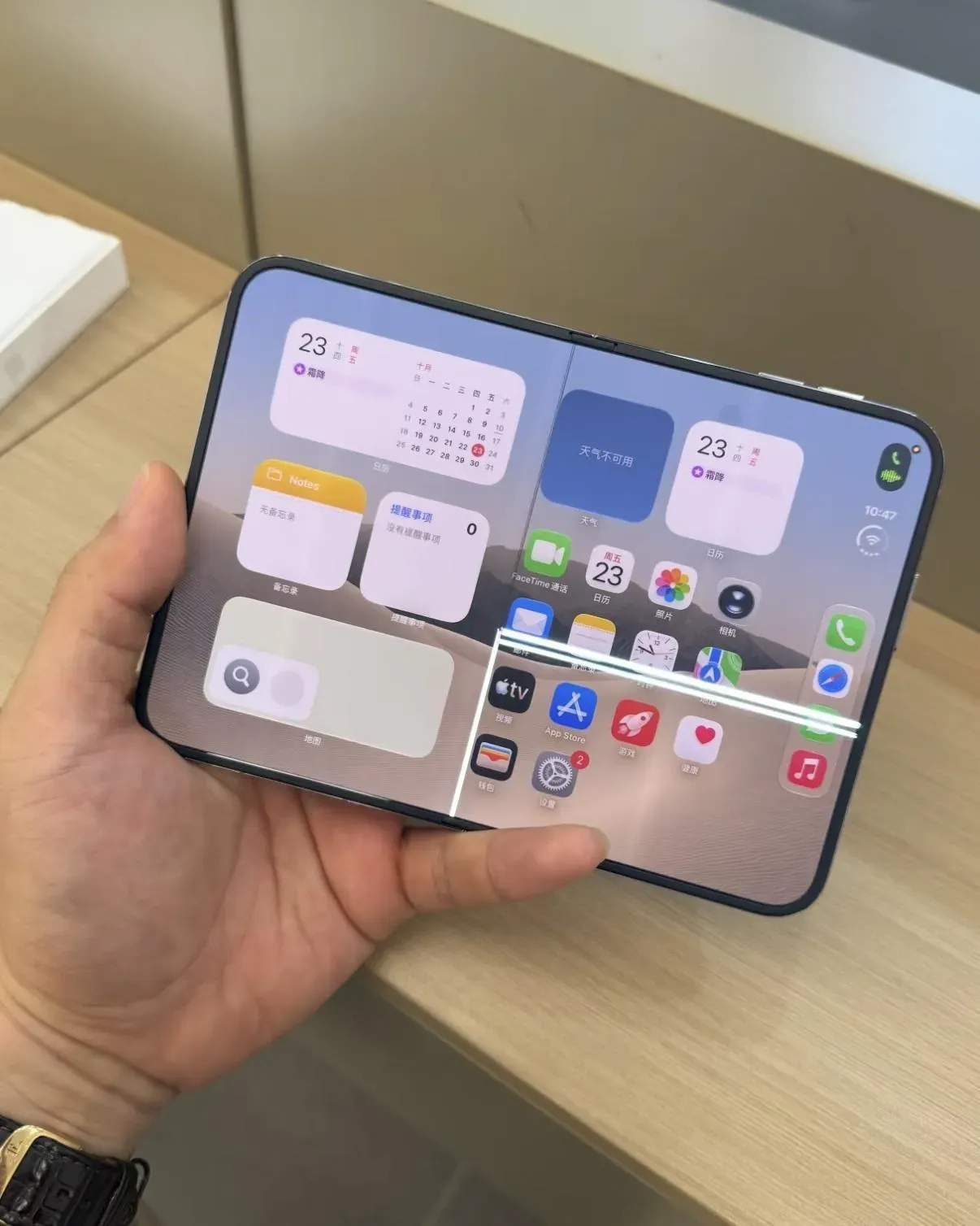
A YouTuber dissected the iPhone Duo and thinks he found crackgate's cause
CuriousHagi's teardown of Apple's foldable reveals a gear-like hinge that may explain why screens crack in the same spot within hours.

Google quietly links your phone number to every Android account on your SIM
Adding a SIM now ties your phone number to all Google accounts - and future accounts inherit it. Here's the security and privacy stakes.