
Microsoft approves Asha Sharma’s Halo, Fallout, Skyrim dev push, but Xbox spinoff talk grows
Satya Nadella and Amy Hood sign off on faster franchise timelines as The Information reports Xbox could be cut loose.

Microsoft CEO Satya Nadella and CFO Amy Hood approved Xbox CEO Asha Sharma’s plan to increase spending on Halo, Fallout, and The Elder Scrolls to speed up development. The Information, citing sources, also says Microsoft is considering spinning off or selling Xbox, or doing a joint venture to make it easier to sell.
Microsoft has reportedly greenlit a faster development push for its biggest franchises, led by Xbox CEO Asha Sharma. According to The Information, Microsoft CEO Satya Nadella and CFO Amy Hood approved Sharma’s plan to increase spending on Halo, Fallout, and The Elder Scrolls, with the explicit goal of speeding up development. Budgeting details were not locked down, but the direction is clear: more money, more priority, and less stalling.
The urgency behind that approval is hard to miss. Fallout has been waiting 11 years since Fallout 4. Skyrim has been waiting 15 years since its release. The Elder Scrolls 6 was announced eight years ago and still has no official title. And Halo, meanwhile, has been widely described as having stagnated, including a specific timeline point raised in the source: Halo Infinite halted new content updates in 2025, just four years after launch.
This is what makes the report feel like more than “spend more, ship faster.” It connects franchise timelines to corporate structure pressure. The Information also reports Microsoft has not ruled out spinning off the Xbox division as a standalone company or turning it into a wholly-owned subsidiary. The same report adds that Microsoft is considering a joint venture with partners, none named, which could make Xbox easier to sell after its overhaul. Importantly, the sources say nothing is imminent, and nothing is off limits.
For decision-makers, that matters because it changes how you interpret the spending approval. If Xbox were just a long-term bet inside Microsoft, executives could optimize purely for product and engagement metrics. But if Xbox is on the table as a potential separation or sale, every month of delay becomes more expensive. Game development is already a long-cycle business, and these franchises are the core “assets” investors, partners, and would-be buyers would scrutinize first. In that context, approving higher spending on named pillars is the kind of move that tries to buy credibility with customers and, indirectly, with anyone evaluating Xbox as an independent enterprise.
There is also an internal governance angle. The source specifically says Nadella and Hood approved Sharma’s plan, but that the actual budgeting has not been locked down. That signals a classic corporate pattern: executives can agree on strategic intent while still tightening control on the financial envelope. When a CFO is involved early, it often means the spending increase needs guardrails, milestones, or a clear path to measurable progress. In other words, this is not just “more money.” It is more money with expectation attached.
The market context is brutal. The source frames the broader picture as an “Xbox resuscitation” that is underway, with console exclusives back, but uncertainty still remains around how far and how fast Microsoft can translate that into durable leadership. It also reminds readers that Xbox’s “reset” will almost certainly involve putting hundreds of people out of work. Even without additional details, that points to a restructuring environment where priorities are being re-ranked, teams are being reorganized, and product timelines become a pressure test for leadership.
Regulatory and policy considerations may not be front and center in the report, but separation and sale discussions inevitably raise them in the background. Breaking out a major consumer technology business like Xbox would likely draw scrutiny depending on who ends up with what, how content rights are structured, and how competition in consoles and gaming platforms shakes out. Even when no transaction is imminent, the existence of “nothing is off limits” language tends to push legal, antitrust, and regulatory teams to model scenarios early. That, in turn, can affect how aggressively teams are reshaped and what kinds of contracts or partnerships are pursued during the transition.
Then there is the second-order problem: money does not automatically solve production timelines or live-service execution. The source makes that point directly in narrative form, using Halo Infinite as an example of a service future that ran into trouble. The lesson for executives is uncomfortable but repeatable: owning marquee franchises and funding them is not the same as delivering consistent, compelling outcomes on schedule. Microsoft has an advantage in that it already owns some of the biggest names in gaming, but the report underlines the uncertainty of whether Microsoft can “make anything out of that,” or even whether it wants to make the effort if Xbox’s corporate future might change.
The strategic stakes spill outward beyond Microsoft. If Xbox is serious about accelerating development for Halo, Fallout, and The Elder Scrolls, competitors will feel it as a shift in roadmap reliability. Publishers and platform partners will watch whether Microsoft can turn long-stalled franchises into momentum again, because that affects platform loyalty, content calendars, and the negotiating leverage that comes from having dependable blockbusters. For boards and investors across gaming, the report is a reminder that portfolio management is not just about buying IP. It is also about aligning organization structure, capital allocation, and timeline discipline. In this story, the approval for faster development is real. The corporate options that could follow it are also real. The combined message is that Microsoft is trying to close time gaps in games while keeping structural flexibility for what comes next.
This story's Key Insights and Take-aways are locked.
Create a free account to unlock Executive Actions for one credit.
Register to UnlockAlways free for Executives Club members. Join the Club
More in Business
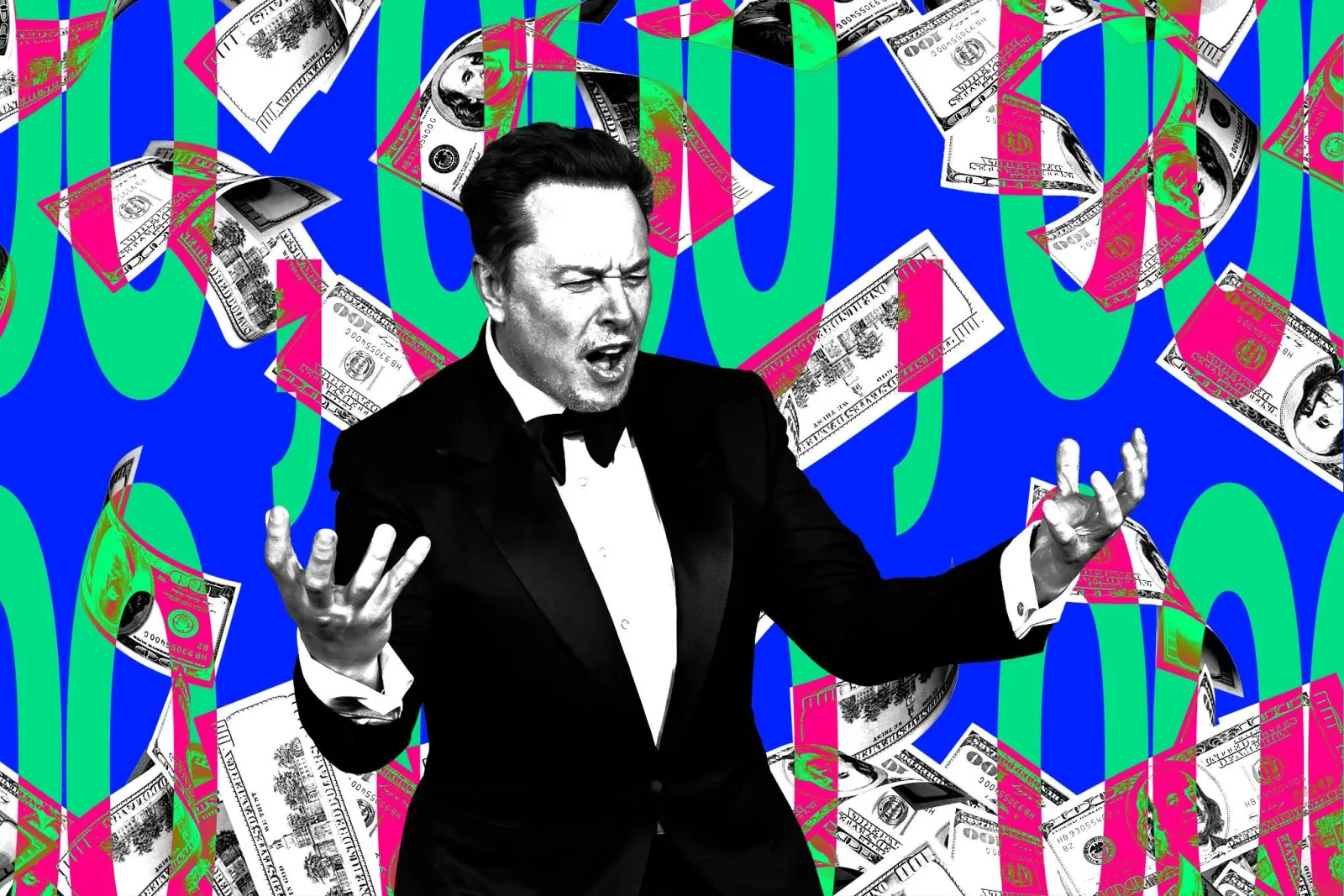
Elon Musk became the world’s first trillionaire after SpaceX IPO lifted him past $1T
SpaceX shares jumped, and Musk’s $800B pre-IPO value crossed a trillion, reshaping how investors price “moonshots.”
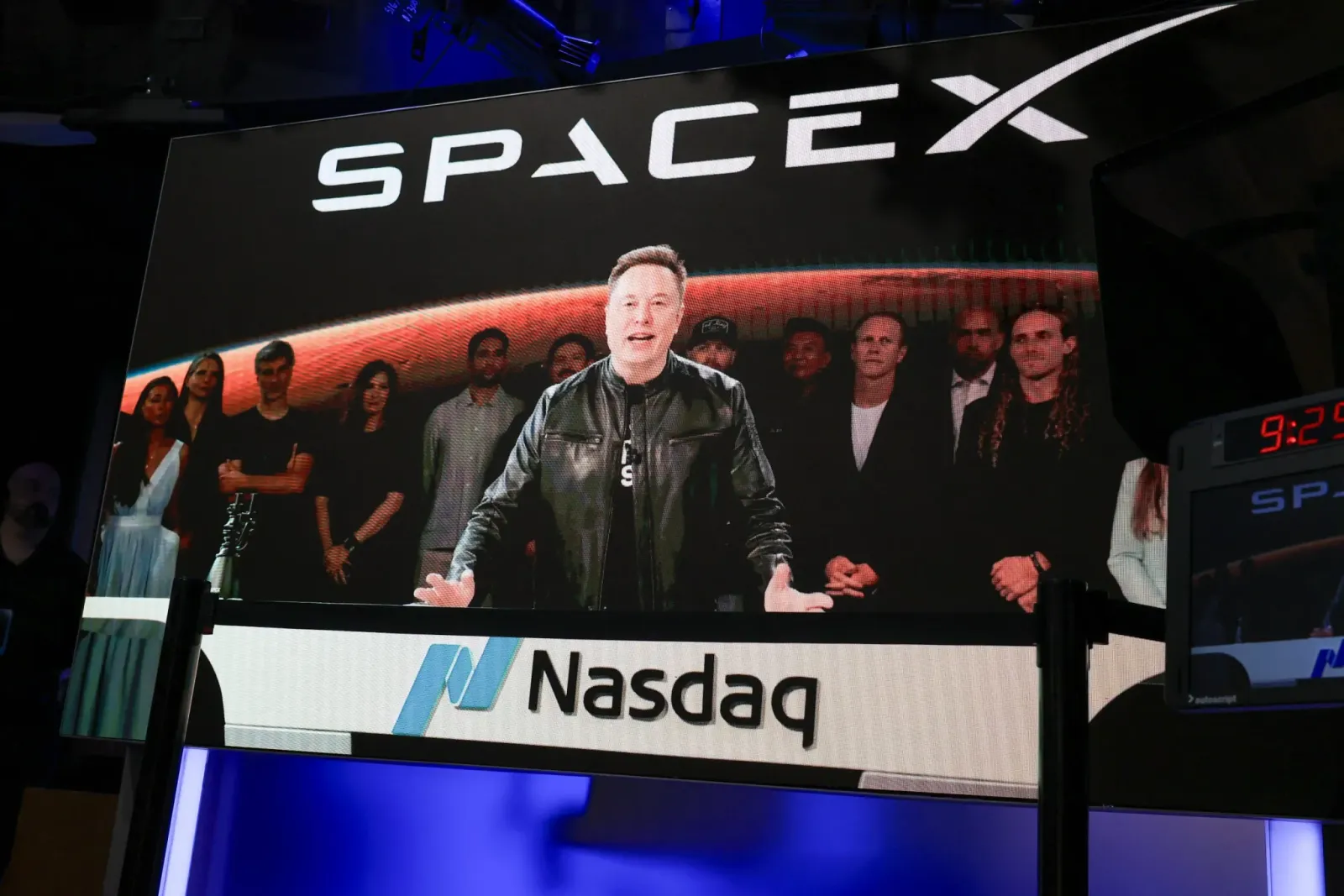
SpaceX stock closes at $161.11 after $2.1T debut valuation shatters expectations
The IPO priced at $135, surged on Nasdaq and Texas, and immediately rewired how executives think about mega-debuts.
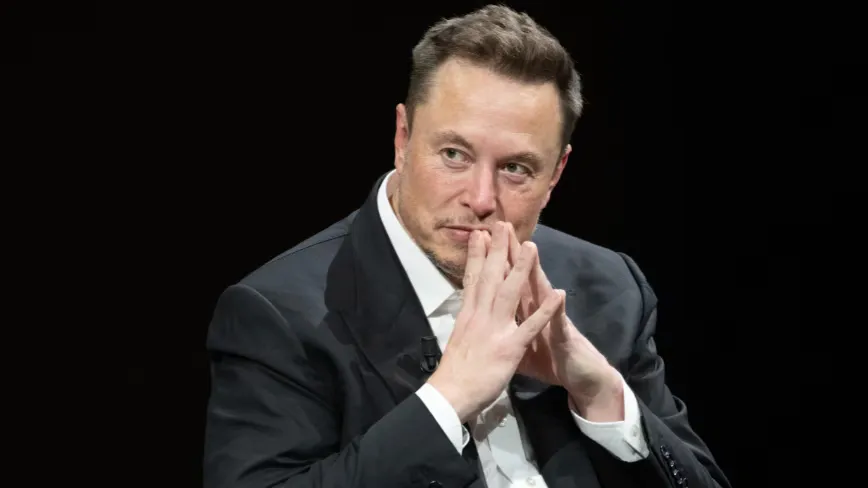
SpaceX IPO priced June 12 at $135: Elon Musk crosses $1T as funds pick up the tab
The SpaceX IPO values the company around $1.77T and estimates Musk’s stake at $866.5B, with broad investor ripple effects.