
Miss a season injured and the World Cup isn't the worst part
BBC Sport's look at footballers who lose a season to serious injury reveals the real cost: loneliness, mood swings, and hours staring at a wall after the World Cup squad is named without them.
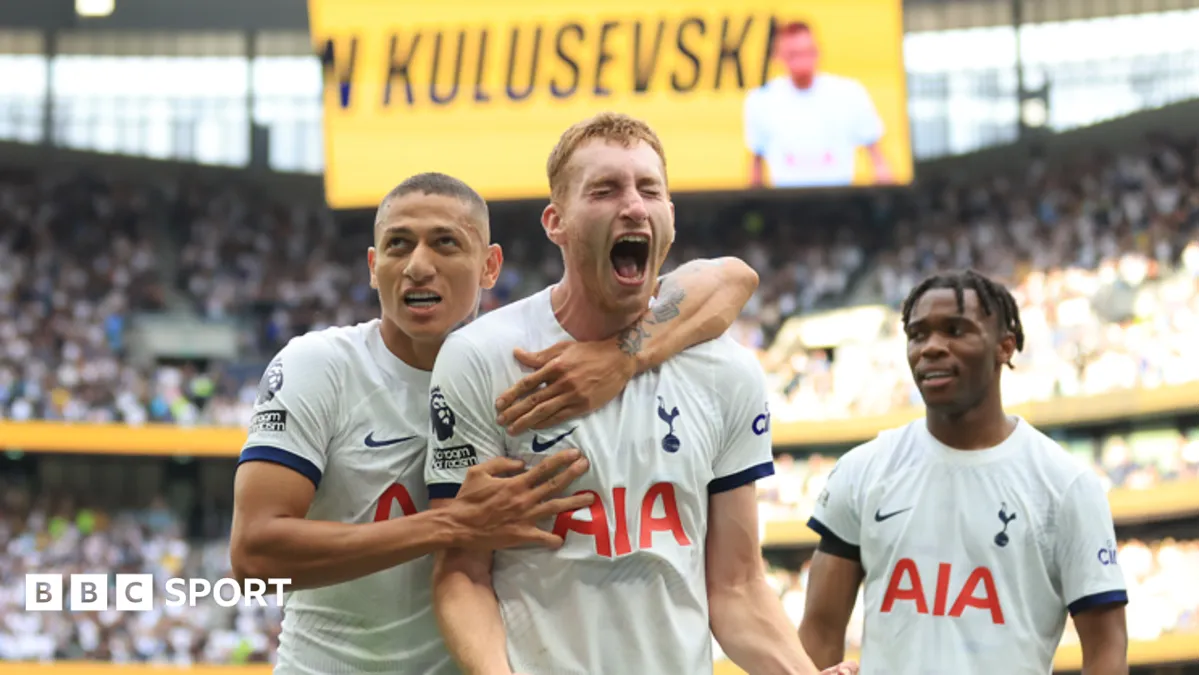
BBC Sport has examined what it is like for footballers to miss an entire season through serious injury, and the answer is loneliness, mood swings, and the specific devastation of being told you are not going to the World Cup. For clubs, agents, and anyone managing elite performers, the takeaway is that a long-term absence is a talent, contract, and welfare problem at once, and most organisations handle only one of the three.
Ask a footballer what a season-ending injury costs and the first answer is rarely the matches. According to BBC Sport, the reality is loneliness, mood swings, and being, in the piece's own framing, "not pleasant to be around." The sharpest image is what happens after the phone call: hours spent staring at a wall after being told you are not going to the World Cup. That is the part the injury report never captures. The body heals on a schedule. The rest does not.
The World Cup detail is what makes the story land. A serious injury does not just remove a player from a team sheet; it removes them from the single selection window that can define an entire career. National squads are named once every four years. There is no waiting for the next round of fixtures, no form to play back into, no second leg to overturn the result. If the timing is wrong, the tournament happens without you, and you watch it the way everyone else does.
Consider what a lost season actually looks like day to day. While the squad trains, travels, and plays, the injured player typically works on a separate schedule: gym sessions, physio, scans, and long stretches alone. Historically, that separation is the part clubs underrate. A dressing room is a social system, and it keeps moving. Teammates bond over results the injured player did not contribute to. By the time he returns, the group has a new shape, a new hierarchy, and a new set of in-jokes he was not there for.
Loneliness and mood swings are not character flaws, and framing them that way is part of the problem. They are predictable responses to isolation, stalled progress, and the loss of the thing that supplies a professional athlete's identity and income at the same time. Elite sport has become more willing in recent years to discuss this openly, and clubs and player unions have built out support in various forms. But the underlying structure of the game still works against recovery: short careers, brutal selection, and a public that measures a person by their last appearance.
Then there is the money, which is where this stops being only a human story. A player out for a season is an asset that stops producing. Clubs typically keep paying wages, carry insurance arrangements, and absorb the squad-space cost of a senior player who cannot be selected. For the player, the clock is worse. Contracts run down whether or not you are on the pitch. A season lost at 24 is a season of development gone. A season lost at 29 is a negotiation you now have to conduct from the treatment room.
The World Cup amplifies all of it because the supply of places is so small. A national squad is a few dozen names chosen from thousands of professionals, and the manager picks on current form and current fitness. Being unavailable does not just cost you this tournament; it removes you from the conversation entirely. Historically, players who miss one cycle at their peak rarely get a clean shot at the next one, because by then the next generation has arrived and the manager has moved on.
The line about being "not pleasant to be around" is the tell. It puts the burden of the injured player's mood on the people around him, which is exactly backwards. The person staring at the wall is the one absorbing the loss. The useful question for anyone managing elite performers is not whether the player is being difficult, but who is checking in during month four, when the cameras have gone and the rehab has stopped being a story.
For sporting directors, coaches, agents, and the executives who sign the cheques, the injury list is both a financial document and a human one, and treating it as only the first is how you lose the second. The players who come back strongest are usually the ones whose clubs treated the absence as a project rather than a gap. The World Cup will be played with or without them. The season after it is where the real recovery gets judged.
This story's Key Insights and Take-aways are locked.
Create a free account to unlock Executive Actions for one credit.
Register to UnlockAlways free for Executives Club members. Join the Club
More in Entertainment

GTA 6 banks $3.8bn in one day, torching every launch record
One game just out-earned every video game launch and every single-day film box office haul in history, and the fallout lands on every media CEO's forecast.

GTA VI Racked Up $3.79 Billion in a Single Day, Topping Every Film Ever
A 13-year wait produced a $3.79 billion day, more than any movie has made in its entire run, and it resets the launch math for every studio, streamer, and brand chasing the same attention.

GTA 6 sells 32.5M pre-sales and $3.79B day one, torches 13-year record
Rockstar's sequel didn't just beat Grand Theft Auto V's 13-year-old benchmark; it reset what a launch can be, with 32.5 million pre-sale copies and $3.79 billion in a single day.