
Monash researchers want to fold Australopithecus and Paranthropus into Homo, redrawing our family tree
A new Monash University study argues the genus line separating our ancestors from us is a convention rather than a discovery, and the labels in every textbook may need to change.
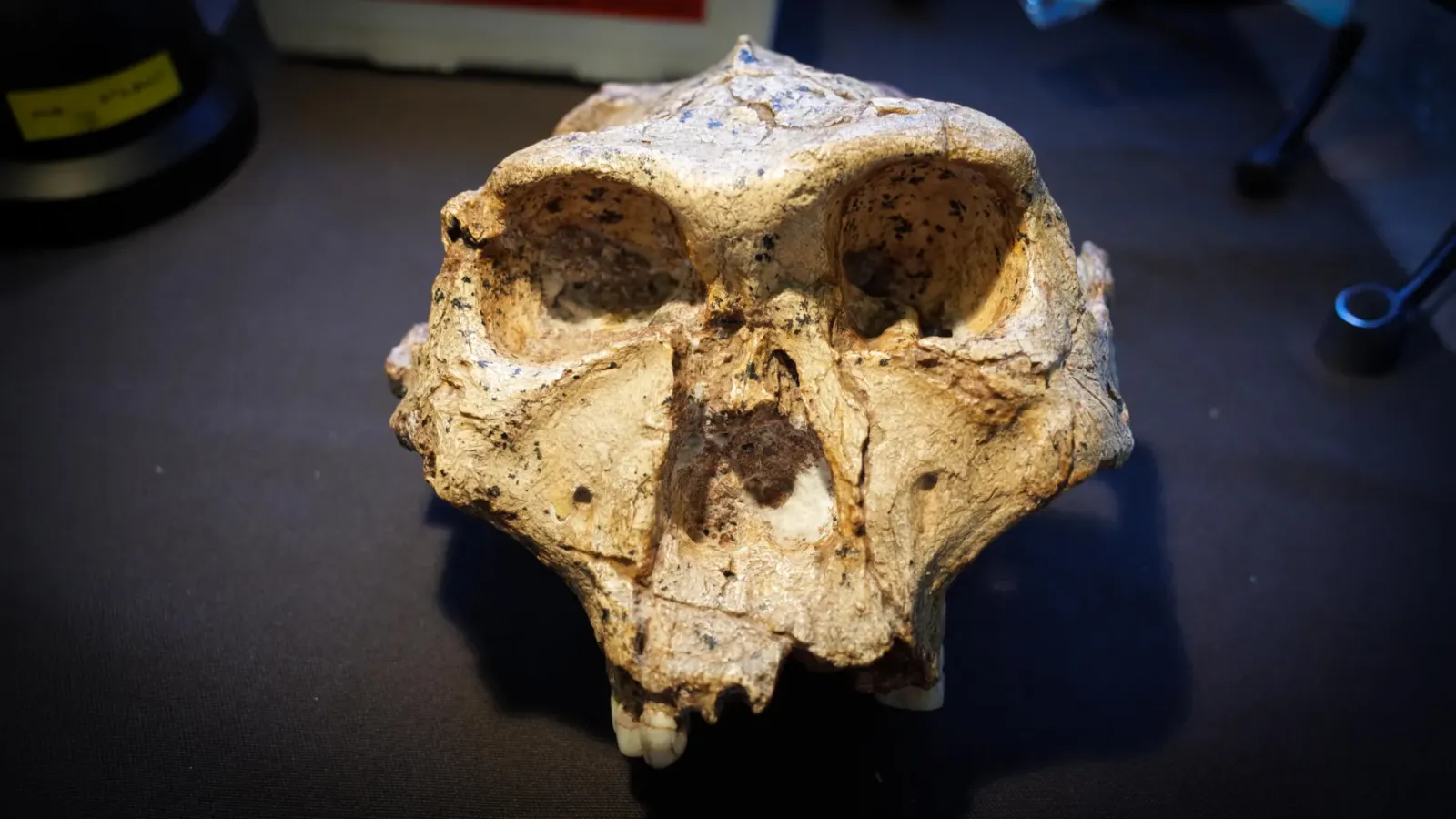
Researchers at Monash University argue that Australopithecus and Paranthropus, long treated as separate genera, should instead be grouped inside Homo, the genus that contains modern humans. For decision-makers, the takeaway is a reminder that the categories industries treat as fixed, from scientific taxonomy to market definitions, are often conventions that shift when the evidence and the criteria change.
Researchers at Monash University are making a blunt argument about the human family tree: two of its most familiar branches may not deserve to be branches at all. Their claim is that species grouped under Australopithecus and Paranthropus should instead sit inside Homo, the genus that contains modern humans. That is not a small clerical edit. It would collapse genera that textbooks, museums, and decades of scientific literature have treated as separate, and it would force the field to redraw the line between us and them in our own ancestry.
The Monash team's case rests on a simple observation: the boundaries that once separated these ancient relatives are becoming increasingly difficult to defend. As more fossils come out of the ground and as methods for analyzing evolutionary relationships get sharper, the gaps that justified separate genera keep narrowing. What looked like a clean break between small-brained, ape-like ancestors and bigger-brained tool users starts to look like a continuum. When a boundary is that fuzzy, the argument goes, the label attached to it is doing far less work than everyone assumes.
For context, the traditional arrangement runs roughly like this. Australopithecus is the group of early bipeds that includes the famous Lucy specimen, upright walkers with brains closer in size to a chimpanzee's than to ours. Paranthropus is the robust side of the family, heavy-jawed and big-toothed, often described as a specialized cousin that eventually went extinct. Homo is our own genus, historically defined by larger brains, toolmaking, and eventually the spread out of Africa. Textbooks typically present these as three distinct chapters. The Monash argument says the chapter breaks are editorial, not natural.
That is the uncomfortable part of this debate, and it is not unique to paleoanthropology. Genus is a rank inside a filing system invented by humans. Nothing in a fossil tells you which genus it belongs to; scientists decide, using criteria that shift with fashion and with evidence. One school groups organisms strictly by shared ancestry, which tends to lump. Another groups by overall similarity or adaptive grade, which tends to split. Change the criterion and the same bones land in different boxes. So a fight over whether Australopithecus is really Homo is partly a fight about which rule the field should be playing by.
What is driving the rethink now is volume. Every new fossil narrows the gaps between named species, and every new analysis of evolutionary relationships reshuffles where the branches meet. The more complete the record becomes, the harder it is to point at a single trait and declare that this is where our genus begins. Monash's contribution is to push that logic all the way to its conclusion rather than stopping at a comfortable halfway point.
If the reclassification were adopted, the practical fallout would be broad and mostly bureaucratic. Museum exhibits would need new labels. University courses would need new diagrams. Research papers that cite Australopithecus afarensis or Paranthropus boisei would carry a different genus name, and searchable databases would need to reconcile old and new entries. Popular science, which leans hard on the drama of distinct ancestors, would have to explain that the cast of characters did not change, only their surnames.
None of that touches the actual evidence. Renaming a species does not move a single bone, shift a date, or change how an ancient hominin lived. The fossils are the same fossils. The timeline is the same timeline. What changes is the story we tell about them, and specifically how sharply we draw the line between early hominins and the genus we reserve for ourselves.
That is why the argument matters beyond a taxonomy seminar. The human family tree is the most public product paleoanthropology has. It shows up in classrooms, documentaries, and museum halls, and it shapes how ordinary people think about what it means to be human. If the genus boundary is a convention rather than a discovery, then the field owes the public a clearer account of who drew it, why they drew it there, and what would have to be true for it to move. Monash has now put that question on the table. The answer will not come from one paper, but from how the next round of fossils and analyses holds up.
This story's Key Insights and Take-aways are locked.
Create a free account to unlock Executive Actions for one credit.
Register to UnlockAlways free for Executives Club members. Join the Club
More in Science

AI that nails brain-activity tests may be solving them the wrong way
A new discovery suggests strong neural-prediction scores do not prove a model works like the brain, a warning for labs, neurotech investors, and anyone selling brain-like AI.

Scientists Want to Test Whether a Clock Can Run on Two Flows of Time
An atomic-clock experiment has been proposed to catch a never-observed quantum effect, a result that would redraw the boundary between time and gravity.
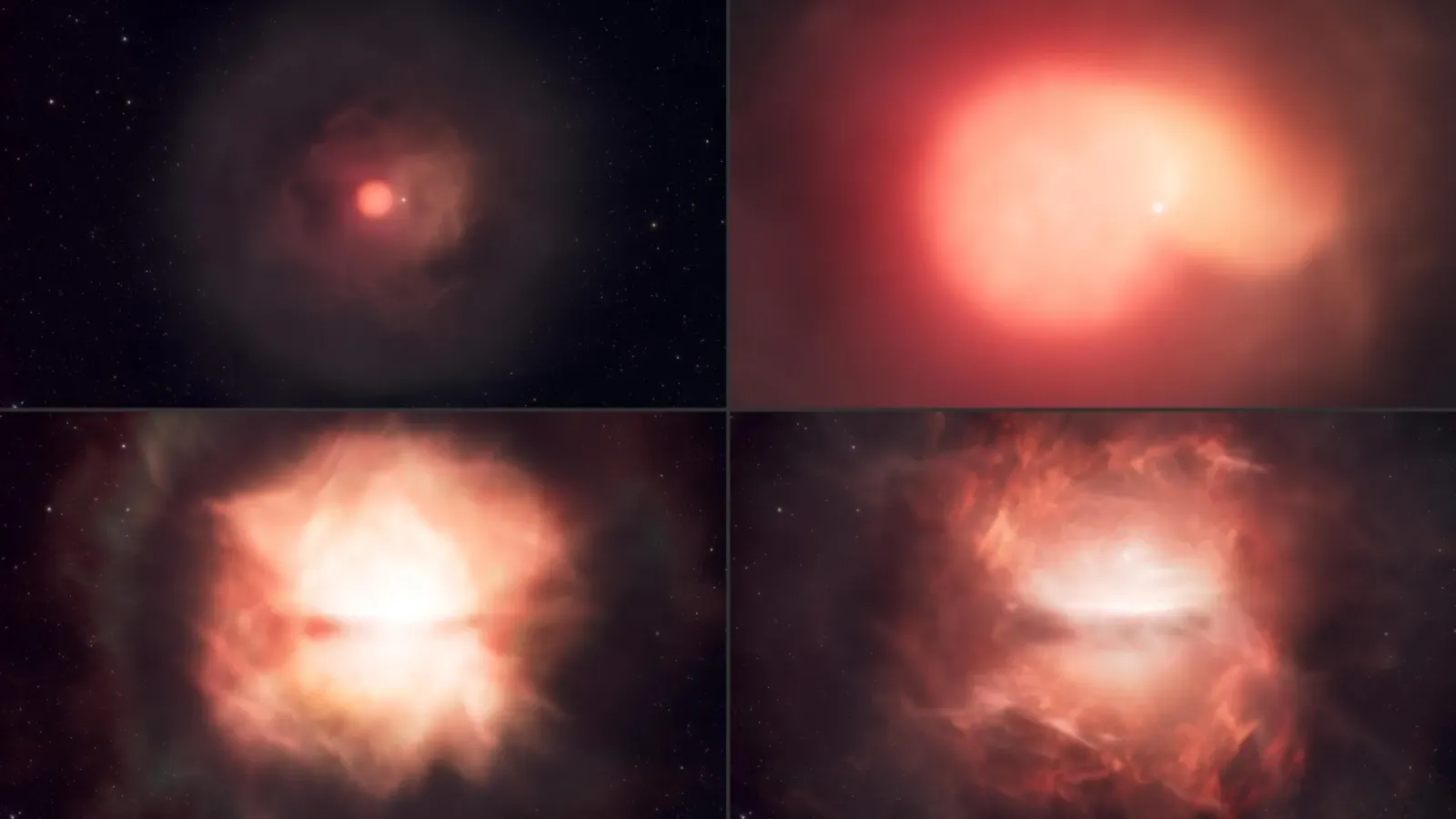
A star swallowed another star. Webb caught the aftermath in 47 days
Astronomers watched a small star spiral into a giant 18,000 times brighter than the Sun in Andromeda, and Webb's 47-day follow-up is rewriting how stellar mergers get studied.