
NASA fires RS-25 for 200 seconds, banking data for a 2028 Moon landing
NASA's 200-second RS-25 burn is the kind of unglamorous test that decides whether the 2028 Artemis IV landing date actually holds.
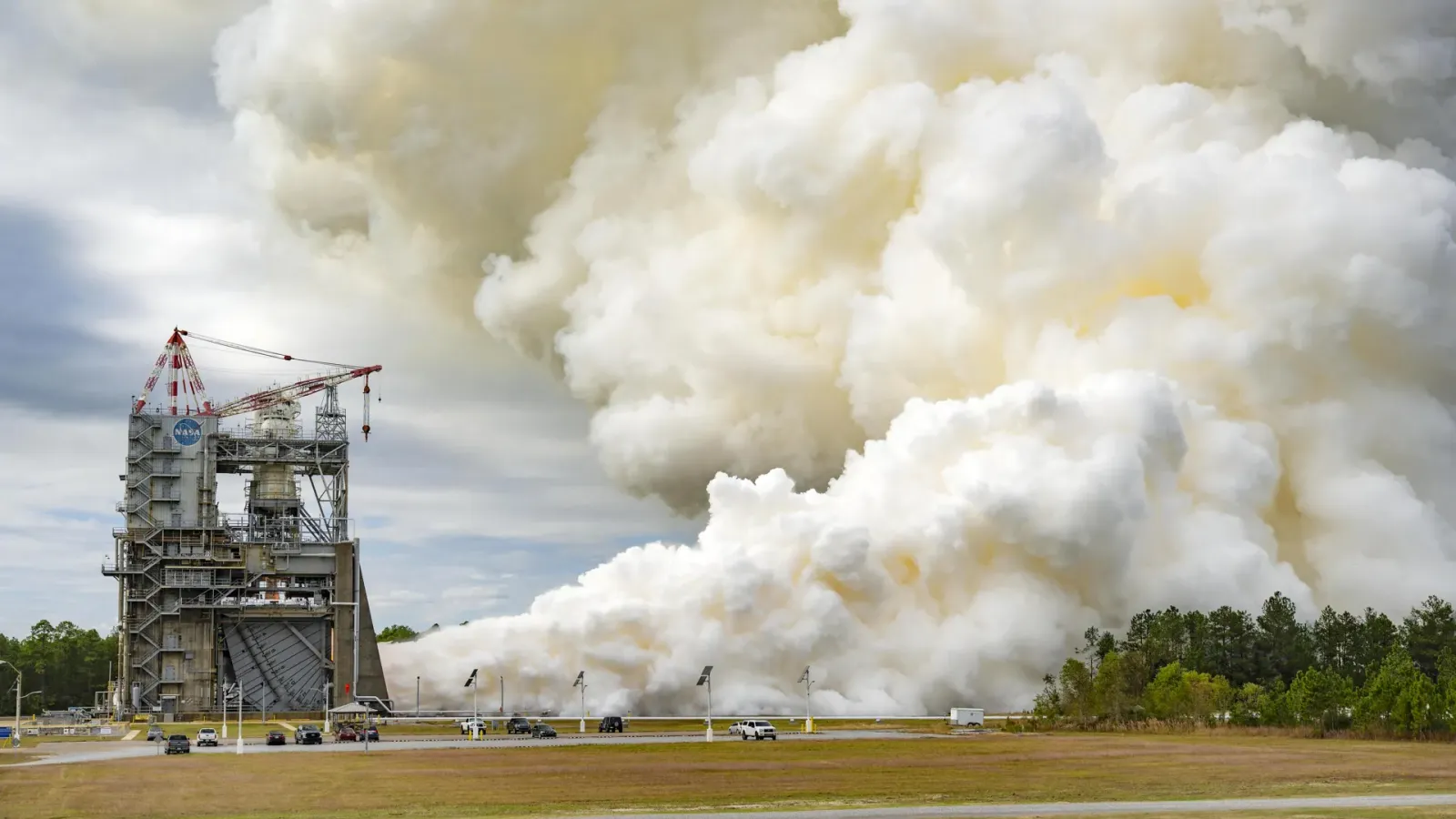
NASA has successfully test-fired an RS-25 rocket engine for 200 seconds, gathering data the agency says could make future Moon missions safer and more reliable. The result feeds preparations for the 2028 Artemis IV Moon landing and NASA's stated ambition of sending astronauts to Mars, which puts the real schedule pressure on the test campaign rather than the announcement.
NASA lit an RS-25 rocket engine and let it burn for 200 seconds, a hot-fire test the agency says will make future Moon missions safer and more reliable. This is the same class of hardware that pushes the Space Launch System off the pad, and the data pulled from those 200 seconds feeds directly into preparations for Artemis IV, the Moon landing NASA has targeted for 2028. It also serves a longer ambition the agency has stated plainly: sending astronauts to Mars.
Here is why 200 seconds is the number that matters. Rocket engines are not judged on a single ignition. They are judged on whether they hold steady, throttle predictably, and survive the thermal and vibration punishment of a sustained burn. A test stand is where you find the cracks, the sensor drift, and the plumbing quirks before a crew is sitting on top of the hardware. NASA's stated goal for this run was exactly that: gather data that could make future Moon missions safer and more reliable. Nothing in that sentence is marketing. It is the entire logic of test-first engineering, and it is why a burn that produces no dramatic footage still moves a program forward.
The RS-25 is not a new engine, and that is the point. It is the lineage that powered the Space Shuttle across three decades of flight, and NASA has historically leaned on that heritage hardware rather than designing a clean-sheet engine for the first SLS flights. Reusing a proven design buys schedule and reduces technical risk, but it also means the agency is flying engines whose behavior it already knows well and testing them anyway, because the flight profile, the vehicle, and the margins are different. For context, the SLS core stage carries four of these engines, so a single test result propagates across the whole stack. One engine's data set is never just one engine's problem.
The 2028 date is the pressure point. Artemis IV is the mission this test supports, and it sits deep in a sequence that has historically slipped. NASA's plan has been to return astronauts to the lunar surface and then build toward a sustained presence, with Artemis IV tied to the upgraded Block 1B configuration of the SLS and the Gateway station in lunar orbit. Every engine test is a small vote of confidence in that schedule. Every anomaly found on the stand is a schedule risk caught early, which is the cheapest place to catch it. Programs rarely fail on the launch pad. They fail in the months nobody was watching.
Follow the money and the test looks less like a science experiment and more like supply chain management. Rocket engines are among the most expensive and slowest-to-build components in any launch vehicle, and the industrial base that makes them is thin. NASA has historically paid a premium to keep that base warm, because losing it means losing the ability to fly at all. For the companies in that chain, a successful 200-second burn is a signal that demand for engines, turbomachinery, avionics, and test infrastructure continues. For investors watching the space sector, it is a reminder that the government market and the commercial market run on different clocks, different margins, and very different definitions of success.
Mars is the part of the sentence that deserves a second look. NASA has framed the Moon as a proving ground, and the source of this test is explicit that the work supports the agency's ultimate ambition of sending astronauts to Mars. The engineering gap between a lunar mission and a Mars mission is not a rounding error. Longer transit times, no resupply, and propulsion that has to work after months of coasting all raise the bar. Engines that behave predictably in a 200-second ground test are a prerequisite, not a solution. They are the floor, not the ceiling.
For executives and boards, the useful read is about how large, public, multi-decade programs actually de-risk. They do it in increments that look boring from the outside: a burn here, a data set there, a component qualified months before anyone announces a date. The Artemis IV target of 2028 will be made or broken by hundreds of decisions like this one, most of which will never produce a headline. The same pattern shows up in any capital-intensive program, from launch vehicles to chip fabs to grid-scale energy. The schedule is won in test campaigns, not in press conferences.
What to watch next is straightforward. More hot fires, more data, and eventually the integration work that turns a tested engine into a flight-ready stage. NASA has not promised that this single test changes the 2028 date, and it should not. What it has done is add evidence to the pile that the hardware can take the punishment. In a program measured in years and billions of dollars, that is the currency that matters.
This story's Key Insights and Take-aways are locked.
Create a free account to unlock Executive Actions for one credit.
Register to UnlockAlways free for Executives Club members. Join the Club
More in Science
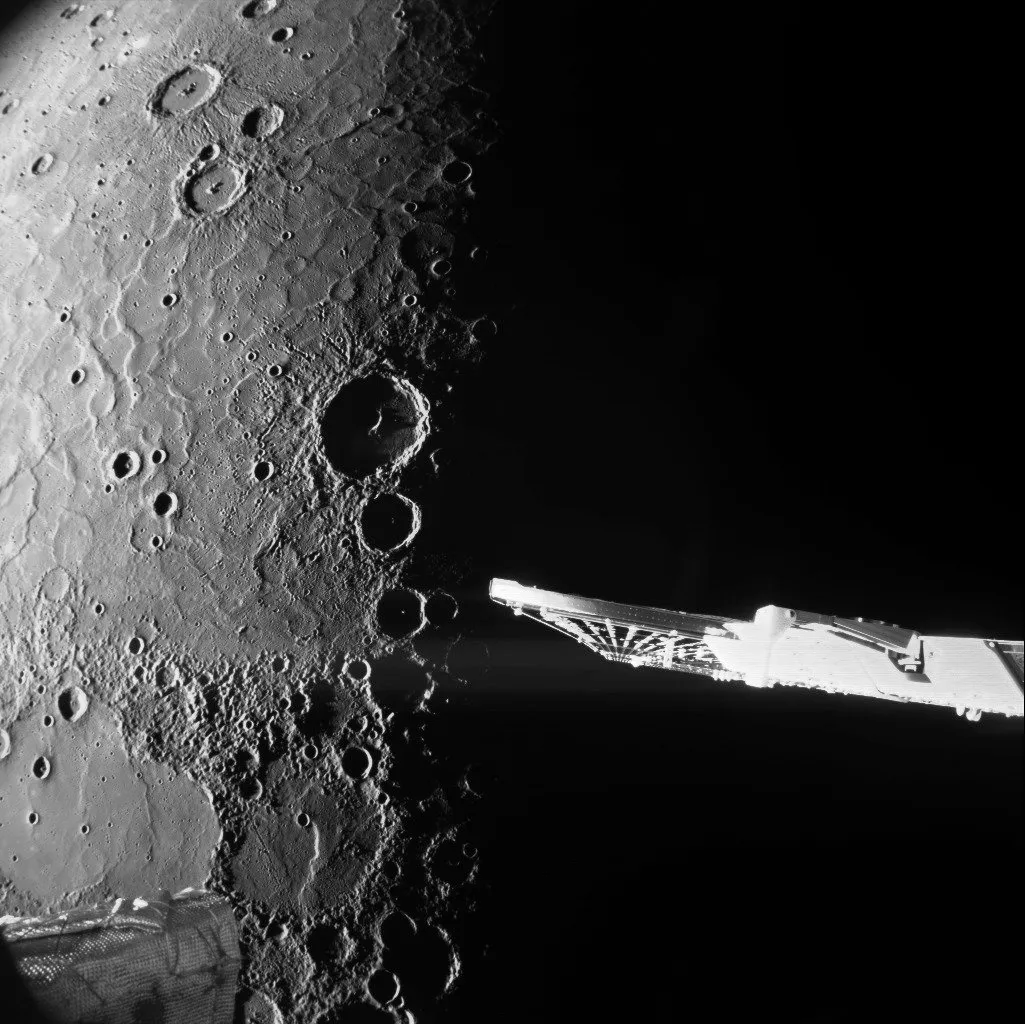
Europe and Japan park $2B twin probes at Mercury after eight years
BepiColombo's arrival ends an eight-year, $2 billion cruise and hands Europe and Japan a multi-year data edge on the solar system's least-studied planet.
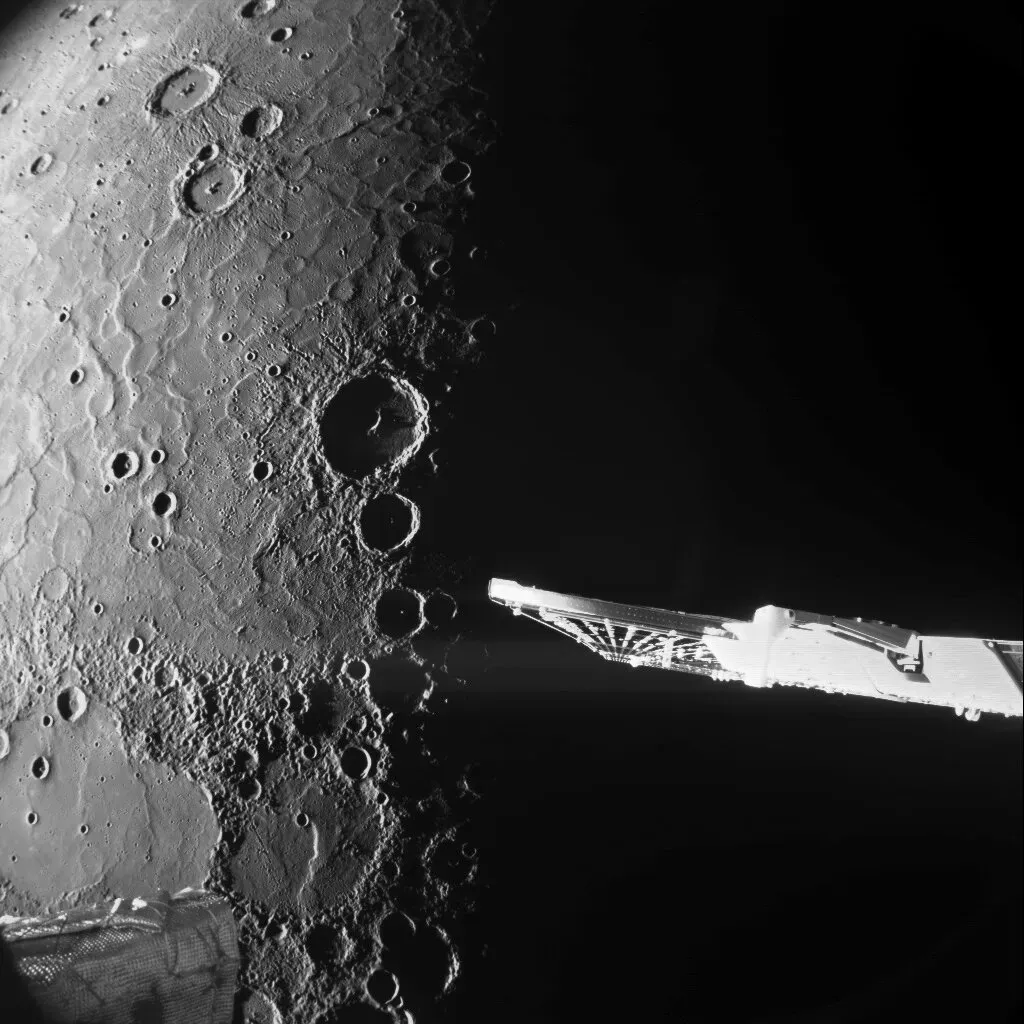
BepiColombo becomes only the second spacecraft ever to orbit Mercury
The international mission reaches the planet closest to the sun, giving scientists a rare second set of eyes and giving operators a case study in long-horizon R&D.

COP31 stalls as countries weigh forcing a Saudi showdown on fossil fuels
Two weeks of UN climate talks in Turkey have overrun without a deal, and the decision now facing governments will shape energy costs, transition timelines and capital allocation for years.