
Netflix's 'The Body' Hit 5M Views. 126K Want It Pulled.
A CitizenGo petition against creator Quinn Shephard's series cleared 126,000 signatures in the same week the show cleared 5 million views, forcing Netflix to price engagement against organized subscriber anger.
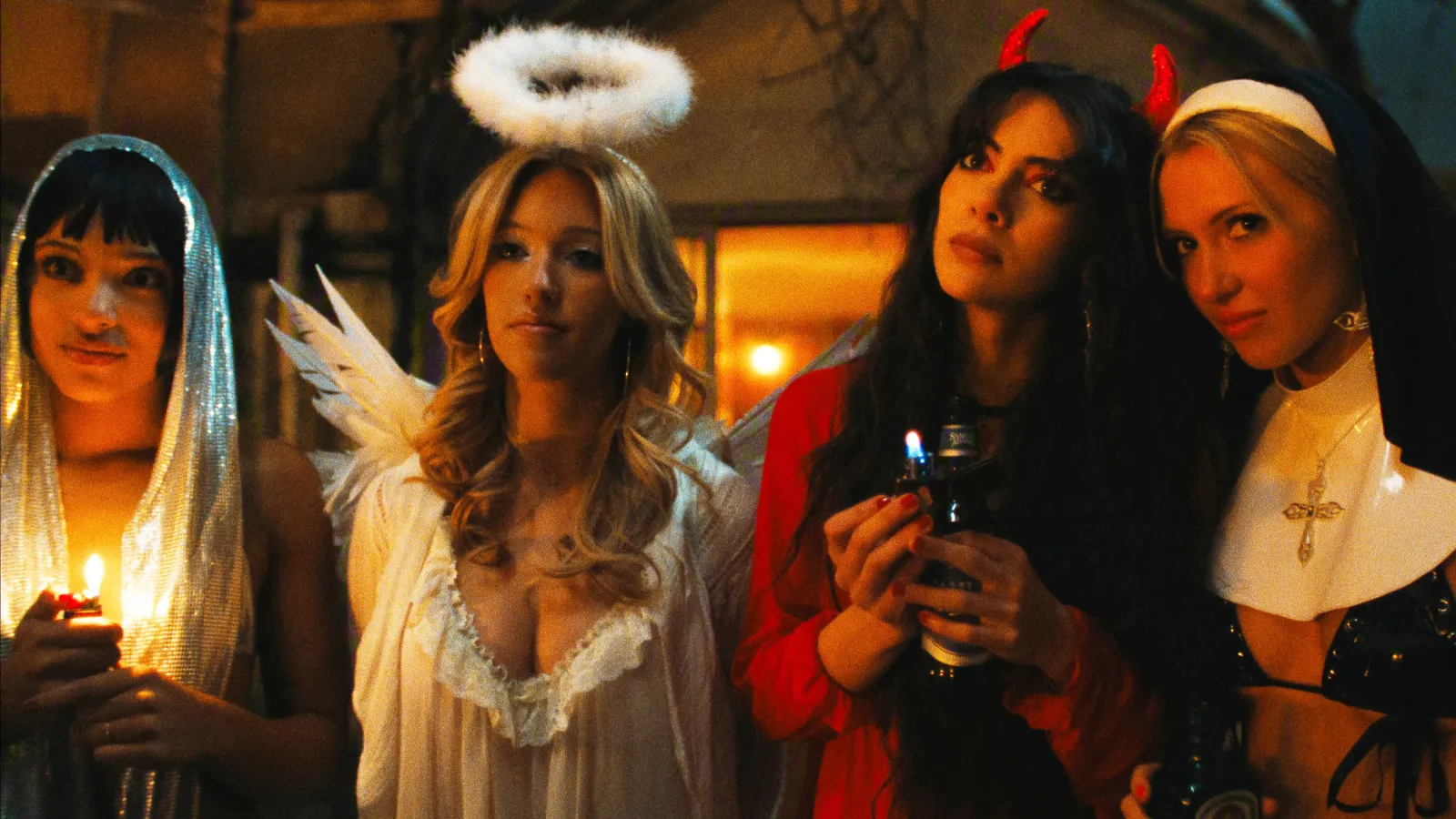
Netflix's new series The Body, from creator Quinn Shephard, surpassed 5 million views in its first week while a CitizenGo petition demanding the show be removed passed 126,000 signatures. For media and platform executives, the standoff is a live test of how engagement gets weighed against organized brand risk, and where the line sits between defending a creator and protecting a subscriber base.
Two numbers landed in the same week, and they point in opposite directions. Netflix's The Body cleared 5 million views in its first week, per Deadline, a strong opening for a new series. In the same stretch, a CitizenGo petition demanding the show be removed from the platform passed 126,000 signatures, and it is still growing. One metric says the audience showed up. The other says an organized slice of that audience wants the thing gone.
The petition did not wait for the premiere. Campaigners started collecting signatures ahead of last week's release, branding the Quinn Shephard-created series a "blasphemous anti-Christian series" and calling on Netflix to "stop defiling." The ask underneath is blunt: pull the title.
Why does a signature count matter to a company that just booked 5 million views? Because petitions are rarely aimed at the platform's programming team. They are aimed at everyone standing near it. Historically, the pressure that moves media companies is not the raw number of names on a list but what those names threaten to touch next: advertisers who do not want their logo beside a fight, distributors and payment partners who dislike noise, politicians hunting for a culture-war stage, and subscribers who quietly cancel. A petition is a public scoreboard for that pressure, and 126,000 is high enough to get cited in every follow-up story.
The engagement math is the other half of the story, and it is genuinely uncomfortable. For a streamer, a 5 million-view opening week is the kind of number that normally triggers internal talk about renewal, marketing spend, and franchise potential. Content that generates sustained protest can still be a commercial winner, but the cost shows up where it is hardest to measure: brand-safety conversations with ad buyers, customer-service volume, and executive hours burned on crisis response. Netflix sells advertising now, which means the question is no longer just whether subscribers watch it, but whether brands will pay to sit next to it. That is a different question with a different answer.
Netflix has weathered content backlash before and has generally resisted pulling titles, on the reasonable theory that removal rewards the campaign and invites the next one. That precedent cuts both ways. Standing firm protects editorial independence and keeps creators willing to bring risky material to the platform. Caving protects a quarter's worth of advertiser goodwill. The company has not signaled which way it is leaning, and the reporting here does not indicate it will move at all.
Then there is the creator. Quinn Shephard made the series, and her name is now attached to a fight she did not pick. For showrunners and producers watching from the outside, the lesson is about sequencing: the campaign began before the show even launched, which means the traditional playbook of responding after release is already out of date. If opposition can be organized against a title before anyone has seen it, pre-launch risk assessment stops being a legal formality and becomes a marketing decision.
What to watch from here is whether 126,000 signatures convert into anything with teeth. Three signals matter. First, whether advertisers or agency brand-safety teams publicly distance themselves from the title. Second, whether viewership holds, climbs, or collapses in week two, since a protest that drives curiosity can inflate the very numbers the campaign wants to kill. Third, whether the petition stays a petition or becomes a political talking point, which is the stage where streamers historically start making quiet calls.
For executives running content businesses, the takeaway is structural. Audience size and audience anger are no longer separate spreadsheets. A title can be a hit and a liability in the same week, and the call on what to do lands with people paid to think about subscribers, advertisers, and regulators simultaneously. Netflix's decision on The Body will be read as a precedent by every platform with a controversial show in the pipeline, and by every creator deciding where to take their next script.
This story's Key Insights and Take-aways are locked.
Create a free account to unlock Executive Actions for one credit.
Register to UnlockAlways free for Executives Club members. Join the Club
More in Entertainment

GTA 6 banks $3.8bn in one day, torching every launch record
One game just out-earned every video game launch and every single-day film box office haul in history, and the fallout lands on every media CEO's forecast.

GTA VI Racked Up $3.79 Billion in a Single Day, Topping Every Film Ever
A 13-year wait produced a $3.79 billion day, more than any movie has made in its entire run, and it resets the launch math for every studio, streamer, and brand chasing the same attention.

GTA 6 sells 32.5M pre-sales and $3.79B day one, torches 13-year record
Rockstar's sequel didn't just beat Grand Theft Auto V's 13-year-old benchmark; it reset what a launch can be, with 32.5 million pre-sale copies and $3.79 billion in a single day.