
Palisades Fire: 12 Dead, 6,000 Structures Gone, and Now a Guilty Verdict
A second federal jury convicted Jonathan Rinderknecht of arson five months after a mistrial, setting a March 2027 sentencing that carries 5 to 40 years and leaving civil claims pending.
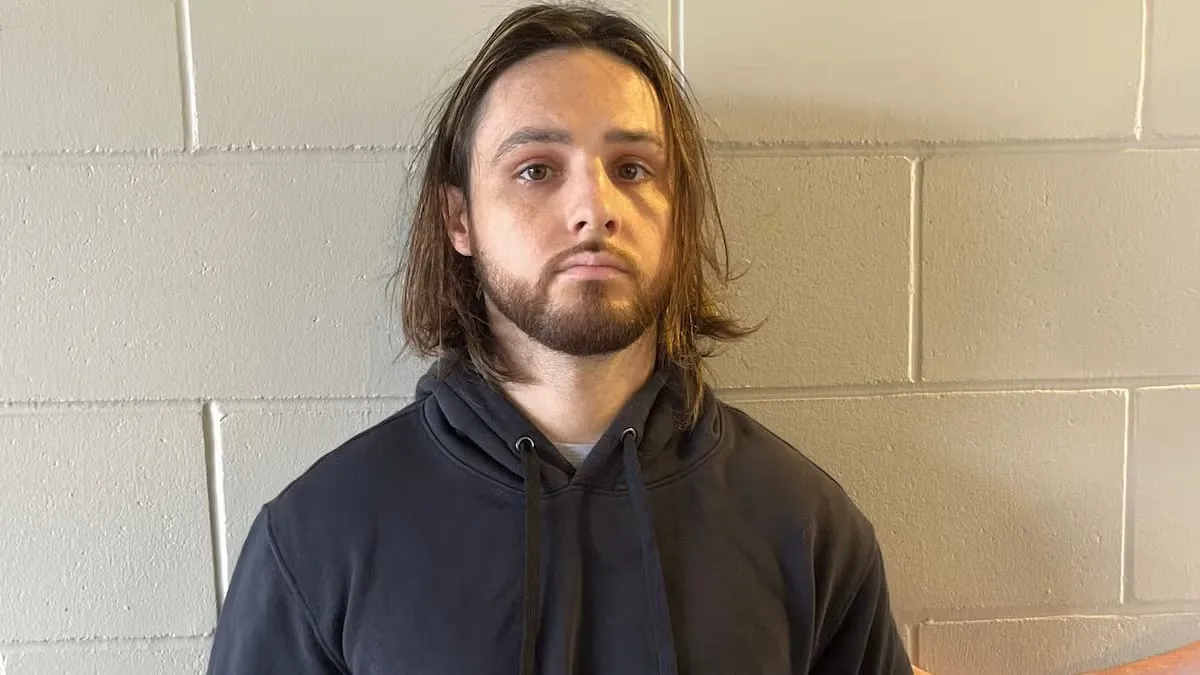
A federal jury convicted 30-year-old former Uber driver Jonathan Rinderknecht of starting the January 2025 Palisades Fire, which killed 12 people and destroyed 6,000 homes and structures, five months after his first trial ended in a mistrial. For operators and risk teams, the case shows how surveillance footage and DNA can convert a near-acquittal into a conviction, and it keeps arson liability and civil exposure live until sentencing on March 17, 2027.
A federal jury on Friday convicted Jonathan Rinderknecht of starting the January 2025 Palisades Fire, the blaze that killed 12 people and destroyed 6,000 homes and structures. The 30-year-old former Uber driver was found guilty on two federal counts: destruction of property by means of fire, and arson affecting property used in interstate commerce. Sentencing is set for March 17, 2027. Prosecutors say he faces a minimum of 5 years and a maximum of 40 years in prison.
The verdict is remarkable less for the outcome than for the road it took to get there. Five months before Friday, this same federal case had ended in a mistrial. In June, jurors told U.S. District Judge Anne Hwang that they were deadlocked on all three felony counts against Rinderknecht, with 10 jurors favoring acquittal, according to media reports. That is a panel that leaned hard toward letting him walk, on every count. Instead, the government retried the case. Jury selection in the second trial began on Nov. 2, and the jury reached a verdict 18 days later. Same defendant, same underlying fire, a completely different ending. It is the cleanest argument in recent memory for why a mistrial is a pause and not a verdict.
The public record of the government's case rests on connective tissue more than spectacle. Prosecutors used surveillance camera footage of Rinderknecht driving through the Pacific Palisades region prior to the fire to build their case, and they argued that DNA from a green BIC barbecue lighter matched his DNA. That combination is the modern anatomy of an arson prosecution: a timestamped vehicle in a place it should not be, plus a mundane object carrying genetic material. Juries that deadlock over motive, memory, or witness credibility will often convict on a camera and a lighter, because those pieces do not have an agenda.
The Los Angeles Fire Department, which spent the weeks after January 2025 fighting a fire that leveled entire neighborhoods, thanked jurors Friday and then drew a hard line on further comment. "We respect the jury's work and the long, difficult process that brought us to today's verdict," the department said in a statement. "Our first thought remains with the families of those we lost and for everyone in our community whose lives were changed by this fire. No verdict, however important, could ever undo that loss." The department added that because the criminal sentencing and related civil matters remain pending, it would not comment further at this time.
The two counts he was convicted on explain why this landed in federal court at all. Destruction of property by means of fire is the core arson charge. Arson affecting property used in interstate commerce is the jurisdictional bridge, the legal hook that lets federal prosecutors reach conduct that otherwise looks like a local matter. Federal arson statutes typically require some connection to a federal interest, and property tied to interstate commerce is one of the broadest bridges available to prosecutors. Note also the shape of the docket: the June jury was deadlocked on three felony counts, and Friday's conviction came on two. That gap is the kind of detail defense counsel files away for sentencing and any later challenge.
The sentencing math is enormous in both directions. Five years at the floor, forty at the ceiling, with a federal judge holding wide discretion inside that statutory range, guided by sentencing guidelines and by factors including the scale of harm, which here is measured in a dozen lives and thousands of structures. The March 17, 2027 date matters independently. It places the final chapter of the criminal case far beyond the current news cycle, which means the verdict is a milestone rather than a finish line, and the case stays open in the public record for a long stretch.
That is why the LAFD's careful phrasing about "related civil matters" deserves a second read from anyone with money on the line. A criminal conviction for arson is the kind of finding that tends to reshape civil litigation: it can simplify questions of fault, sharpen settlement arithmetic, and strengthen insurers' hands as they pursue recovery, through subrogation, of what they paid out on thousands of destroyed structures. For context, wildfire litigation historically grinds on for years after a criminal docket clears, and nothing about that timeline speeds up while a defendant is facing decades in prison.
Step back and the stakes are bigger than one man. With 12 dead and 6,000 structures destroyed, the Palisades Fire carries the sort of numbers that define how a city remembers a disaster, and this conviction is the first official assignment of responsibility for it. For the people rebuilding in the burn scar, the verdict answers a question they have carried for months. For anyone who underwrites, insures, or builds in fire country, the lesson is that arson determinations increasingly turn on data trails, cameras, and DNA rather than eyewitnesses, which raises the value of evidence that is captured automatically and preserved properly. And for prosecutors, the case is a template: a jury that cannot agree is not a defeat, it is a rehearsal.
This story's Key Insights and Take-aways are locked.
Create a free account to unlock Executive Actions for one credit.
Register to UnlockAlways free for Executives Club members. Join the Club
More in Entertainment

GTA 6 banks $3.8bn in one day, torching every launch record
One game just out-earned every video game launch and every single-day film box office haul in history, and the fallout lands on every media CEO's forecast.

GTA VI Racked Up $3.79 Billion in a Single Day, Topping Every Film Ever
A 13-year wait produced a $3.79 billion day, more than any movie has made in its entire run, and it resets the launch math for every studio, streamer, and brand chasing the same attention.

GTA 6 sells 32.5M pre-sales and $3.79B day one, torches 13-year record
Rockstar's sequel didn't just beat Grand Theft Auto V's 13-year-old benchmark; it reset what a launch can be, with 32.5 million pre-sale copies and $3.79 billion in a single day.