
Researchers unveil a blood test for CTE, a disease found only after death
If larger trials validate it, doctors could diagnose the neurodegenerative disease in living patients, opening the first real path to earlier intervention and testable treatments.
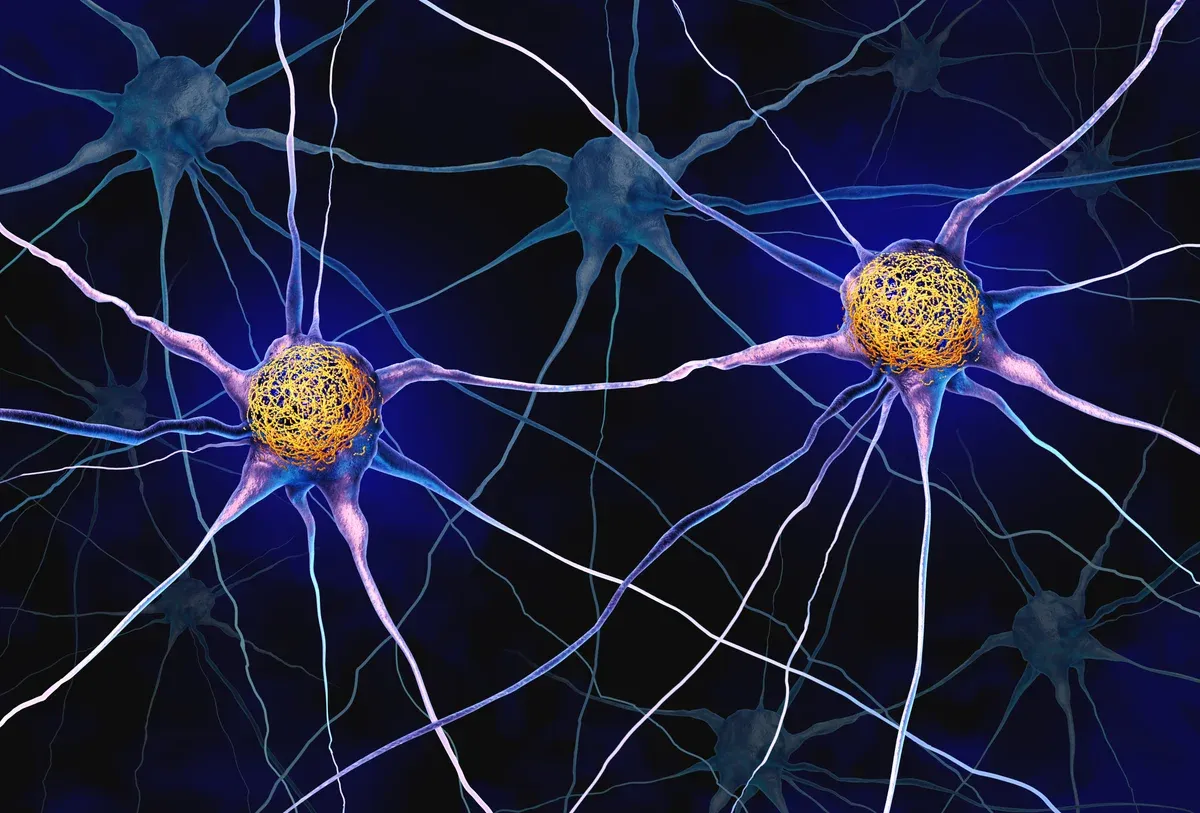
Researchers have unveiled a first-of-its-kind blood test for CTE, the neurodegenerative disease that has historically been confirmed only by examining brain tissue after death, with validation in larger trials still required. For sports leagues, insurers, the military, and biotech investors, a validated living-patient test would create the first practical route to earlier diagnosis, cleaner clinical trials, and a re-pricing of long-tail brain-injury risk.
Researchers have unveiled a first-of-its-kind blood test for CTE, the neurodegenerative disease that has, until now, been confirmed only after a patient dies. That is the whole ballgame. Chronic traumatic encephalopathy has been diagnosable in living people only by inference: a history of repetitive head impacts, a cluster of symptoms that can look like depression, memory loss, or a mood disorder, and a clinician's best guess. The definitive answer has historically come from a neuropathologist's microscope, examining brain tissue donated after death. The new test, if it holds up, moves that answer from the morgue to the clinic.
The caveat is real, and the researchers are not hiding it: the test still needs validation in larger trials before it can be used in practice. That is the gate every diagnostic has to clear, and plenty have failed at it. But the direction of travel is what matters here. The work is being described as a "watershed moment" for the field, and the reason is not the test itself. It is what a living-patient diagnosis makes possible for the first time: research you can actually run on people who are still here.
CTE is associated with repetitive head impacts, the kind that accumulate in contact sports, military service, and anywhere a brain gets rattled repeatedly over years. For context, the disease has been linked in research to athletes in football, boxing, hockey, and soccer, and to veterans exposed to blast injuries. Its symptoms overlap heavily with conditions doctors already know how to look for, which is exactly the problem. Alzheimer's, depression, post-traumatic stress, and other neurodegenerative diseases can present in similar ways. Without a biomarker, a physician treating a 45-year-old former player has typically been left to treat the symptoms and guess at the cause.
That is why the blood test matters more to drug development than to the doctor's office, at least at first. Neurodegenerative disease is where pharmaceutical money goes to die, and a big part of the reason is enrollment. You cannot run a clean trial on patients you cannot identify, and you cannot tell whether a drug slowed a disease you never confirmed the patient had. A validated blood test changes the arithmetic. It gives sponsors a way to screen, stratify, and measure. It gives regulators an endpoint that is not simply "wait and see." And it gives families an answer years earlier than a brain bank ever could.
The audience for this is wider than neurology. Professional leagues and their governing bodies have spent years managing concussion risk under public pressure and legal threat. Insurers and life underwriters price long-tail risk on incomplete information. The military has its own version of the problem, with blast exposure and a population that is young, healthy, and hard to track over decades. Player unions and athlete advocates have argued for years that the absence of a living diagnosis let institutions treat the disease as an abstraction. A blood test turns an abstraction into a number on a chart.
The commercial path from here is well-worn but unforgiving. Diagnostics typically advance through progressively larger validation cohorts, with regulators generally requiring evidence that a test performs accurately in the population it will actually be used on, not just in a carefully selected research sample. False positives in a disease this stigmatized carry real costs: anxiety, career consequences, insurance implications. False negatives are worse. So expect years of replication work, and expect the first commercial uses to be narrow, likely in research settings and specialty clinics rather than a routine annual physical.
Here is the uncomfortable part. A test that diagnoses CTE does not treat it. There is currently no approved therapy that reverses or halts the disease, which means the first patients to receive a positive result will get information without a prescription. That is a genuine ethical problem, and it is also the commercial opportunity: the moment you can identify patients early, the incentive to build drugs for them goes from theoretical to fundable. The test is not the product. The test is the key that unlocks the product.
For executives watching this space, the takeaway is about timing. Sports organizations, insurers, employers with high-exposure workforces, and biotech boards should all be modeling a world where CTE is diagnosable in living adults within the next several years, not decades. That world carries liability implications, workforce implications, and clinical trial implications, and none of them wait for the final validation study. The researchers have cleared the first gate. The larger trials are next, and everything downstream, from drug pipelines to league policy to what a doctor tells a 30-year-old linebacker, waits on them.
This story's Key Insights and Take-aways are locked.
Create a free account to unlock Executive Actions for one credit.
Register to UnlockAlways free for Executives Club members. Join the Club
More in Science

Anthropic's I.P.O. Made Rank-and-File Researchers Worth Tens of Millions
Researchers who joined just a few years ago are now worth tens of millions, and the windfall resets the pay benchmark for every private A.I. lab still paying in paper.

Sea Lion Culling Strategy Fails: New Model Says Killing Them Won't Save Salmon
The latest research from AAAS overturn a long-held conservation assumption, forcing policymakers to rethink critical resource allocation in marine ecosystems.

Microplastics do more than pile up: they react with water to damage cells
Scientists have found that plastic particles can generate highly reactive molecules in water, a mechanism that could explain links to heart attacks, strokes, and neurological disorders.