
Robert Pattinson Is James Bond, and the Royal Family Just Weighed In
The six-name shortlist is dead, a secret October screen test flipped the race, and a royal reaction has turned a casting call into a cultural event.
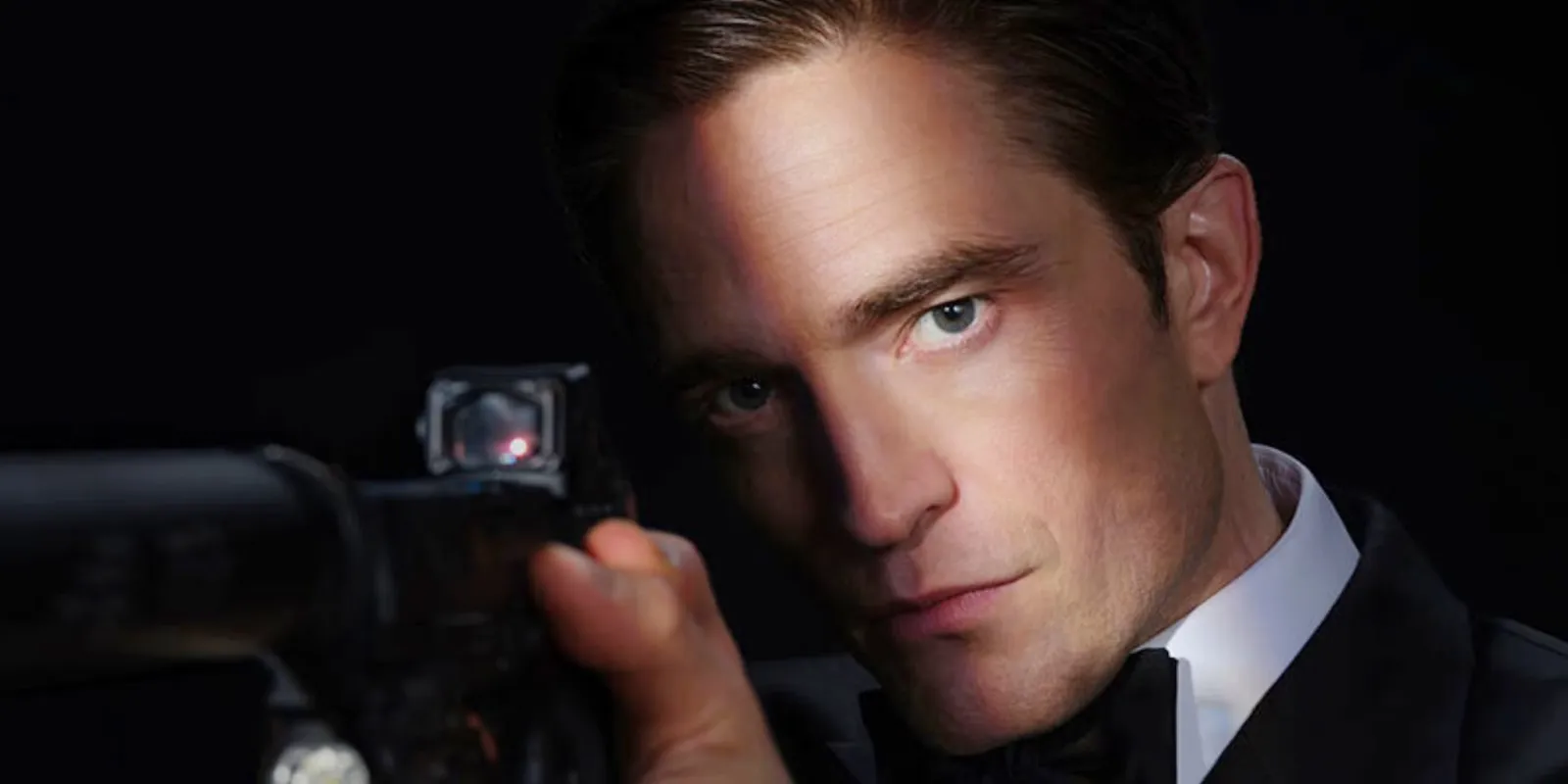
Robert Pattinson has been announced as the next James Bond, five years after Daniel Craig's final turn in No Time to Die, and the British Royal Family has officially reacted to the casting. For executives, the episode is a masterclass in succession as product launch: the visible shortlist was theater, the real decision came from a private screen test, and the reaction is doing the marketing.
Robert Pattinson is the next James Bond, and the British Royal Family has officially reacted to the casting, according to Collider. That is the headline, and it lands five years after No Time to Die closed Daniel Craig's defining chapter as 007. Five years is a long time in franchise math. Long enough for the shortlist to churn, for rumors to harden into assumed fact, and for an entire generation of British actors to be measured against a role played by a tiny handful of performers across six decades. The wait is over. The successor has been announced, and the reaction that followed did not come from a trade paper or a studio press release. It came from the Palace.
Just weeks before the announcement, the race looked settled. Reports had narrowed the field to six names: Josh O'Connor, Jack Lowden, Callum Turner, Jacob Elordi, Paul Mescal, and Harris Dickinson. That is a shortlist built for the internet: a mix of prestige-TV breakouts, rising film leads, and at least one actor already carrying a global franchise on his shoulders. Then came word of a secret screen test in late October, and a new name entered the race in earnest. Pattinson. The lesson for anyone who tracks casting, hiring, or succession: the shortlist you can see is rarely the shortlist that decides.
The royal reaction is the part that turns a casting decision into a cultural event. Historically, the British Royal Family does not weigh in on who plays a fictional spy. The Palace comments on state occasions, charities, and the occasional cultural milestone. Bond sits in a strange category: he is fiction, but he is also, for many, a piece of British soft power exported to every market on earth. When the institution that represents the country reacts publicly to a casting call, it signals that the role is being treated as something closer to a national appointment than a job. That is the endorsement. Not a brand deal. Not a magazine cover.
For context, Bond is not just a character. He is one of the most durable pieces of intellectual property in entertainment, a franchise that has historically been run as a family enterprise and, more recently, has sat inside a much larger corporate structure after Amazon's acquisition of MGM brought the library under one roof. That matters because the next Bond is not only a creative decision. He is a balance-sheet decision. A new lead resets the marketing calendar, the merchandising pipeline, the theme-song negotiations, and the release strategy. Studios typically plan Bond films years out, which means the actor chosen today is effectively the face of a multi-film commitment, not a one-off.
The six names who did not get it are now part of the story too. O'Connor, Lowden, Turner, Elordi, Mescal, and Dickinson all got the most valuable kind of audition: a public one, conducted in trade reports and fan threads, that raised their profiles whether or not they ever land the part. That is the strange economics of a Bond search. Losing it can still be a career accelerant. For agents and managers, the takeaway is that being on a leaked shortlist for a marquee role is its own form of currency, and it tends to convert into bigger offers.
Pattinson's path to 007 is its own case study in career strategy. He arrived as a teen-franchise lead, then spent years deliberately choosing smaller, auteur-driven projects that rebuilt his critical standing, before stepping into another global franchise role. That combination, mass-market recognition plus art-house credibility, is exactly the profile a modern Bond needs. The character has to work in Beijing, Lagos, Sao Paulo, and Leicester Square. He has to sell a watch and carry a three-hour runtime. Very few actors can do both halves of that job. The shortlist was full of people who could do one.
The strategic stakes extend past the film. Bond is a template for how legacy IP gets renewed: keep the brand, change the face, and let the announcement itself become the marketing. Every studio sitting on a dormant franchise is watching this playbook. So are the brands that attach to Bond, the cities that host premieres, and the streamers that will eventually bid for the back catalog. For executives in any industry built on a flagship product, the lesson is blunt. Succession is not an HR process. It is a product launch, and the reaction to it, royal or otherwise, is part of the launch.
This story's Key Insights and Take-aways are locked.
Create a free account to unlock Executive Actions for one credit.
Register to UnlockAlways free for Executives Club members. Join the Club
More in Entertainment

GTA 6 banks $3.8bn in one day, torching every launch record
One game just out-earned every video game launch and every single-day film box office haul in history, and the fallout lands on every media CEO's forecast.

GTA VI Racked Up $3.79 Billion in a Single Day, Topping Every Film Ever
A 13-year wait produced a $3.79 billion day, more than any movie has made in its entire run, and it resets the launch math for every studio, streamer, and brand chasing the same attention.

GTA 6 sells 32.5M pre-sales and $3.79B day one, torches 13-year record
Rockstar's sequel didn't just beat Grand Theft Auto V's 13-year-old benchmark; it reset what a launch can be, with 32.5 million pre-sale copies and $3.79 billion in a single day.