
Robert Pattinson Is James Bond. The Leaked Shortlist Was Wrong.
The seventh 007 came from outside October's reported final three, and the divided reception is now the first real test of the franchise's new era.
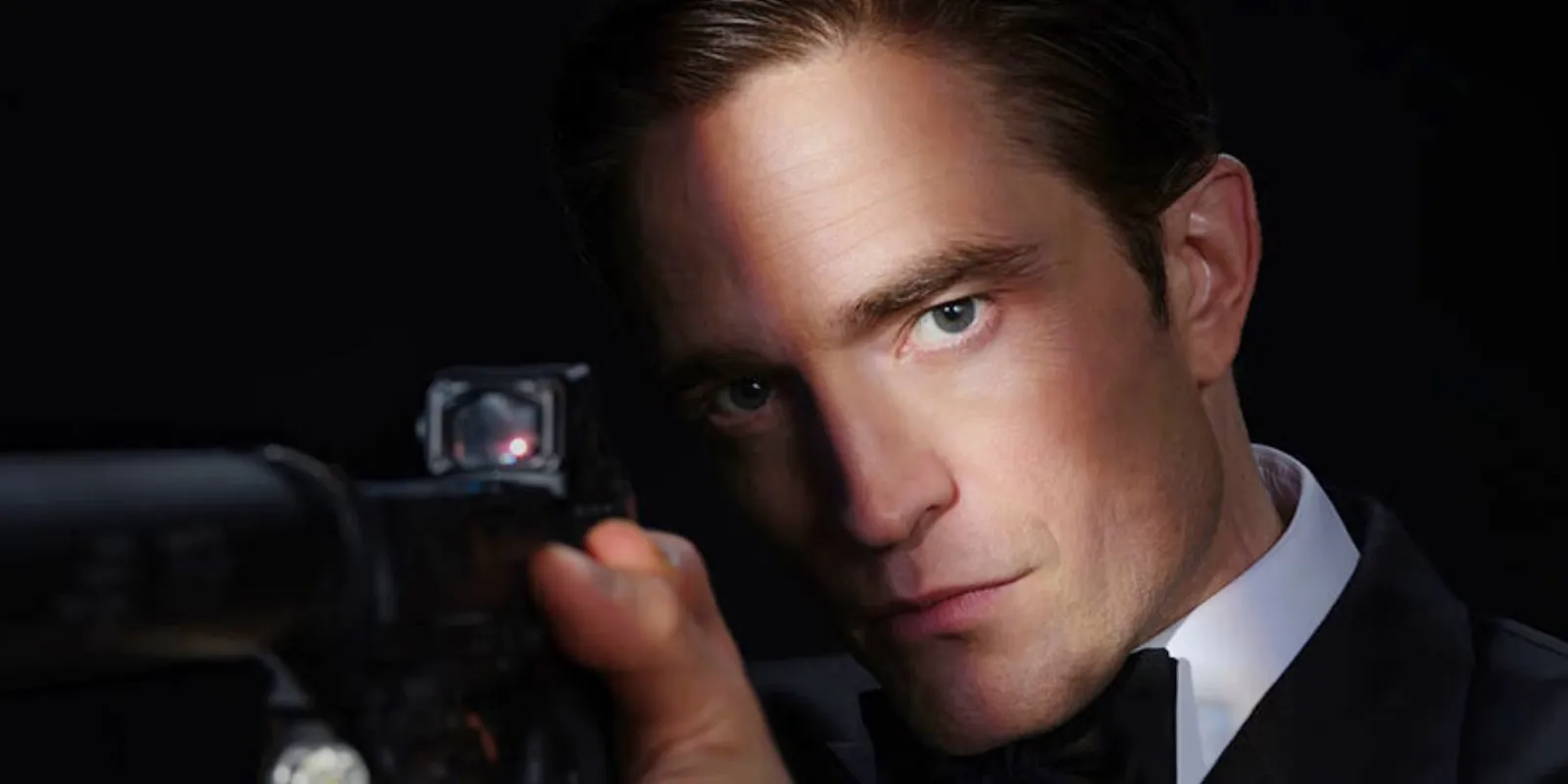
Robert Pattinson has been cast as James Bond, the seventh actor to lead the official 007 franchise, after October reports pointed to Callum Turner, Josh O'Connor and Jack Lowden as the final candidates instead. For decision-makers, the episode is a clean case study in how leaked shortlists, agency signaling and split public reaction shape the perceived value of a long-lived asset before a single frame is shot.
Robert Pattinson is James Bond. The announcement landed yesterday, making him the seventh actor to lead the official 007 franchise, after Sean Connery, George Lazenby, Roger Moore, Timothy Dalton, Pierce Brosnan and Daniel Craig. The shock was not that a bankable star said yes. It was that almost nobody had him on the board: October reports had narrowed the field to Callum Turner, Josh O'Connor and Jack Lowden, and Pattinson was not among them. The most scrutinized casting call in movies just came from outside the frame everyone was watching. The reception is already split, a former co-star has publicly weighed in, and a meaningful slice of fandom is not sold.
That gap between the reporting and the result is the real story for anyone who trades in information. Casting shortlists are the movie business's version of a pre-earnings leak: useful, directional, frequently incomplete and sometimes actively misleading. Agencies push clients' names into the conversation, studios let a list breathe to test heat, and the final call can happen in a room nobody briefed. Whether October's list was accurate at the time or a convenient shadow, the outcome is the same: the market priced one result and the announcement delivered another. The only people who looked wrong were the ones who treated a shortlist as a decision.
Pattinson has been here before. When he was cast as Batman in 2019, the backlash was loud, immediate and rooted almost entirely in Twilight muscle memory. The Batman arrived in 2022 and the conversation changed. That is the pattern the Bond decision is now leaning on: a vocal, online, extremely confident reaction with roughly a two-year shelf life before a trailer resets it. It is also worth remembering that the loudest voices at announcement time are rarely the largest group. They are just the fastest.
Because Bond is not a normal role. It is a piece of intellectual property managed with near-comical caution for six decades, and the stakes around it are structural rather than artistic. For context: creative control of the franchise moved to Amazon MGM Studios in early 2025, with longtime stewards Michael G. Wilson and Barbara Broccoli stepping back from creative oversight. That handover makes this the first Bond casting of a new era, and first decisions in new eras get read as signals whether they are meant as one or not. Daniel Craig's final outing, No Time to Die, arrived in 2021 and grossed north of $770 million worldwide under pandemic-era cinema conditions. A franchise that size does not cast for surprise. It casts for a decade.
Which is why the Pattinson pick reads less like a gamble than a hedge. He is in his late thirties, which puts him inside the window where a three or four picture run is physically plausible, and he carries the two things a modern tentpole needs: broad recognition and genuine arthouse credibility earned across a decade of working with directors who do not make franchise movies. The transferable lesson is about optionality. The best casting decisions do not maximize approval at announcement; they maximize room to be interesting three films in.
The reaction economy is already running. A former co-star of Pattinson's has weighed in publicly, fan forums are split, and the whole cycle is behaving exactly as casting news now behaves: announcement, backlash, counter-backlash, trailer, reset. Studios have learned that this sequence is survivable and occasionally useful, because argument is distribution. What it is not is a forecast. The audience that fills theaters in year one of a Bond run is not the audience posting about it in the first 48 hours.
The operational blanks are still blank. The report did not name a director, a start date or a release window, and those three variables will shape the franchise's economics more than any reaction thread. Historically, Bond installments have arrived every two to four years, and long gaps cost momentum with younger viewers who were not in the room when Casino Royale reset the tone. Whoever lands the director's chair inherits a franchise that has been successfully rebooted before, which is both the opportunity and the pressure.
For anyone outside film, the transferable pattern is this: institutions holding valuable, long-lived assets optimize for continuity, and continuity frequently looks like a surprise from the outside. The leaked shortlist was the consensus. The casting was the decision. The people who learn to tell those two apart early get to be right in public before the trailer lands.
This story's Key Insights and Take-aways are locked.
Create a free account to unlock Executive Actions for one credit.
Register to UnlockAlways free for Executives Club members. Join the Club
More in Entertainment

GTA 6 banks $3.8bn in one day, torching every launch record
One game just out-earned every video game launch and every single-day film box office haul in history, and the fallout lands on every media CEO's forecast.

GTA VI Racked Up $3.79 Billion in a Single Day, Topping Every Film Ever
A 13-year wait produced a $3.79 billion day, more than any movie has made in its entire run, and it resets the launch math for every studio, streamer, and brand chasing the same attention.

GTA 6 sells 32.5M pre-sales and $3.79B day one, torches 13-year record
Rockstar's sequel didn't just beat Grand Theft Auto V's 13-year-old benchmark; it reset what a launch can be, with 32.5 million pre-sale copies and $3.79 billion in a single day.