
Rockstar Buried a 2006 Sony E3 Gaffe Inside GTA 6
The homage is not a side quest but a random discovery in Leonida, and it shows why hidden jokes are the cheapest distribution a launch can buy.
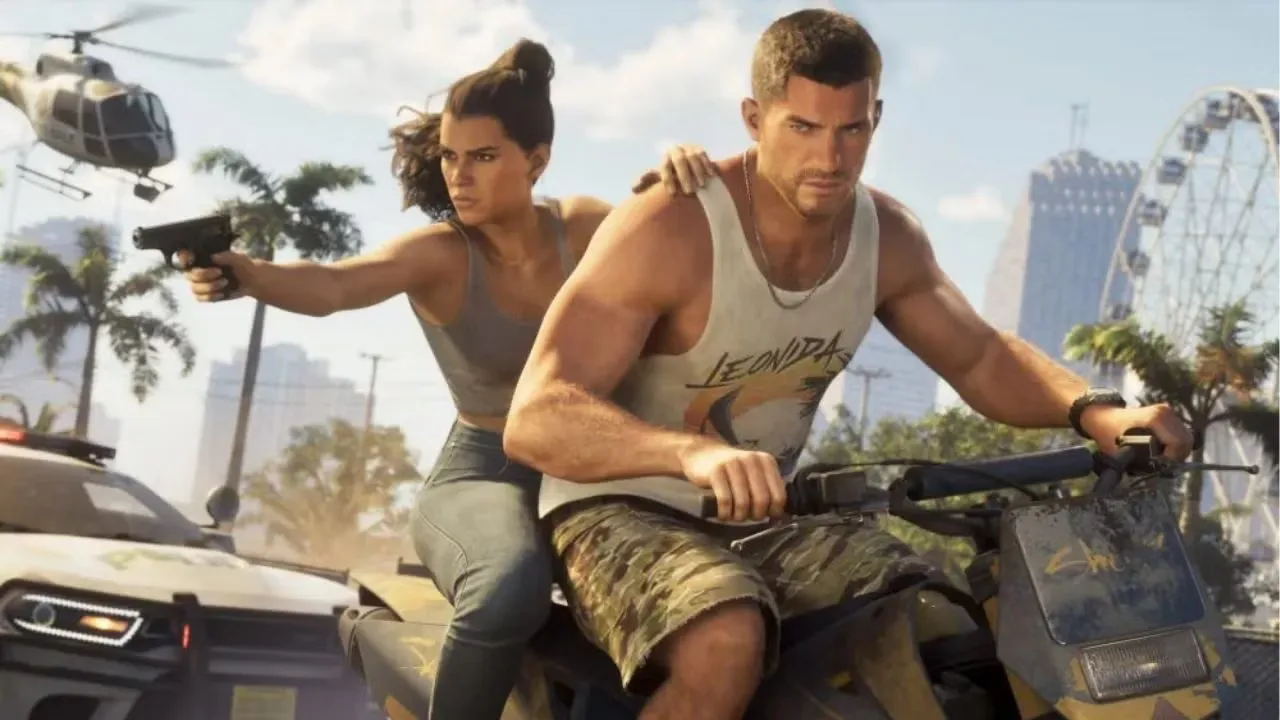
Rockstar's Grand Theft Auto 6 has shipped with a hidden homage to a cringe-worthy moment from Sony's E3 2006 press conference, buried in the open world rather than staged as a side quest. For executives in gaming, media, and consumer tech, the takeaway is that discoverable cultural references convert players into distributors and stretch a launch's earned-media tail far past the marketing budget.
Rockstar's Grand Theft Auto 6 is finally here, and somewhere inside its version of Leonida there is a joke at Sony's expense. The game contains an homage to a cringe-worthy moment from Sony's E3 2006 press conference, according to Polygon. That is the whole trick: it is not a side quest, not a mission marker, not a cutscene you cannot skip. It is a random discovery, the kind you stumble into while driving the wrong way down the right street. After years of waiting, the most anticipated game on earth has arrived, and one of its sharpest gags is aimed at a press conference that happened before a large chunk of its players were old enough to watch it live.
Why that detail matters more than it sounds. Rockstar's open worlds have always been dense with stuff, but GTA 6 pushes the density further: immaculately detailed environments, unexpected celebrity cameos, absurdly interactive NPCs, and radio stations stacked with all-time bangers and deep cuts. The E3 homage sits in that same layer of the game, and Polygon notes that many of these references are easy to miss. That is not sloppiness. It is design. A joke you have to find is a joke you tell someone else about, and the telling is where the value compounds.
For context, E3 was the video game industry's annual pilgrimage, a week when publishers rented out Los Angeles convention halls and staged live press conferences that were equal parts product reveal and theater. The 2006 edition is remembered less for hardware and more for awkwardness, the kind that aged into a meme instead of a memory. The show itself has since gone dark, its role absorbed by direct-to-camera streams and publisher-owned showcases. The clip outlived the conference. That is the strange arithmetic of internet culture: the moment that felt embarrassing in the room becomes the asset that keeps paying, quietly, for two decades.
Now think about what a hidden reference actually does for a product this size. It converts buyers into distributors. Someone finds the gag, clips it, posts it, and a thousand people who already paid for the game feel like they got something new. Wikis fill in the blanks. Forums argue about whether it is a tribute or a jab. Streamers chase it live in front of audiences. None of that costs Rockstar a media buy, and none of it can be bought at the same credibility. In an industry where a single launch can carry a publisher's entire fiscal year, the cheapest marketing is the content players discover on their own and cannot resist sharing.
There is a small risk in the joke, and it is worth naming. Rockstar's games have long shipped on Sony's consoles, so the company is poking fun at a partner, not a stranger. Historically, that has been fine. GTA's satire has always been ecumenical, spraying everyone from politicians to fast-food chains to the music business, and the targets mostly absorb it because appearing in the game is a form of canonization. The E3 gag reads the same way. It lands less like an attack than a compliment with a smirk, which is exactly why it survives contact with the internet instead of curdling into a corporate apology.
Zoom out and the pattern is clear. GTA has spent two decades functioning as a pop-culture archive with a physics engine. Its radio stations curate real music. Its billboards parody real brands. Its NPCs quote real internet. GTA 6 continues that tradition, and the E3 reference is a small, telling entry: it treats a 2006 press conference as shared cultural property, the same way it treats a 1980s power ballad or a tabloid headline. For a generation that grew up online, that is the native language. Nostalgia is not decoration here. It is content, and content is the product.
The strategic lesson for anyone shipping into a crowded market is not "hide easter eggs." It is that cultural memory is inventory, and discovery is distribution. Rockstar did not need a new trailer to make a 2006 E3 moment news again. It needed a corner of a map and a player curious enough to look. For peers in gaming, media, and consumer tech, the question is uncomfortable and useful: what does your audience already remember fondly, and have you given them a reason to go find it again? The companies that answer that well get the thing money cannot reliably buy, which is people talking about you when you are not in the room.
This story's Key Insights and Take-aways are locked.
Create a free account to unlock Executive Actions for one credit.
Register to UnlockAlways free for Executives Club members. Join the Club
More in Entertainment

GTA 6 banks $3.8bn in one day, torching every launch record
One game just out-earned every video game launch and every single-day film box office haul in history, and the fallout lands on every media CEO's forecast.

GTA VI Racked Up $3.79 Billion in a Single Day, Topping Every Film Ever
A 13-year wait produced a $3.79 billion day, more than any movie has made in its entire run, and it resets the launch math for every studio, streamer, and brand chasing the same attention.

GTA 6 sells 32.5M pre-sales and $3.79B day one, torches 13-year record
Rockstar's sequel didn't just beat Grand Theft Auto V's 13-year-old benchmark; it reset what a launch can be, with 32.5 million pre-sale copies and $3.79 billion in a single day.