
Scouts warn £1m tourist levy could price kids out of camp
A proposed Visitors Levy would add £1m to Scout overnight trips, and the movement says some young people could be priced out of camps entirely.
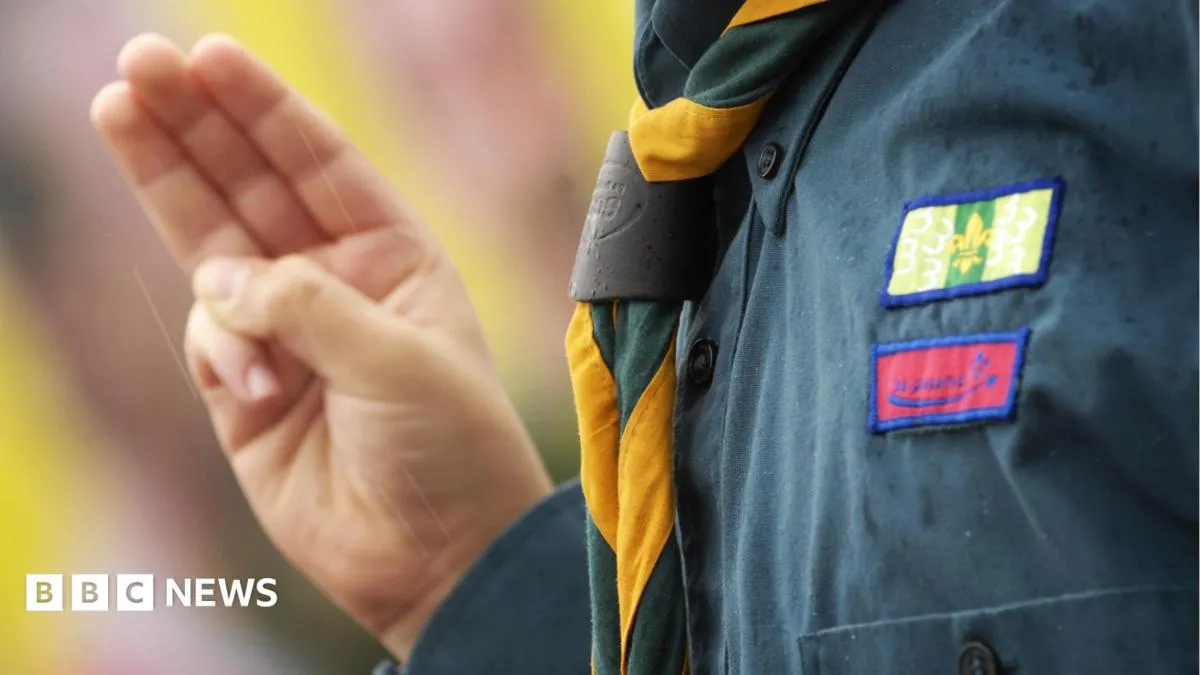
The Scouts say a proposed Visitors Levy would add £1m in costs to their overnight trips, warning that the increase could price some young people out of camps and other residential activities. For any organisation that books accommodation in bulk, from schools to sports clubs to event operators, the case is an early signal that per-night levies are a budget line to model now, not later.
The Scouts say a proposed Visitors Levy would land them with a £1m bill for overnight trips, and they are warning that the extra cost could price some young people out of camps and other residential adventures altogether. That is the headline number from the movement's position on the levy, and it is a big one for an organisation built on volunteers, subscriptions and fundraising rather than ticket revenue. The group's argument is blunt: add a per-night charge to every bed-night a Scout group books, and the total stops being a rounding error and starts being a barrier.
Start with what a Visitors Levy actually is, because the name hides the mechanics. A visitor levy is typically a small charge applied to overnight accommodation, collected by hotels, hostels, campsites and similar providers, then handed to the local authority to spend on local services and infrastructure. The pitch is simple and politically attractive: visitors use the roads, bins, toilets and rescue services, so visitors should help pay for them, rather than the cost falling entirely on residents who already fund local government through council tax. Versions of the idea have been spreading across the UK and Europe for years, and the design details, who pays, who is exempt, how it is collected, are where every fight happens.
For the Scouts, the design detail is the whole story. A per-night levy multiplies across every night booked, so a charge that looks trivial on a single hotel bill can become a seven-figure line item for an organisation that books accommodation at scale, across hundreds of groups, weekends and school holidays. The £1m figure is the movement's own estimate of what the levy would add to its overnight trips. Charities do not absorb that kind of increase quietly. They either raise prices, cut the number of trips, or shrink the subsidy that makes trips affordable in the first place.
That last option is the one that worries them most. Scout camps and residential trips are not luxury purchases; they are often the first time a child sleeps away from home, learns to pitch a tent, cook outdoors and lead a team. Many groups run on thin margins and rely on fundraising, grants and volunteer time to keep costs down for families who could not otherwise afford it. If the price of a weekend away rises, the families most likely to drop out are the ones the movement has spent decades trying to reach. The Scouts' warning is that a levy aimed at tourists could, in practice, fall on children.
There is a broader pattern here that anyone running a membership organisation should recognise. Visitor levies are popular with councils because they raise money from people who cannot vote in the next local election. They are unpopular with the accommodation sector, which becomes an unpaid tax collector and wears the customer's annoyance at check-in. And they are quietly awkward for every organisation that books beds in bulk: schools, sports clubs, cadet forces, faith groups, choirs, university societies and event organisers. None of them look like tourists. All of them buy the same bed-nights.
The likely battleground is exemptions. Schemes of this kind usually end up with carve-outs, for business travel, for long stays, for particular types of accommodation, or for specific categories of guest. Whether youth groups and educational trips get one is a political choice, not an economic inevitability. The Scouts' £1m estimate is best read as an opening bid in that argument: a number big enough to force the question into the room before the rules are written.
For decision-makers, the lesson generalises well beyond camping. Any organisation with a budget line for accommodation should be modelling per-night levies now, because the direction of travel is one-way and the arithmetic is unforgiving. A £1 or £2 nightly charge sounds like nothing until it is multiplied by every night, every delegate, every team offsite and every residential. The organisations that get this right will be the ones that price it in early, negotiate exemptions while the scheme is still being designed, and can tell their members exactly what changed and why.
The Scouts have done the thing that works in these fights: they have put a specific, human number on an abstract policy. £1m is the cost. The consequence, in their telling, is a child who does not go. Whether the levy's architects accept that framing will determine not just what a Scout camp costs next summer, but how every youth organisation in the country budgets for the one after.
This story's Key Insights and Take-aways are locked.
Create a free account to unlock Executive Actions for one credit.
Register to UnlockAlways free for Executives Club members. Join the Club
More in Politics

Cybersecurity Was an Afterthought for Decades. AI Is Now Sending the Bill
The internet's vulnerable code was never fixed, and AI is finding it faster than anyone can patch it, turning decades of technical debt into a live balance-sheet risk.

Hannity vows to name GOP lawmakers skipping votes before the majority expires
A prime-time host is turning the House attendance sheet into a public scoreboard, and Speaker Mike Johnson is sitting right next to him while the Republican majority runs out of days.
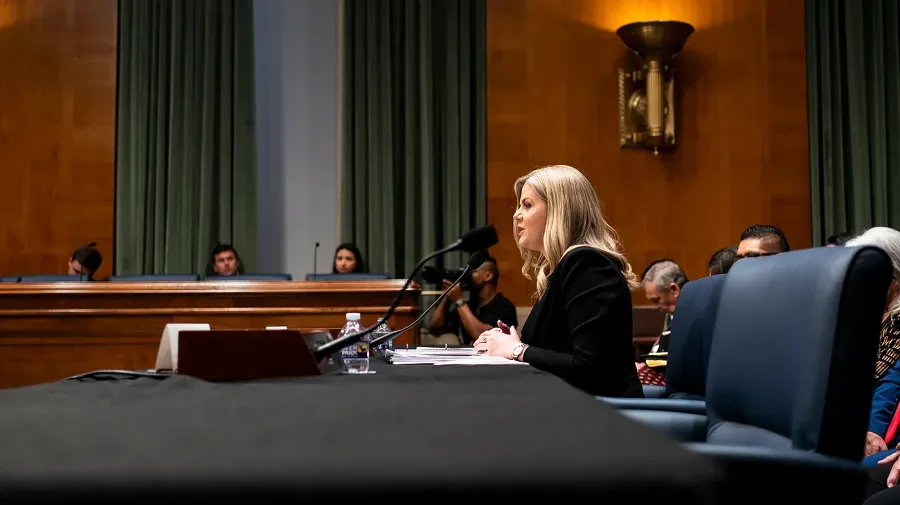
White House yanks FDA nominee, blindsiding senators and extending a six-month vacuum
Heidi Overton's abrupt withdrawal leaves the FDA without a confirmed commissioner six months after the last one resigned, and the Senate committee that would vet a replacement found out at the last minute.