
White House yanks FDA nominee, blindsiding senators and extending a six-month vacuum
Heidi Overton's abrupt withdrawal leaves the FDA without a confirmed commissioner six months after the last one resigned, and the Senate committee that would vet a replacement found out at the last minute.
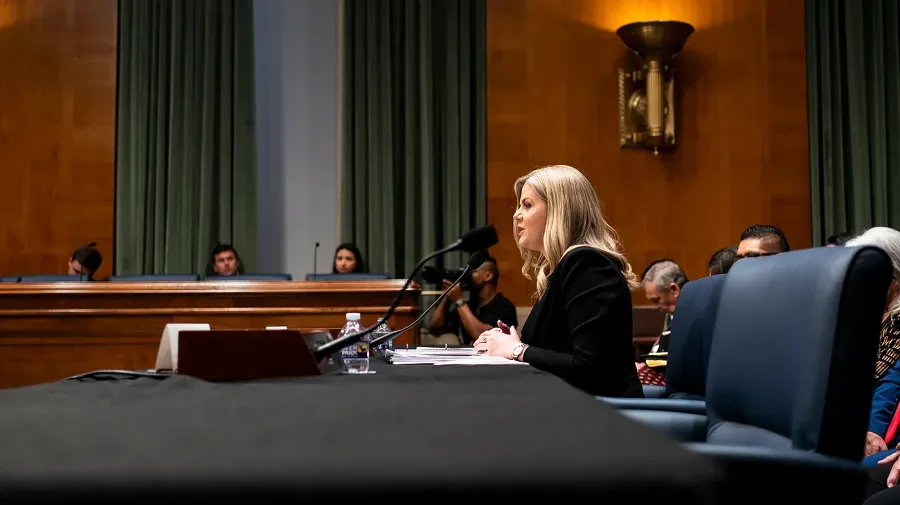
The White House abruptly withdrew Heidi Overton as President Trump's nominee to lead the Food and Drug Administration, catching senators including Senate Health committee chair Bill Cassidy (R-La.) by surprise. The agency now has no clear path back to confirmed leadership six months after the previous commissioner resigned, leaving drug, device, and food companies planning against an open-ended regulatory vacuum.
The White House abruptly withdrew Heidi Overton as President Trump's nominee to run the Food and Drug Administration, a last-minute reversal that caught senators by surprise this week and leaves the agency without a confirmed commissioner six months after the previous one resigned. The pull came with no clear public explanation and landed on Capitol Hill with little warning. Sen. Bill Cassidy (R-La.), who chairs the Senate Health committee, was among the lawmakers caught off guard.
That is the part that matters more than the personnel drama: there is now no clear end to the leadership vacuum at the agency that decides which drugs, vaccines, and medical devices Americans can buy. Industry observers are anxious, and the anxiety is rational. The FDA is not a backwater regulator. It signs off on new medicines, polices much of the food supply, oversees tobacco products, and sets the review clocks that determine whether a biotech's science ever becomes a product a patient can get. When the top chair is empty, the whole pipeline feels it.
For context on why the vacancy is not a formality: the FDA commissioner is a Senate-confirmed position, which means the job carries authority an acting chief typically does not. A confirmed commissioner sets review priorities, hires and holds senior staff, signs off on major guidance, and speaks for the agency both in public and with Congress. Acting leaders, historically, are caretakers. They keep the lights on, but they tend to avoid the long-horizon calls that companies plan around, from enforcement posture to how aggressively the agency pushes new pathways for experimental treatments. That distinction is the difference between a regulator that moves and one that waits.
The withdrawal also scrambles the confirmation math. Nominees for a post like this are normally vetted through the Senate health committee before they ever reach the floor, and a withdrawal at this stage typically forces that process to restart from zero. That is time the administration does not have if it wants a confirmed commissioner seated soon. Cassidy's surprise is a signal in itself: the committee that would have to move a replacement did not see this coming, which means the next nominee starts cold, with no accumulated goodwill and no pre-built schedule.
For the companies that live and die by FDA decisions, the practical effects are the ones to watch. Drug and device makers build multi-year plans around review timelines, guidance documents, and inspection schedules. A leadership vacuum does not stop those processes, but it typically slows the discretionary parts of them: new guidance, pilot programs, and the kind of high-level prioritization that requires a confirmed chief to own the call. Investors price that uncertainty into regulatory risk, and boards respond by delaying filings, holding partnership decisions, or building extra slack into launch timelines. None of that shows up as a headline. It shows up as a quarter of lost momentum.
There is also a congressional dimension that outlasts any single nominee. The Senate health committee oversees the agency's budget, its user fee arrangements with industry, and its handling of high-profile safety questions. A committee chair who was blindsided by a withdrawal is a chair with questions, and those questions tend to surface in oversight letters and hearings rather than in quiet phone calls. For an agency already operating without a confirmed leader, added congressional scrutiny is a second front, not a distraction.
What happens next is genuinely unclear, which is the story. The White House could name a replacement quickly and try to compress the vetting timeline. It could elevate an acting leader and let the vacancy run. It could leave the seat open while it sorts out competing priorities. The source of the anxiety among industry observers is precisely this: no clear end. Six months in, the FDA has a functioning staff and an unfilled top job, and nobody outside the West Wing knows which of those facts changes first.
The strategic takeaway for executives in regulated industries is not to wait for clarity that may not arrive on your schedule. Career staff at the agency keep reviews moving, and companies that engage them directly tend to lose less ground than companies that pause until a commissioner is confirmed. Build a delay scenario into your planning, track the Senate calendar as closely as your own pipeline milestones, and treat regulatory timing as a variable you control around rather than a date you assume. The FDA's leadership question is now open-ended. Your planning should not be.
This story's Key Insights and Take-aways are locked.
Create a free account to unlock Executive Actions for one credit.
Register to UnlockAlways free for Executives Club members. Join the Club
More in Politics

Cybersecurity Was an Afterthought for Decades. AI Is Now Sending the Bill
The internet's vulnerable code was never fixed, and AI is finding it faster than anyone can patch it, turning decades of technical debt into a live balance-sheet risk.

Hannity vows to name GOP lawmakers skipping votes before the majority expires
A prime-time host is turning the House attendance sheet into a public scoreboard, and Speaker Mike Johnson is sitting right next to him while the Republican majority runs out of days.
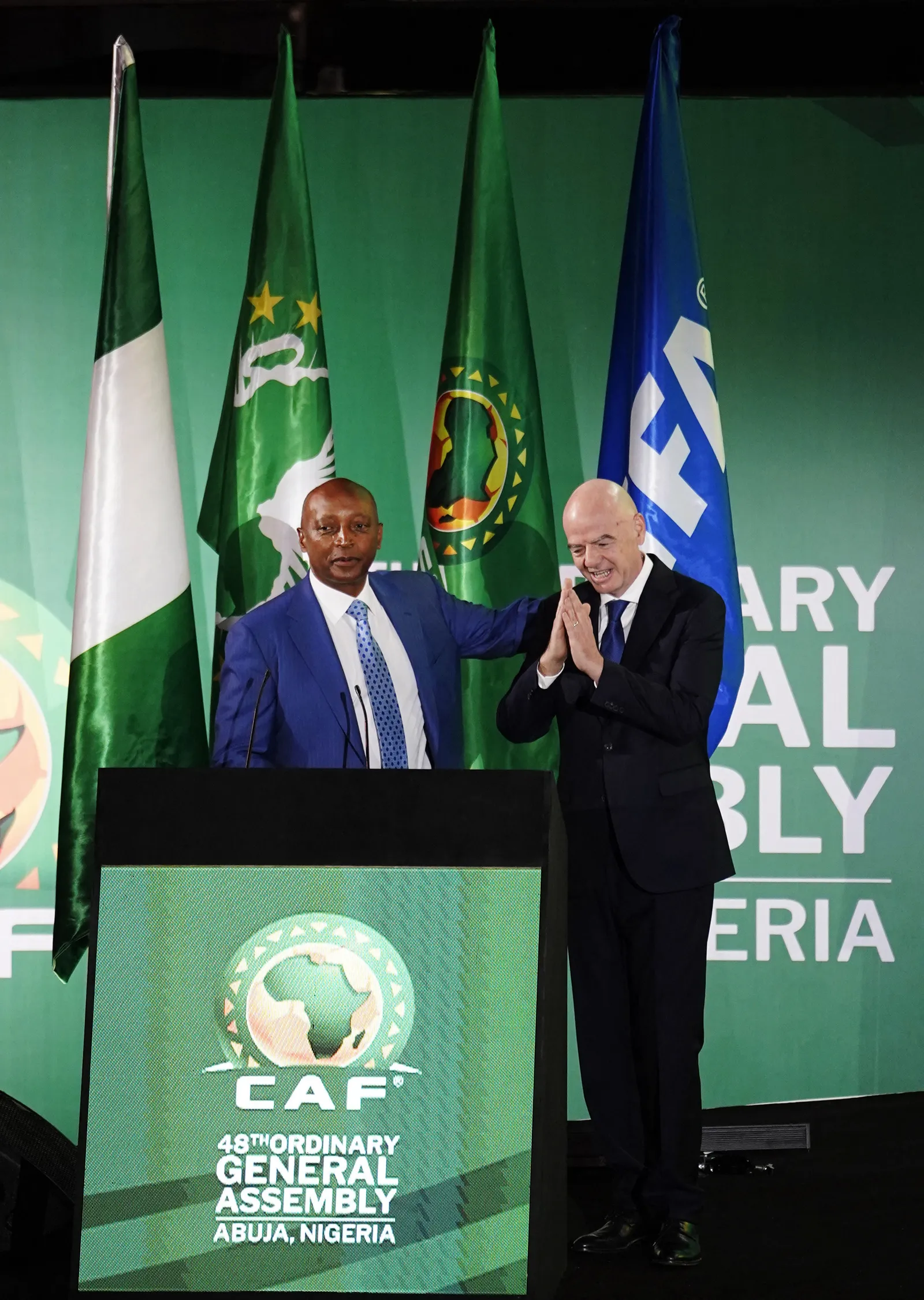
Motsepe Hands Infantino All 54 African Votes, With Rival Diallo in the Room
CAF's president used African football's biggest stage in Abuja to lock 54 votes behind Gianni Infantino, a blunt message to Philippe Diallo and Kozo Tashima about where the numbers already sit.