
SNL's 'Sister' sketch went viral. The $6,688-a-month bill it mocks is real.
A viral sketch turned America's unpaid family care system into a punchline, but the numbers behind it, 63 million caregivers, a $6,688 median home aide cost and 76% of age-75-plus households priced out, are a live risk for every employer with an aging workforce.
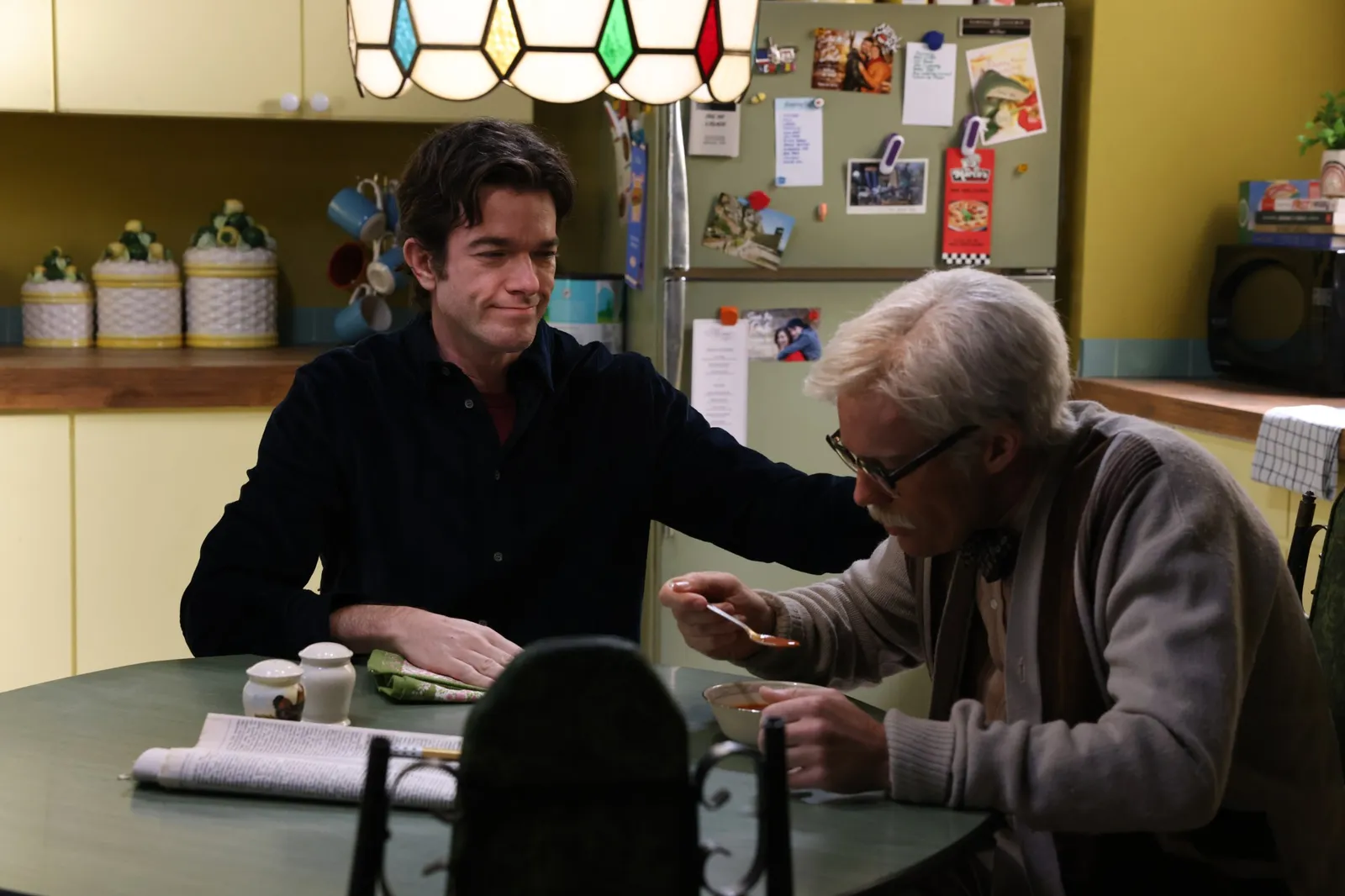
Jane Tavares and Marc Cohen of UMass Boston, writing for Fortune, use SNL's viral 'Sister' sketch to explain why Medicare generally will not pay for daily elder care, leaving families with a median $6,688 monthly home health aide bill. For executives, the consequence is a workforce risk that surfaces as reduced hours, turnover and stalled retirement contributions among the 63 million Americans already providing care.
Saturday Night Live's 'Sister' sketch, which first aired Nov. 15, 2026, has gone viral on a premise as brutal as it is simple: why pay for professional care for an aging parent when a daughter will do it for free? The joke lands because the price tag is not a joke. The national median cost of a home health aide ran about $6,688 per month, while residing in an assisted living facility averaged $6,141 per month in 2025. Annualized, that aide bill is roughly $80,000 a year, paid in installments out of a family's savings rather than an insurer's balance sheet.
The affordability math is worse than the sticker price suggests. A 2025 Harvard study found that 76% of households age 75 and older could not afford daily assistance from a home health aide after covering housing and basic living expenses. Meanwhile the pool of people doing that work unpaid keeps swelling: a 2025 report from AARP and the National Alliance for Caregiving counted 63 million Americans providing ongoing care to a family member or friend, an increase of nearly 50% over the past decade. About 61% of those caregivers are women. That is the gap the sketch walked straight into, and it is why the clip struck a nerve for millions of households.
The reason families, not insurers, absorb that cost is structural, and it traces back to 1965. Medicare, the federal health insurance program covering most adults 65 and older, was built to pay for medical care: hospitalizations, physician visits and certain home health services. It generally does not pay for ongoing care and assistance with everyday activities. Under Medicare's home health benefit, limited personal care may be covered only when a patient also qualifies for skilled nursing or therapy services following surgery or a medical emergency, and meets the program's homebound requirements. The consequence is stark. Someone over 65 can hold comprehensive coverage for medical treatment and still get almost nothing for bathing, dressing, preparing meals or getting to the bathroom.
Medicaid fills part of the hole, and it is the country's primary long-term care payer. Unlike Medicare, it can pay for personal assistance at home, and it covered nearly two-thirds of U.S. home care spending in 2023. Access, though, is gated. Eligibility generally requires meeting financial and other criteria that vary by state, and many older adults must exhaust most of their savings before qualifying. Even approval does not guarantee service: states have considerable discretion over the home-based services they provide, and many eligible people spend more than a year on waitlists. Whoever covers the gap in the meantime is usually family.
Finding paid help is its own obstacle. The nation's direct care workforce, home health aides and personal care assistants among them, faces persistent recruitment and retention challenges, and the authors flag that immigration enforcement and deportations could shrink it further: one-third of these workers are foreign-born. Pay explains a lot. The median hourly wage for direct care work was $17.99 in 2025, only $2 to $3 per hour more than what fast-food workers earned. That is a thin premium for physically demanding, emotionally heavy work, and it caps how quickly supply can respond to a demand base measured in tens of millions of households.
When paid care is unavailable, insufficient or unaffordable, relatives add hours. That decision compounds. Family caregivers may have to work fewer hours or quit their jobs, which reduces income immediately, whittles down retirement savings and can depress the Social Security benefits they eventually collect. The federal Family and Medical Leave Act provides eligible workers with up to 12 weeks of job-protected leave to care for certain family members, but the leave is unpaid, and caring for an older parent with chronic health conditions may continue for years after that leave runs out. Tavares and Cohen note a counterintuitive pattern: those who become caregivers initially have better health and financial status than noncaregivers, then experience relatively worse health and financial decline over time compared with their noncaregiving counterparts. Women, who are more likely to provide family care, carry a disproportionate share of that employment and financial risk.
States have been improvising around the gap. California, New Jersey and about a dozen other states have launched paid family leave programs. In New York and some other states, Medicaid is compensating family caregivers. Washington state is helping finance long-term care coverage. The biggest federal swing came in 2024, when then-Vice President Kamala Harris proposed expanding Medicare to cover more in-home assistance, an approach that would have addressed one of the main gaps in the current system. The proposal never moved beyond the campaign trail after Harris lost the 2024 election.
For executives, this is not a policy story that stays in Washington. Caregiving is a retention, productivity and retirement-plan issue already sitting inside the workforce. Employees quietly managing a parent's decline show up in the numbers as reduced hours, abrupt departures and 401(k) contributions that stop mid-career, often years before retirement. The authors' conclusion is the line worth repeating to a board: when public programs do not cover the care older adults need, the need does not disappear. The work, and its financial and personal costs, simply shift to someone else. More often than not, that someone is a daughter, and increasingly, that daughter is on your payroll.
This story's Key Insights and Take-aways are locked.
Create a free account to unlock Executive Actions for one credit.
Register to UnlockAlways free for Executives Club members. Join the Club
More in Science

Anthropic's I.P.O. Made Rank-and-File Researchers Worth Tens of Millions
Researchers who joined just a few years ago are now worth tens of millions, and the windfall resets the pay benchmark for every private A.I. lab still paying in paper.

Sea Lion Culling Strategy Fails: New Model Says Killing Them Won't Save Salmon
The latest research from AAAS overturn a long-held conservation assumption, forcing policymakers to rethink critical resource allocation in marine ecosystems.

Microplastics do more than pile up: they react with water to damage cells
Scientists have found that plastic particles can generate highly reactive molecules in water, a mechanism that could explain links to heart attacks, strokes, and neurological disorders.