
SpaceX IPO priced at $135, instantly making “buy” a real debate, not a vibe
SpaceX’s share price lands at $135 and forces investors to weigh valuation, liquidity, and regulatory reality.
SpaceX is going public at $135 a share. The pricing matters because it sets the valuation lens for everyone deciding whether to buy in, hold, or stay out.
SpaceX’s IPO is priced at $135 a share, and the question in the market is immediate: is that price a bargain, or a warning sign. The headline framing matters because $135 is not just a number you gloss over. It is the public-market “starting line” for a private-company story that has been, until now, mostly defined by private funding rounds, selective visibility, and investor faith.
What makes the $135 question high stakes is how it will ripple through the first day of trading and the weeks after. An IPO price is supposed to balance two conflicting pressures. On one side, companies want enough demand to reduce the risk of a weak open. On the other side, sellers and early backers want fair value, and the early price becomes an anchor for how new money thinks about future growth. When the market decides, it does not grade your pitch deck. It grades the valuation you put on the tape at the moment you open the door.
In public markets, the IPO “price discovery” story is often talked about like it is neutral, but it is not. It is a negotiation between expectations and reality, conducted in real time by buyers who can later argue about whether they were early, late, or just wrong. At $135, the market has effectively told itself what range it thinks SpaceX’s prospects deserve today. And because this is SpaceX, those prospects are tied to multiple big-ticket themes: launch cadence, satellite and services growth, and the long-term arc of technologies that the public associates with Elon Musk’s space ambitions.
There is also the regulatory backdrop that makes this moment bigger than a simple finance headline. When a company goes public, it enters a new level of disclosure, governance, and oversight. Public investors get periodic reporting and clearer structure around how the company is run, and that changes how risk is measured. In private markets, investors often price in opacity, and they negotiate protections contract by contract. In public markets, transparency is the product. That shift can reduce certain kinds of information risk while increasing the pressure for consistent performance.
For executives and boards, IPO pricing is more than a fundraising event. It is a strategic commitment that follows you. Once you are public, your quarterly results become the scoreboard that investors use to validate the valuation implied by the initial share price. If the early narrative is growth and scale, the company is expected to show progress quickly, not eventually. If the narrative is margin and efficiency, investors will look for cost discipline with the same intensity. Either way, the first public valuation becomes the baseline for future capital raises, hiring plans, and any acquisition or partnership strategy.
There is a subtle second-order effect that often gets missed: the IPO price shapes the investor base you attract. A company priced at $135 is signaling a certain level of confidence in near-term fundamentals, and that influences who wants to buy. Some investors prioritize “how cheap is it versus peers” comparisons. Others focus on long-run optionality and are more willing to tolerate volatility. The share price can tilt the mix toward one group or the other, and that changes how the stock behaves when markets turn.
So is it a buy at $135? The market debate will likely hinge on whether buyers think SpaceX can compound beyond what the IPO pricing already assumes. It will also hinge on how trading flows through the IPO process, how liquid the stock becomes, and how the market interprets early signals about execution. In short, $135 is the starting valuation for that debate. And for any executive, CFO, or board thinking about capital markets, it is a reminder that public trading is less about aspiration and more about accountability in the open.
This story's Key Insights and Take-aways are locked.
Create a free account to unlock Executive Actions for one credit.
Register to UnlockAlways free for Executives Club members. Join the Club
More in Business

SpaceX debuts Friday on Nasdaq at $135, surges to $160.95, valued near $1.8T
A Nasdaq opening pop turns SpaceX into a public company overnight, forcing new money questions fast.
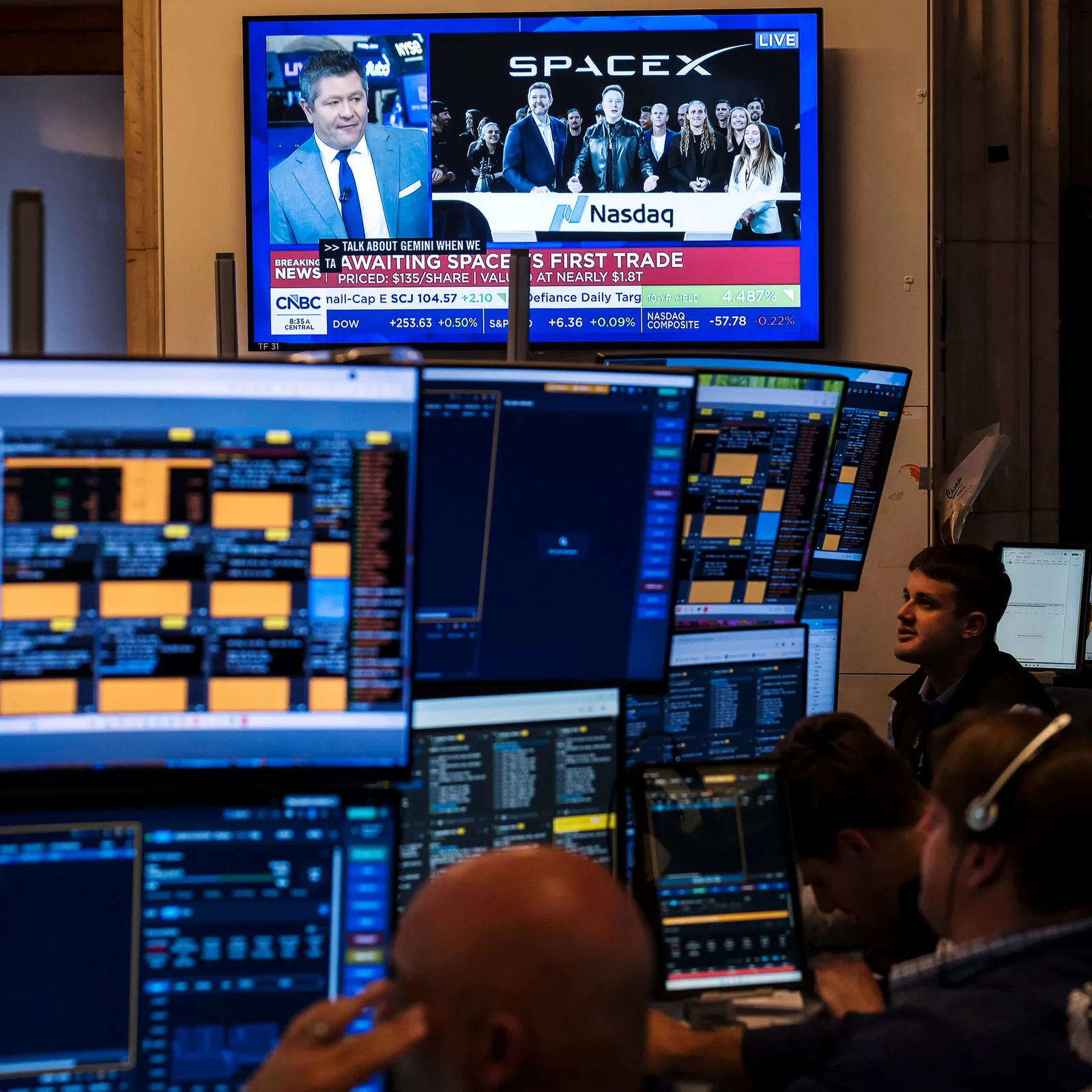
SpaceX shares jump 11% after its IPO, signaling a rush of AI mega-offerings
The biggest IPO ever in a crowded market just re-priced risk for the next wave: OpenAI and Anthropic.
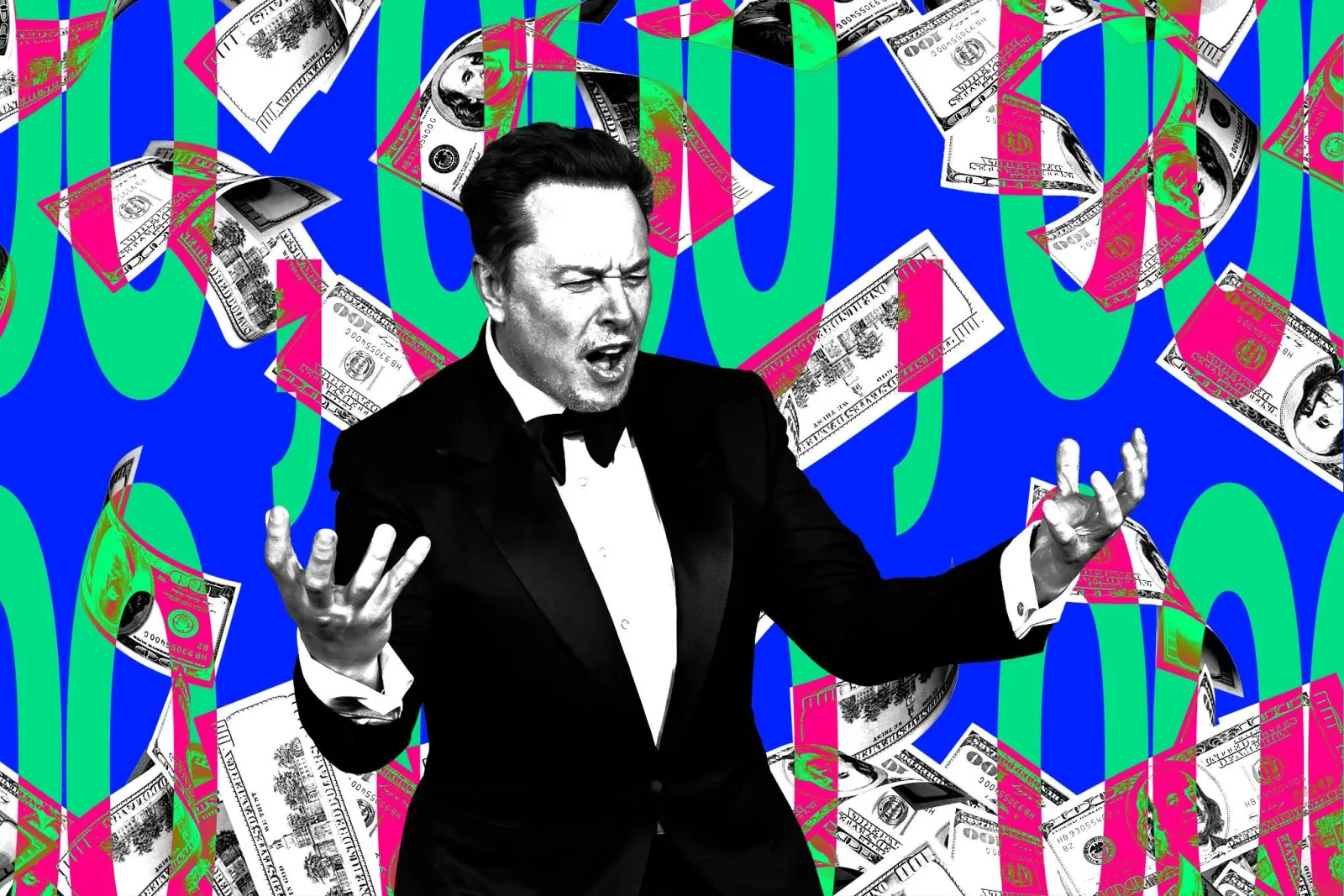
Elon Musk became the world’s first trillionaire after SpaceX IPO lifted him past $1T
SpaceX shares jumped, and Musk’s $800B pre-IPO value crossed a trillion, reshaping how investors price “moonshots.”