
SpaceX’s $1.77T IPO valuation faces new scrutiny over losses and burn
Skeptics are questioning whether Elon Musk’s rocket company can justify a blockbuster price tag.
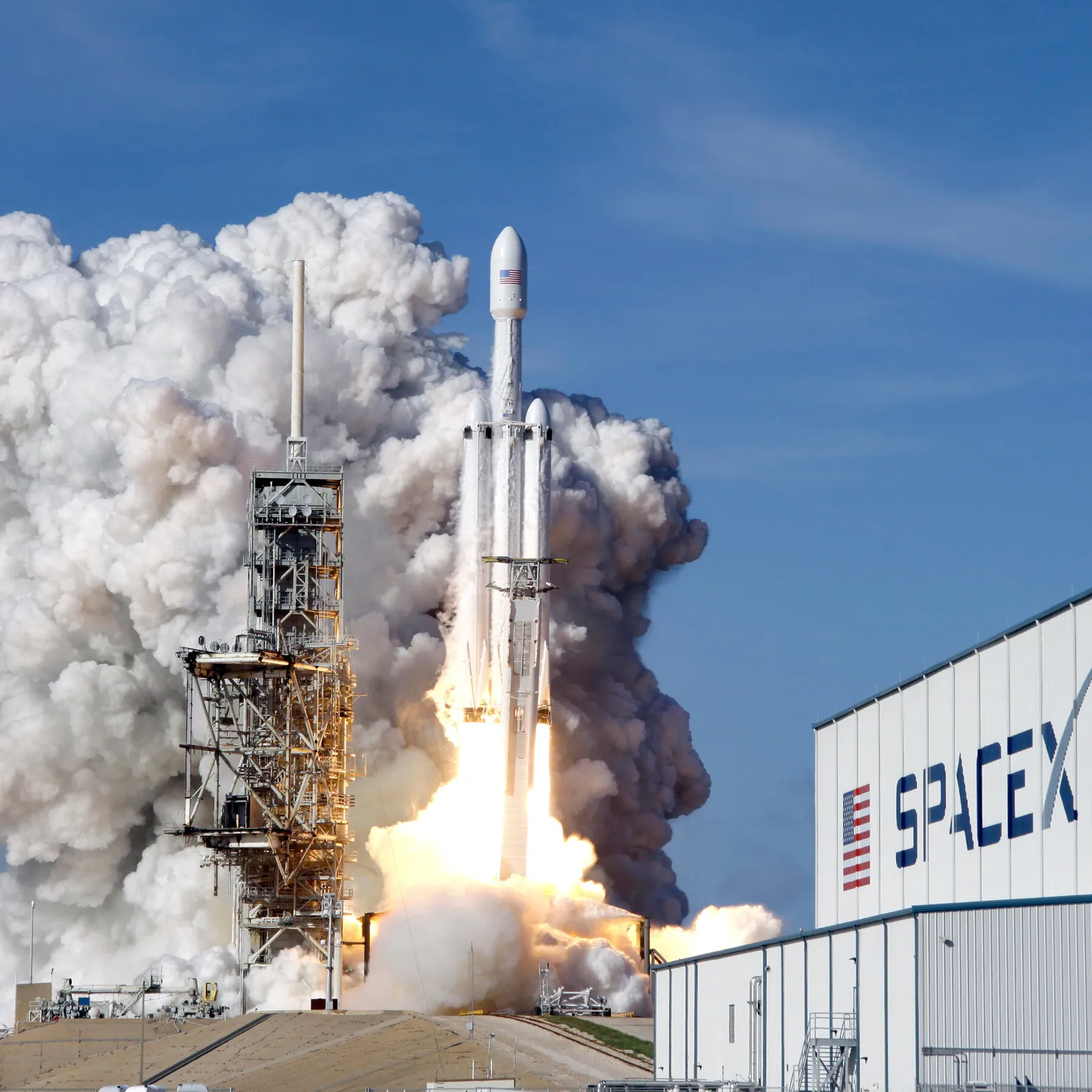
SpaceX, Elon Musk’s rocket company, is spending heavily and losing money as it pursues a blockbuster initial public offering valued at $1.77 trillion. The scrutiny matters because it forces investors and boards to decide whether future breakthroughs can outpace current financial burn.
SpaceX is being valued at $1.77 trillion, and skeptics are pushing back hard. The New York Times reports that the rocket company is spending big and losing money, and that those realities have sparked questions about whether it can justify that valuation in connection with its blockbuster initial public offering.
That headline number matters because public-market credibility is not built on potential alone. When a company with large, headline-worthy ambitions is simultaneously posting losses and scaling expenditures, the valuation becomes a bet on what comes next. Here, the bet is tied directly to SpaceX’s IPO price expectations, and the skepticism is rooted in the present-tense mismatch: spending is accelerating, money is flowing out, and profits are not keeping up.
To understand why this has become such a board-level issue, you have to zoom out to how IPOs get priced in the first place. IPO valuations in technology and capital-intensive industries often reflect a future path of revenue, margins, and market dominance. But that future path has to survive contact with scrutiny. In practice, that means investors ask whether losses are temporary investments that will later turn into durable cash flow, or whether they are structural costs that will keep dragging on returns.
SpaceX’s situation puts it right in the crosshairs of that question. A rocket business is expensive by nature: building hardware, launching payloads, scaling manufacturing, and competing for contracts all require serious upfront spending. If losses are the price of building capacity and proving reliability, that can be a rational trade. But the Times point is that skeptics are questioning whether SpaceX can justify the valuation it is targeting, given that it is both “spending big” and “losing money.” The emphasis on those two facts is doing a lot of work. It signals that the market is not debating whether SpaceX is ambitious. It is debating whether the current financial trajectory supports the current valuation.
There is also a governance and incentive layer to this that executives should care about. In an IPO, management and existing shareholders want a valuation that reflects long-term value creation. But boards have to balance that with investor protection, regulatory expectations, and the optics of growth that is not yet translating into profitability. If skepticism becomes widespread, it can affect not only the IPO pricing but also the post-IPO narrative. A high valuation that looks untethered from fundamentals can increase pressure to deliver fast, sometimes forcing strategy pivots that may not align with the original long-term plan.
Regulatory framing adds another twist, even if the source does not spell out specific filings or regulators by name. The reason capital markets are so sensitive here is that a company going public is effectively asking the market to trust its disclosure and its trajectory. Investors expect a clear bridge from today’s losses to tomorrow’s economics. In capital-intensive sectors, that bridge often includes milestones: launch cadence, contract wins, manufacturing scale, and eventual margin expansion. When the public discussion focuses on spending and losses instead of those milestones, it can suggest that the market does not yet see enough proof points to validate the valuation.
For decision-makers, the second-order impact is the signal value. SpaceX is not just a company trying to go public. It is a proxy for how investors price risk in the space economy and, by extension, how they value firms that combine high ambition with high burn. If skeptics can credibly argue that SpaceX is not yet worth a $1.77 trillion valuation because of ongoing losses, that logic can spread. Similar capital-intensive businesses, whether in defense-adjacent tech, satellite infrastructure, or next-generation manufacturing, may face tougher valuation assumptions until they show stronger profitability trajectories.
And for executives inside those peer companies, that is the strategic stake: the market can change how it prices your future before your future arrives. If enough investors conclude that “spending big and losing money” cannot support an IPO valuation, the cost of capital can rise and leverage can tighten. Even if the underlying technology is real, the valuation reality can determine whether growth plans can be funded on favorable terms. In that sense, the scrutiny around SpaceX is a live test of a broader capital-market question: how much loss and how much spending can be justified, and for how long, before the market demands numbers it can book today.
This story's Key Insights and Take-aways are locked.
Create a free account to unlock Executive Actions for one credit.
Register to UnlockAlways free for Executives Club members. Join the Club
More in Business

SpaceX debuts Friday on Nasdaq at $135, surges to $160.95, valued near $1.8T
A Nasdaq opening pop turns SpaceX into a public company overnight, forcing new money questions fast.
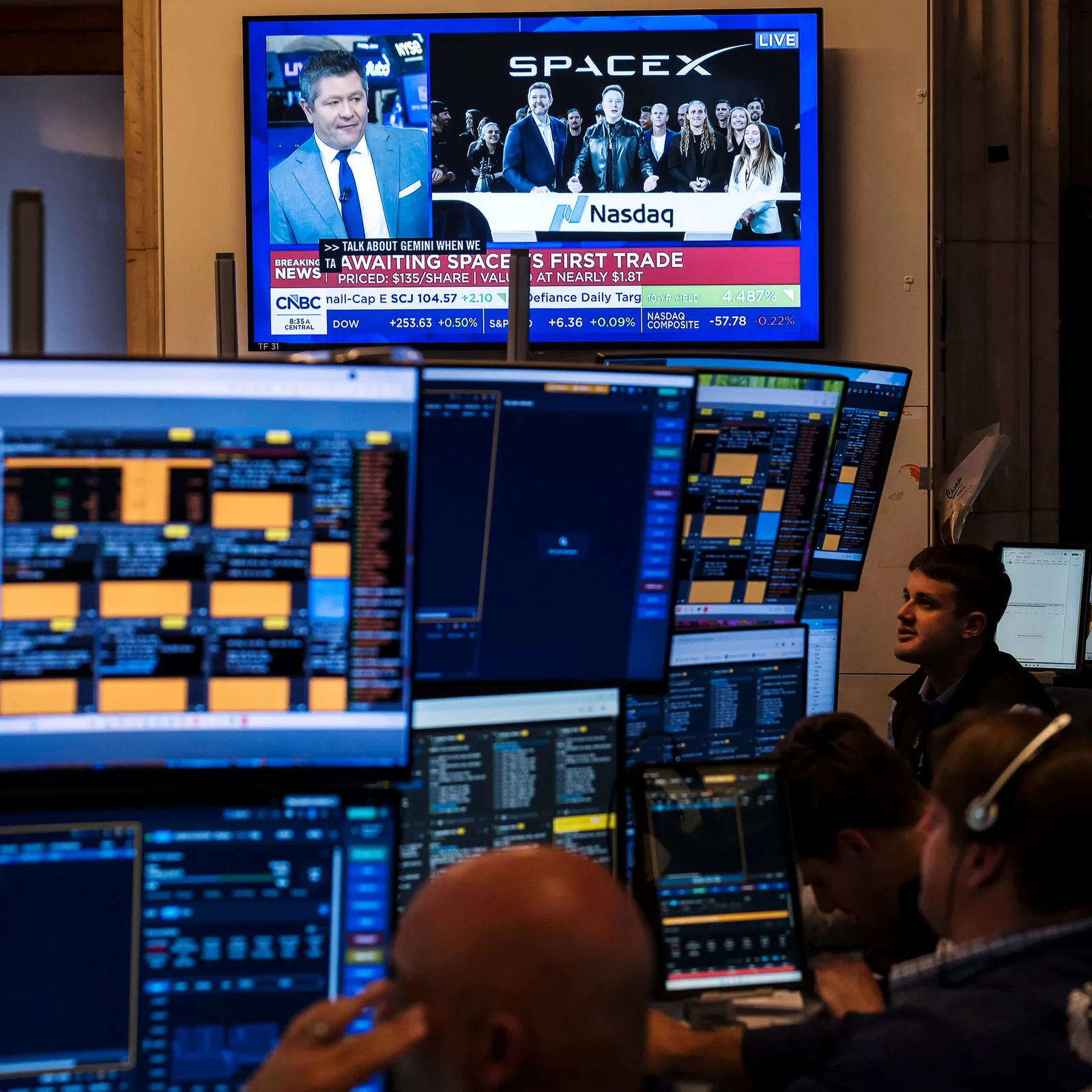
SpaceX shares jump 11% after its IPO, signaling a rush of AI mega-offerings
The biggest IPO ever in a crowded market just re-priced risk for the next wave: OpenAI and Anthropic.
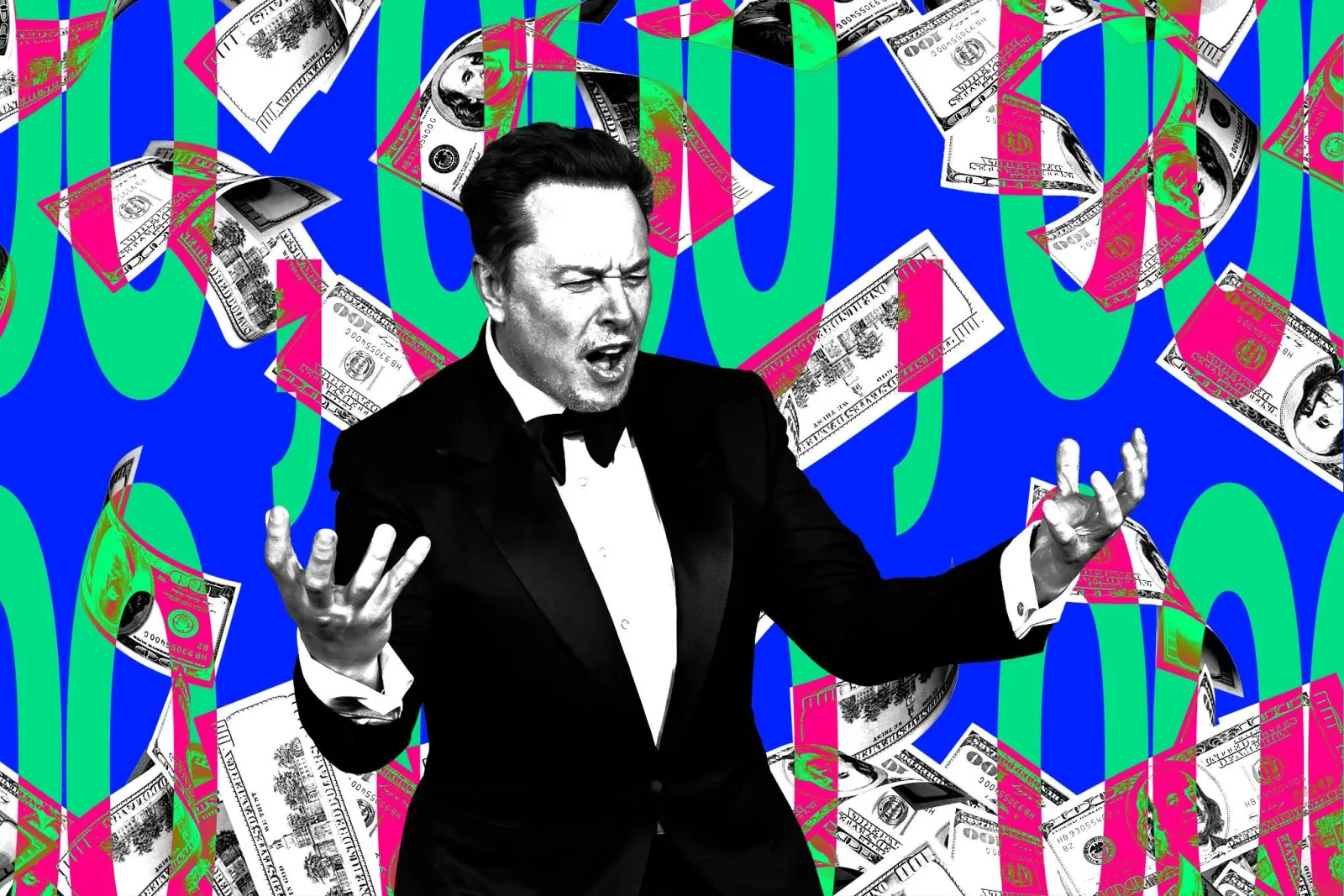
Elon Musk became the world’s first trillionaire after SpaceX IPO lifted him past $1T
SpaceX shares jumped, and Musk’s $800B pre-IPO value crossed a trillion, reshaping how investors price “moonshots.”