
SpaceX's Dragon undocks with a bioprinted blood vessel no rival can bring home
The CRS-35 capsule left the ISS at 12:05 p.m. EST carrying thousands of pounds of research, and it is the only freighter in orbit that survives the trip down.
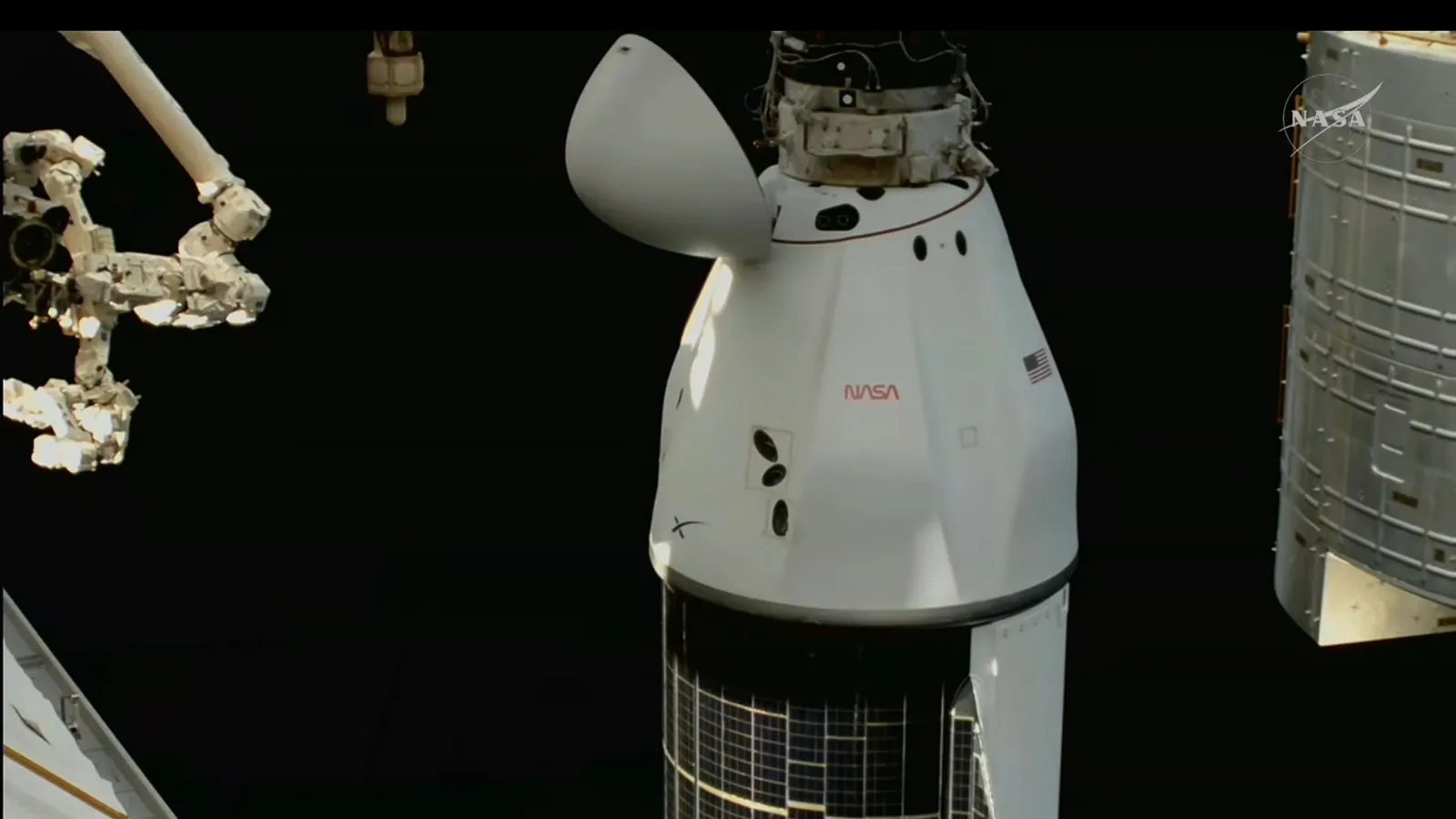
SpaceX's 35th Dragon cargo mission for NASA undocked from the International Space Station on Nov. 20 and is set to splash down off California on Nov. 21, carrying thousands of pounds of research that includes a 3D-bioprinted blood vessel construct. For anyone tracking commercial space, the flight is a reminder that return capability, not launch, is the scarce asset NASA is buying.
SpaceX's Dragon cargo capsule undocked from the International Space Station on Nov. 20 at 12:05 p.m. EST (1705 GMT), while the station and its departing freighter flew 260 miles (418 kilometers) above western China. Stuffed inside for the ride home: thousands of pounds of cargo, including a 3D-bioprinted blood vessel construct that scientists used to study vascular aging and cardiovascular disease in space and on Earth. That last detail is the one to hold onto. Dragon is the only cargo craft flying today that can bring anything back down at all.
If all goes according to plan, the capsule will splash down in the Pacific Ocean off the coast of California on Saturday, Nov. 21, at about 4:55 p.m. EST (2155 GMT). Do not set a reminder for a livestream, because there will not be one for reentry or splashdown. Even the departure webcast did not feature live footage of the moment of undocking, since it occurred during a gap in coverage of the high-bandwidth signal needed for video. The mission is called CRS-35 because it is the 35th that SpaceX has flown for NASA's Commercial Resupply Services program.
The Dragon launched Oct. 13 and arrived at the station on Oct. 15, delivering more than 6,300 pounds (2,860 kilograms) of food, scientific gear and other supplies to the astronauts aboard the orbiting lab. That is the routine half of the job, and it is a business NASA has now outsourced to private companies for well over a decade. The harder half is the trip back.
NASA officials framed the return in an update on Tuesday, Nov. 17. "Thousands of pounds of cargo are returning from the space station, including research samples that could advance future space exploration and improve life on Earth," they wrote. "The returning research includes a 3D-bioprinted blood vessel construct scientists used to study vascular aging and cardiovascular disease in space and on Earth," they added.
Here is the structural point. The other cargo vehicles flying today, Northrop Grumman's Cygnus, Russia's Progress and Japan's HTV-X, are all expendable. They burn up in Earth's atmosphere to wrap up their first and only spaceflight, and nothing they carry comes home. Dragon, by contrast, is built to survive reentry and land under parachutes, which makes it the station's only working freight elevator that runs in both directions. For context, NASA retired the Space Shuttle in 2011, and the loss of that vehicle's large downmass capability left the station dependent on a much smaller set of return options for years. The Commercial Resupply Services program was designed, in part, to buy that capability back from the private sector rather than own it outright.
The blood vessel construct is a clean example of why downmass is not a logistics footnote. Cardiovascular and vascular aging research in orbit works because microgravity stresses the human body in ways that are difficult to replicate on the ground, and biological samples are perishable. Tissue constructs, blood work and other living material typically have to come back quickly and intact to be worth anything, which means the value of the experiment is set by the return leg, not the launch. A capsule that burns up on the way down would erase the entire research budget behind it.
That asymmetry is the quiet commercial story. Launch capacity is increasingly commoditized, with multiple providers and multiple vehicles competing on price and cadence. Return capacity is not. For NASA, which is planning for the eventual end of the ISS and a future of commercially operated stations, the ability to move cargo and samples in both directions is a capability it will need to keep buying from someone. For SpaceX, it is a durable piece of leverage in a market where rivals can match the ride up but not the ride down. For the researchers and companies whose experiments ride along, it is a scheduling constraint that shapes what science is even possible to attempt.
Watch the splashdown window on Saturday afternoon, even without pictures. The capsule's return will close out CRS-35 and put a fresh batch of samples into labs on the ground, and it will quietly restate the same point the mission has been making since Oct. 13: in the cargo business, the hard part is not getting to orbit. It is getting back.
This story's Key Insights and Take-aways are locked.
Create a free account to unlock Executive Actions for one credit.
Register to UnlockAlways free for Executives Club members. Join the Club
More in Science

Anthropic's I.P.O. Made Rank-and-File Researchers Worth Tens of Millions
Researchers who joined just a few years ago are now worth tens of millions, and the windfall resets the pay benchmark for every private A.I. lab still paying in paper.
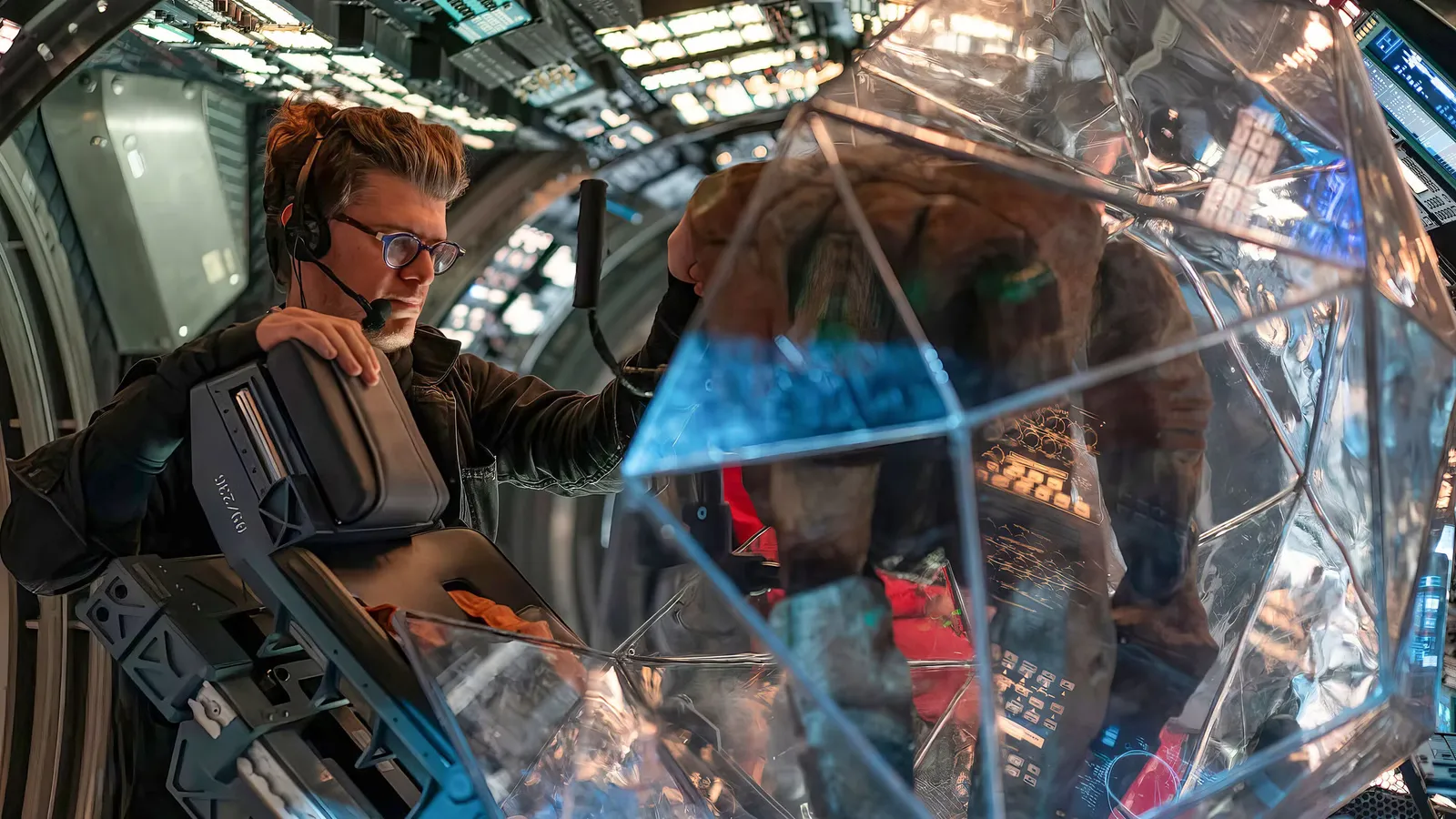
A Puppeteer Is Now Oscar-Eligible for Playing Rocky Opposite Ryan Gosling
James Ortiz's Best Supporting Actor eligibility at the 99th Academy Awards turns puppetry into an awards-season argument about credit, contracts, and who counts as talent.
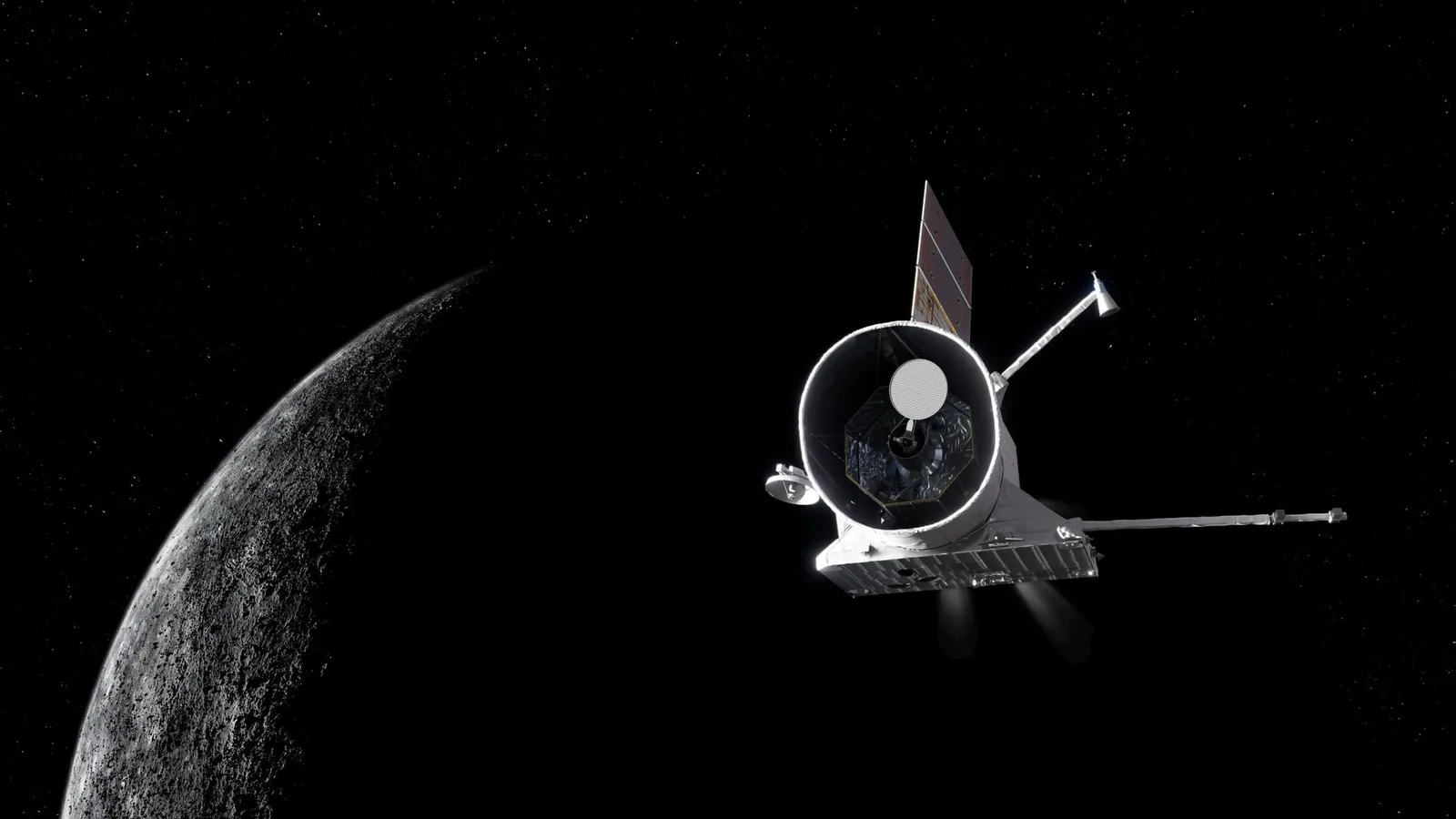
BepiColombo parks at Mercury after 8 years, 6 flybys and a solar panel scare
Europe and Japan just pulled off the hardest orbital insertion in the inner solar system, but the mission's real payoff, and its science, doesn't start until April 2027.