
Taylor Swift's Eras Collection Enters Boston's Museum of Fine Arts April 10
Starting April 10, the MFA show puts select Swift outfits, sketches, and memorabilia from across her discography in a fine arts setting, testing whether pop culture can draw museum crowds.
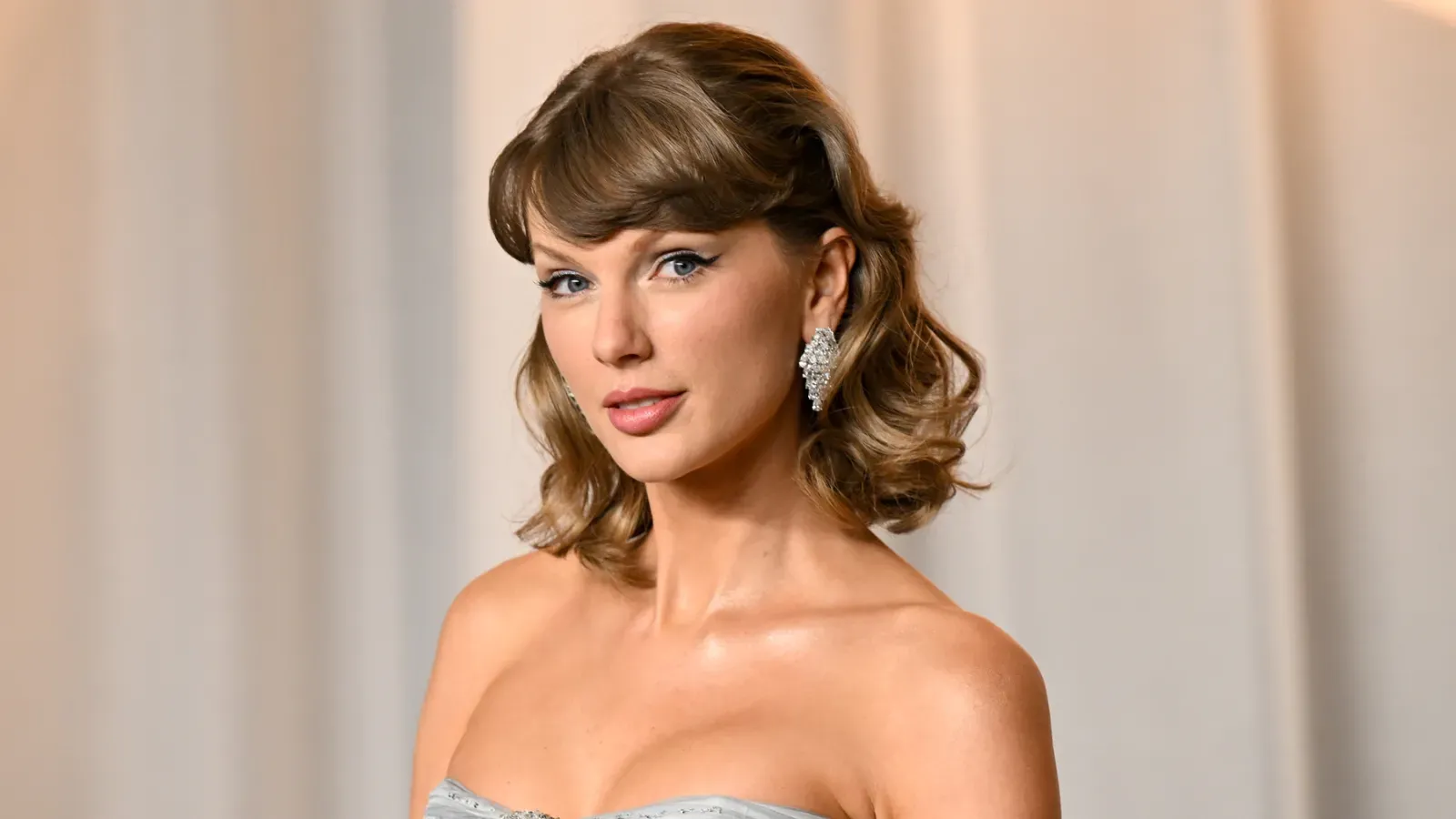
The Museum of Fine Arts, Boston will open “Taylor Swift: The Eras Collection” on April 10, displaying select outfits, sketches, and memorabilia from throughout Swift's discography. For cultural institutions and brand leaders, the exhibit is a live test of whether pop-star IP can drive museum attendance and membership without diluting curatorial identity.
Starting April 10, fans can see “Taylor Swift: The Eras Collection” at the Museum of Fine Arts in Boston. Rolling Stone reported the exhibit includes select outfits, sketches, and memorabilia from throughout Swift's discography. That is the whole fact pattern: a major fine arts museum is opening a show built around a living pop star's career artifacts, and the date is now on the calendar.
The headline promise is simple and true. This is not a concert, a pop-up shop, or a stadium tour stop. It is a museum exhibit. For fans, April 10 is the access date. For museum leaders, the MFA's move is a case study in how a traditional cultural institution uses a pop-culture juggernaut to pull new audiences through its doors. The first two paragraphs of any strategic read should answer the obvious question: what exactly is happening? The MFA is putting Swift's era-spanning wardrobe, sketches, and memorabilia into a fine arts context, and that context is the story.
Why does a fine arts museum do this? Museums have long used special exhibitions to drive attendance, membership, and retail activity. Blockbuster shows historically ranged from Impressionist retrospectives to fashion retrospectives, and they often serve as a bridge between core art audiences and casual visitors. A Taylor Swift exhibit fits that playbook, but with a sharper edge: the subject is not a historical master or a deceased designer. She is a current artist, not a historical figure, and her fan base is known for intense engagement. That combination can produce the kind of foot traffic and media attention that annual fundraisers struggle to match.
The exhibit's contents matter. “Select outfits, sketches, and memorabilia from throughout Swift's discography” is a deliberately broad description. It suggests the show will not be a single-album promotion or a costume display alone. It will trace a career arc. For fans, that means a physical journey through eras they have experienced digitally and in concert. For the museum, it means curating objects that might otherwise live in storage, private collections, or touring archives. The act of placing them in a museum reframes them as cultural artifacts. That reframing is where the strategic value sits.
For executives outside the art world, the MFA show is a reminder that audience attention is the scarcest asset. Sports teams, fashion brands, music labels, and media companies all sit on archives of moments, uniforms, sketches, and props. Most treat those assets as marketing collateral or nostalgia inventory. A museum exhibit can turn them into a ticketed cultural event with earned media. The MFA is not just hosting Swift. It is testing whether a pop star's archive can carry a fine arts institution's brand, and whether that brand can carry the pop star's commercial story in return.
Operationally, the details will decide the outcome. Special exhibitions typically require timed-entry ticketing, crowd-flow planning, security, insurance, and retail integration. A Swift show could draw local fans, traveling fans, school groups, and tourists. The MFA has not disclosed those specifics in the source summary, but the pressure points are predictable. If the exhibit is too small, demand will overwhelm capacity. If it is too commercial, critics will question curatorial seriousness. If it is too academic, fans may feel the magic is missing. The sweet spot is a show that feels both accessible and museum-grade.
The second-order effects reach beyond Boston. If the exhibit works, other museums may look at living artists, athletes, and creators as viable exhibition subjects. Auction houses and collectors may reassess the value of contemporary pop-culture artifacts. Brands may study how to convert fandom into cultural legitimacy. And the exhibit gives Swift's catalog another physical touchpoint with fans. The exhibit is not just a display. It is a proof point for a broader thesis: pop culture can be curated, and curation can be commercial.
The strategic stakes are clear for leaders in culture, entertainment, and consumer brands. The MFA's April 10 opening will be watched as a test of whether a fine arts museum can borrow a pop star's gravitational pull without losing its own identity. Fans will get access to outfits, sketches, and memorabilia. The museum will get attention. Peers will get a benchmark. The question for everyone else is whether they have an archive, a fandom, or a story that can be turned into a cultural moment worth leaving the house for.
This story's Key Insights and Take-aways are locked.
Create a free account to unlock Executive Actions for one credit.
Register to UnlockAlways free for Executives Club members. Join the Club
More in Entertainment

GTA 6 banks $3.8bn in one day, torching every launch record
One game just out-earned every video game launch and every single-day film box office haul in history, and the fallout lands on every media CEO's forecast.

GTA VI Racked Up $3.79 Billion in a Single Day, Topping Every Film Ever
A 13-year wait produced a $3.79 billion day, more than any movie has made in its entire run, and it resets the launch math for every studio, streamer, and brand chasing the same attention.

GTA 6 sells 32.5M pre-sales and $3.79B day one, torches 13-year record
Rockstar's sequel didn't just beat Grand Theft Auto V's 13-year-old benchmark; it reset what a launch can be, with 32.5 million pre-sale copies and $3.79 billion in a single day.