
Texas A&M Hemp Plant Has No Detectable THC
A Texas A&M AgriLife Research hemp plant produces no detectable cannabinoids, including THC, potentially reducing the risk that crops are destroyed for testing hot.

Scientists at Texas A&M AgriLife Research, part of The Texas A&M University System, have developed a hemp plant that produces no detectable cannabinoids, including THC. For operators and investors in hemp, cannabis, agriculture, and compliance, the development points to a possible route around crop destruction risk tied to THC testing.
Scientists at Texas A&M AgriLife Research, a member of The Texas A&M University System, have developed a hemp plant that produces no detectable cannabinoids, including THC. That is the headline fact, and it lands with unusual force in a crop where trace chemistry can decide whether a field is an asset or a write-off. The key phrase is 'no detectable.' Not low. Not trace. None detected. For an industry that has spent years wrestling with THC compliance, that is a different kind of claim.
The immediate payoff is risk reduction. The original report says the plant could potentially reduce the risk of crop destruction. That matters because hemp crops can be destroyed when they run afoul of THC rules. A plant that does not produce detectable cannabinoids, including THC, would not present the same testing risk. For farmers, that could mean less anxiety at harvest. For processors and buyers, it could mean fewer rejected loads. For lenders and insurers, it could mean a more predictable asset. The caveat is that the source does not say this plant is commercially available, field-tested at scale, or approved by regulators. It is a research development, not a market launch.
To understand why this is interesting, separate hemp from marijuana. Both are cannabis. Hemp is typically defined by low THC content, while marijuana is associated with higher THC. THC is the cannabinoid that produces psychoactive effects. Cannabinoids are the broader family of compounds, including THC and CBD. Hemp farmers grow the crop for fiber, grain, seed, and in recent years CBD. Regulators test crops because THC content determines legal status. If a crop tests hot, it can be destroyed. That is the risk the Texas A&M plant addresses.
A hemp plant with no detectable cannabinoids is unusual. In most cannabis plants, cannabinoids are part of the plant's natural chemistry. Breeders have worked for years to lower THC while preserving other traits. The Texas A&M AgriLife Research plant goes further: no detectable cannabinoids, including THC. That could make it a specialized tool for fiber and grain production, where cannabinoid content is not the point. It could also simplify compliance. But it likely is not a solution for CBD producers, because CBD is a cannabinoid. If the plant produces no detectable cannabinoids, it cannot be a meaningful source of CBD or THC. That is a key strategic distinction.
The regulatory backdrop is fragmented. Hemp rules vary by state and country, and testing protocols can differ. The source does not specify which rules the Texas A&M plant was designed for. But the core issue is universal: THC testing can create financial risk. A crop that tests above the limit may be destroyed, leaving the farmer with lost seed, labor, land, and time. A plant that avoids detectable THC could reduce that risk. It could also change how growers think about testing risk, even if the exact compliance path remains unclear.
For investors and executives, the development is a reminder that agricultural biotech can reshape compliance. The value is not just in the plant. It is in the supply chain that grows around it. Seed companies could license genetics. Farmers could plant lower-risk varieties. Processors could build dedicated fiber or grain lines. Insurers could underwrite with more confidence. Lenders could view hemp as less volatile. Testing labs could see demand shift. None of that is guaranteed by the source, but the direction is clear: if the THC risk falls, the economics of hemp improve for non-cannabinoid uses.
The strategic question is whether 'no detectable cannabinoids' becomes a feature or a limitation. For fiber and grain, it is a feature. For CBD and THC, it is a limitation. The Texas A&M AgriLife Research team has not announced commercialization, pricing, or regulatory approval. The source does not name the scientists or the specific method. That leaves open how scalable the plant is and whether it performs in real fields. But the proof of concept matters. It shows that hemp can be developed to avoid the compounds that trigger crop destruction.
The bottom line for decision-makers: watch this as a compliance and supply-chain story, not a cannabinoid story. If the plant holds up outside the lab, it could reduce one of the most expensive risks in hemp farming. That would matter to farmers, processors, insurers, lenders, and anyone building in the hemp economy. The source calls it a potential reduction in crop destruction risk. That is the promise. The next step is evidence at scale. Until then, the headline is real but the commercial impact is still a research question.
This story's Key Insights and Take-aways are locked.
Create a free account to unlock Executive Actions for one credit.
Register to UnlockAlways free for Executives Club members. Join the Club
More in Science

Anthropic's I.P.O. Made Rank-and-File Researchers Worth Tens of Millions
Researchers who joined just a few years ago are now worth tens of millions, and the windfall resets the pay benchmark for every private A.I. lab still paying in paper.
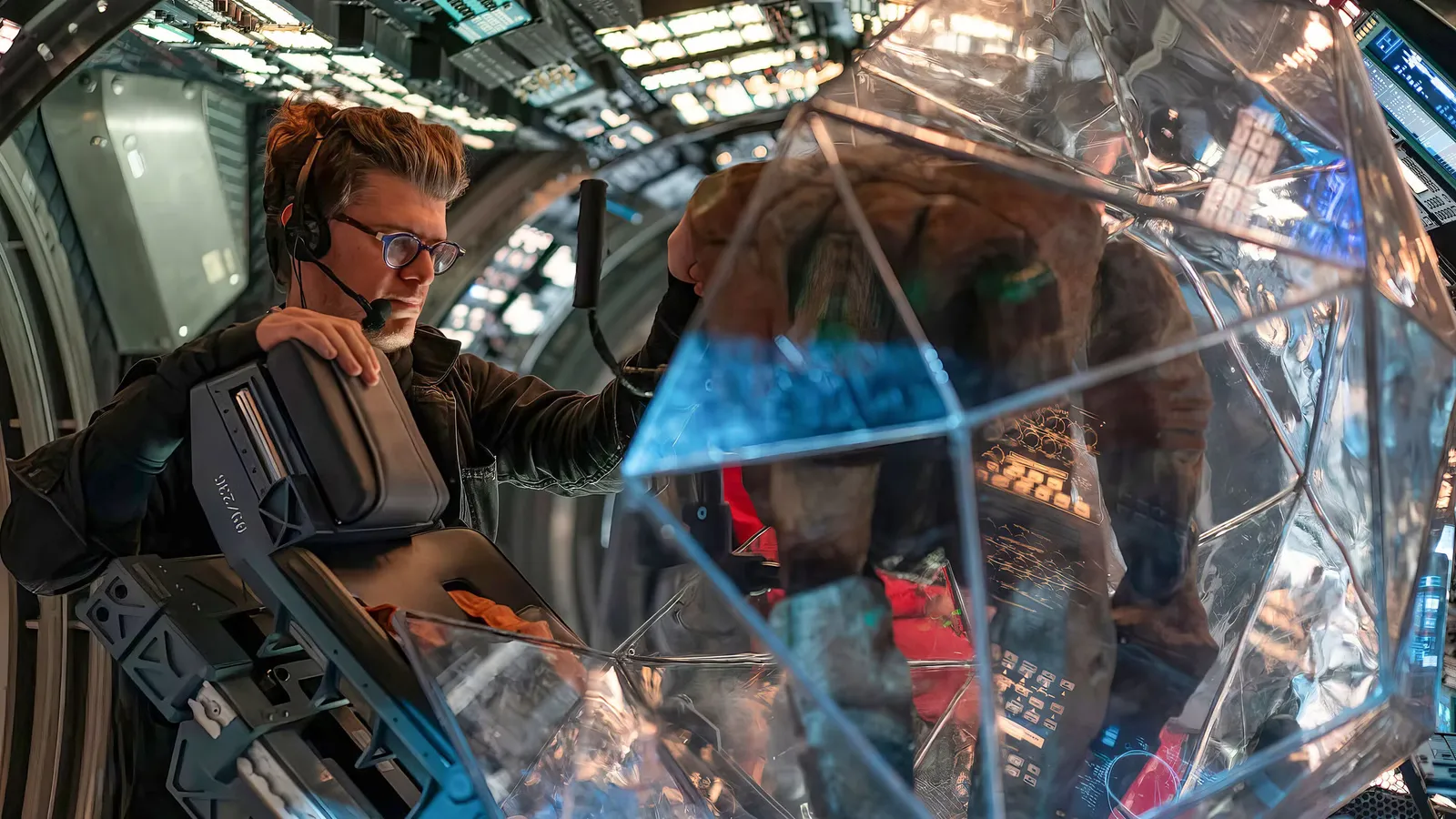
A Puppeteer Is Now Oscar-Eligible for Playing Rocky Opposite Ryan Gosling
James Ortiz's Best Supporting Actor eligibility at the 99th Academy Awards turns puppetry into an awards-season argument about credit, contracts, and who counts as talent.
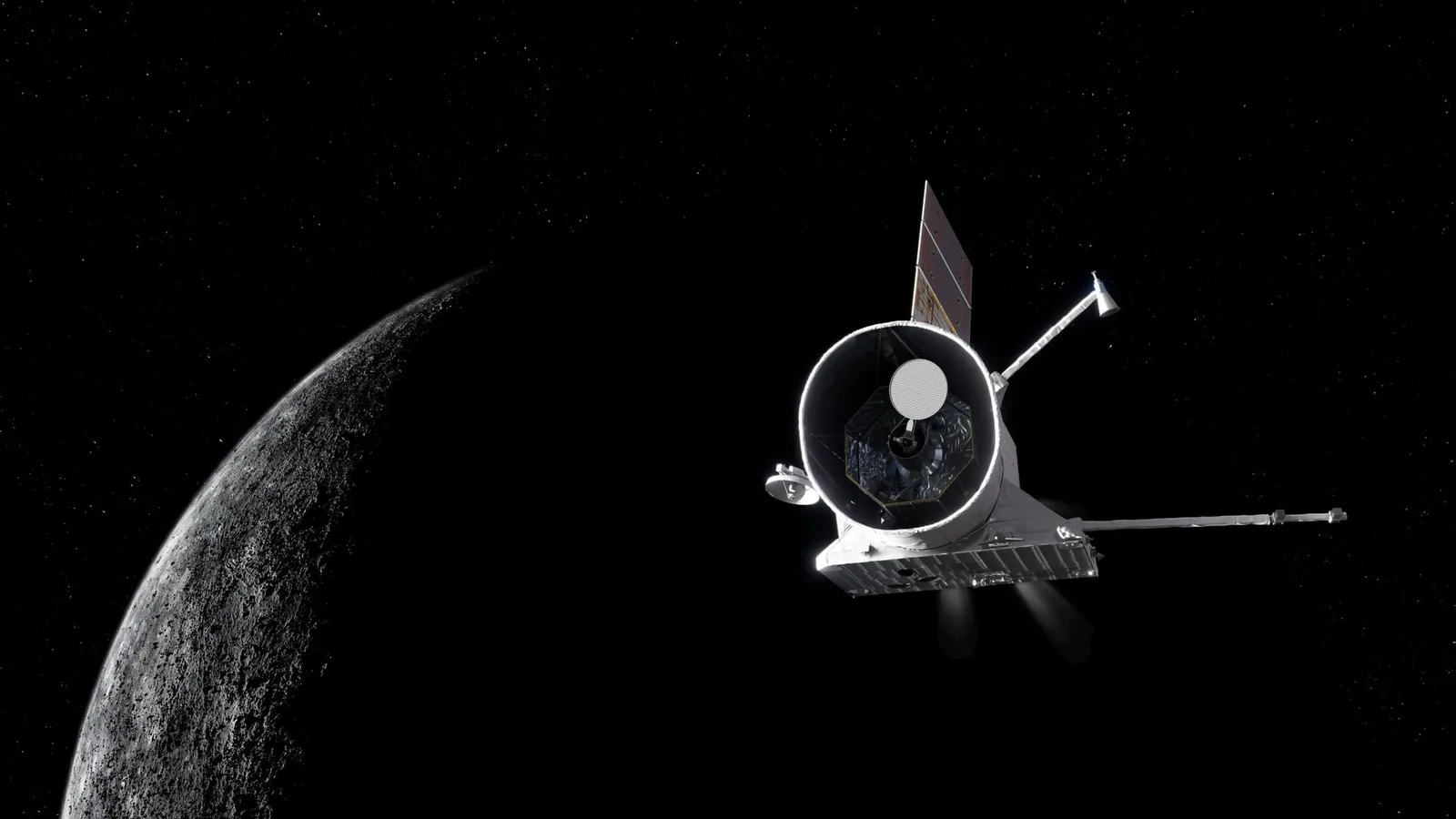
BepiColombo parks at Mercury after 8 years, 6 flybys and a solar panel scare
Europe and Japan just pulled off the hardest orbital insertion in the inner solar system, but the mission's real payoff, and its science, doesn't start until April 2027.