
The studio behind GTA engineered its own outrage in 1997. It still pays.
Nearly 30 years after Grand Theft Auto's clunky debut, the scandal its own maker seeded is still selling copies, and the GTA VI moment shows the playbook has not expired.
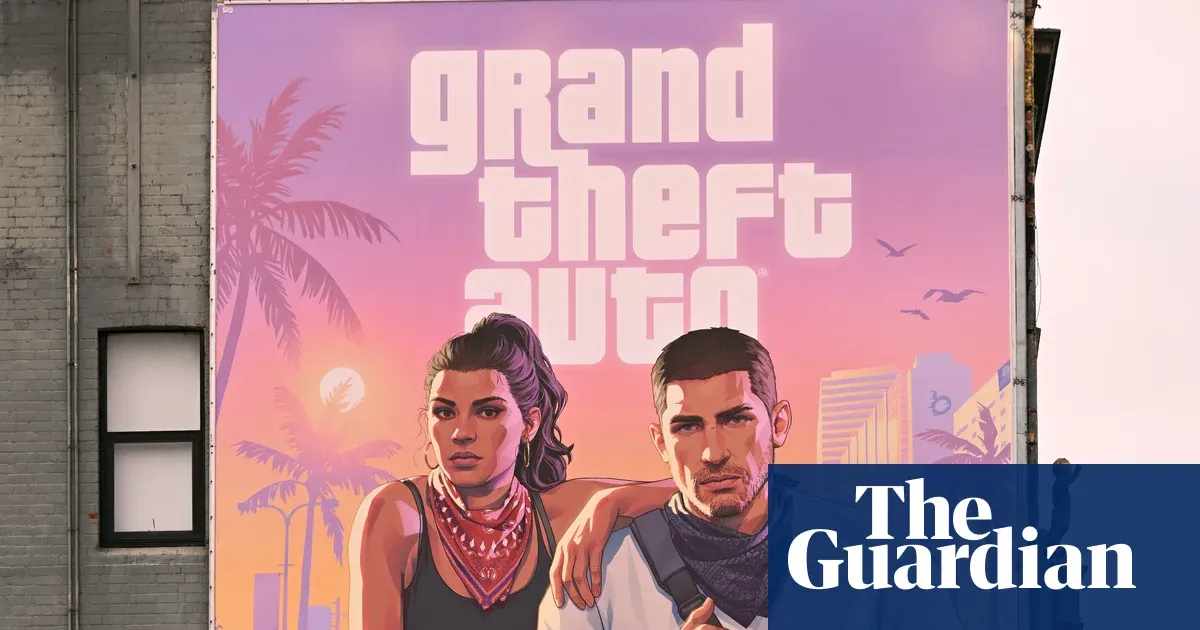
The studio behind Grand Theft Auto deliberately seeded the moral panic around its 1997 debut to manufacture hype and taboo curiosity, a pattern experts now call the 'grand theft fallacy.' For operators and marketers, the case is a masterclass in attention arbitrage, and a warning about the stakeholders a manufactured backlash quietly imports.
The outrage that turned Grand Theft Auto into a cultural lightning rod was not an accident of timing. According to The Guardian's analysis of the franchise's history, the studio behind the game seeded that outrage itself in 1997, deliberately stoking hype and taboo curiosity for a debut that, by the standards of the day, looked clunky. Nearly 30 years later, the same engineered scandal is still bearing fruit. Experts have a label for the pattern: the 'grand theft fallacy.'
The fallacy is the assumption that a moral panic is something that happens to a product, an organic eruption of public disgust that a brand can only hope to survive. GTA's origin story flips that assumption on its head. The backlash was not a cost of doing business; it was the business. For a studio with a debut that looked clunky and a title built to provoke, outrage was the cheapest distribution channel available. Every angry headline was a free impression. Every public figure who denounced the game was, functionally, an unpaid spokesperson.
For context, video games have been a dependable target for moral campaigners since the medium went mainstream. Politicians have held hearings, parent groups have demanded bans, and the industry responded by building its own age-rating systems to head off government intervention. That history is real, and much of the concern was sincere. What the GTA case exposes is how easily sincere concern can be farmed. The 'grand theft fallacy' is the mistaken belief that the anger is always spontaneous, when sometimes it is cultivated, timed, and pointed at a sales target.
Taboo curiosity is a powerful conversion engine because it collapses the distance between awareness and intent. A conventional ad has to persuade a stranger that a product is worth their time. A scandal does something cheaper and faster: it makes the product forbidden, and forbidden things are interesting. The mechanic works especially well for entertainment, where the product's entire promise is a transgressive thrill. GTA did not have to argue that its world was exciting. The people attacking it made that argument for free, at volume, for years.
Nearly three decades on, the playbook is still paying. The Guardian's review of Grand Theft Auto VI frames the game as 'gaming's most depraved world is now also its greatest love story,' a line that captures how far the franchise has travelled. The shock that once sold copies has matured into something closer to prestige storytelling, and that framing suggests the series now trades on emotional range as much as on notoriety. That is the second act of a manufactured scandal: once the taboo is established, the brand can spend it on something more durable than shock.
The strategy is not free, and it is not fully controllable. When you seed a panic, you do not own it. Regulators, platform holders, retailers, and advertisers all get a vote, and their tolerance shifts with the political weather. Age-rating boards, storefront policies, and advertising standards can turn a marketing asset into a distribution liability overnight. A brand that builds its identity on transgression is also building a permanent exposure to the people who decide what is allowed to be sold, and to the platforms that decide what is allowed to be seen.
For founders and marketers, the GTA story is a case study in attention arbitrage, and a warning about its limits. Manufactured controversy can buy awareness that money cannot, but it also imports a set of stakeholders you did not choose and cannot fire. The question is not whether outrage works. It clearly does. The question is whether the company can survive the version of itself that outrage creates, and whether the audience that arrives for the taboo stays for the product once the noise dies down.
That is the real lesson of the grand theft fallacy. The panic was engineered, but the franchise outlived it because there was a genuine product underneath the provocation. Nearly 30 years of relevance is not a marketing trick. It is what happens when a stunt gets you in the door and the work keeps you in the room. For anyone tempted to copy the playbook, the order matters: build the thing first, then decide whether you can afford the fire that comes with it.
This story's Key Insights and Take-aways are locked.
Create a free account to unlock Executive Actions for one credit.
Register to UnlockAlways free for Executives Club members. Join the Club
More in Entertainment

GTA 6 banks $3.8bn in one day, torching every launch record
One game just out-earned every video game launch and every single-day film box office haul in history, and the fallout lands on every media CEO's forecast.

GTA VI Racked Up $3.79 Billion in a Single Day, Topping Every Film Ever
A 13-year wait produced a $3.79 billion day, more than any movie has made in its entire run, and it resets the launch math for every studio, streamer, and brand chasing the same attention.

GTA 6 sells 32.5M pre-sales and $3.79B day one, torches 13-year record
Rockstar's sequel didn't just beat Grand Theft Auto V's 13-year-old benchmark; it reset what a launch can be, with 32.5 million pre-sale copies and $3.79 billion in a single day.