
Tom Brady wants a piece of Chelsea, and Clearlake is the way in
The NFL great is circling a stake in the Premier League club through Clearlake Capital, the clearest sign yet that American celebrity money now treats English football as an asset class, not a trophy.
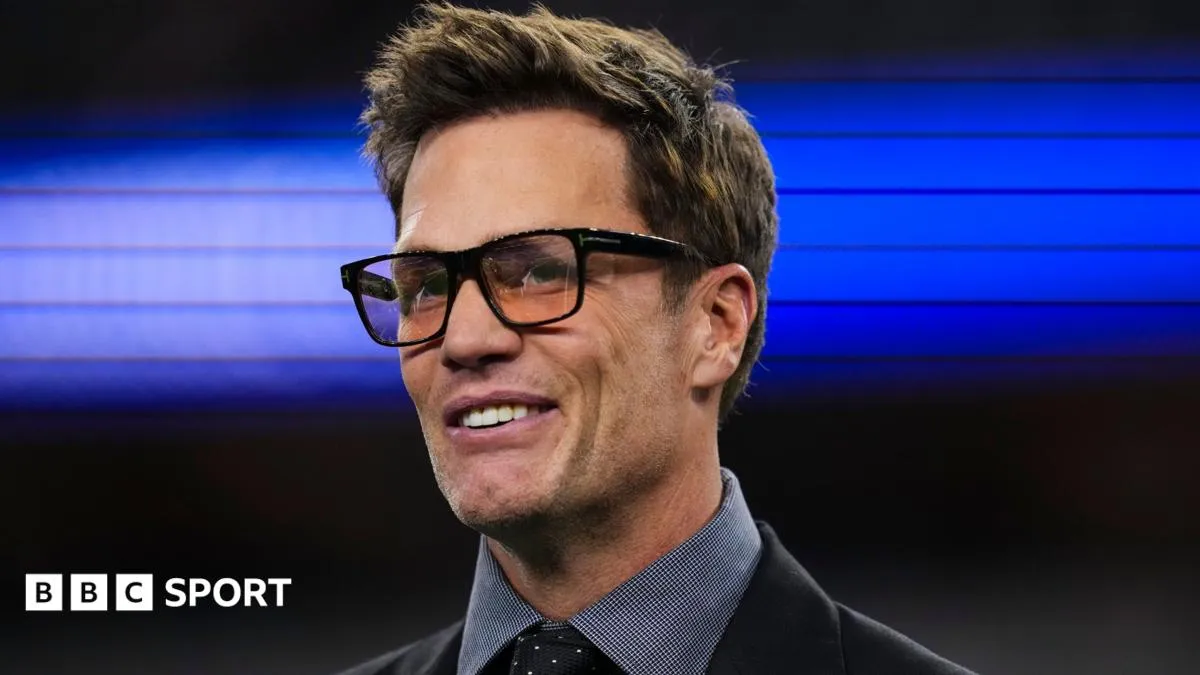
Tom Brady, the seven-time Super Bowl-winning quarterback, is looking to invest in Chelsea through Clearlake Capital, the private equity firm at the center of the club's ownership group, per BBC Sport. No price or stake size was disclosed, but the move signals that minority celebrity equity is becoming the preferred entry route for US capital into European football, with ownership tests and an incoming regulator as the gating factors.
Tom Brady spent more than twenty seasons finding the open man. Now he is looking for an open door into the Premier League. The seven-time Super Bowl-winning quarterback is looking to invest in Chelsea through Clearlake Capital, the American private equity firm at the center of the club's ownership group, according to BBC Sport. No price, no percentage, and no timetable have been reported. That silence is precisely what makes it worth watching: when the most famous football player in American history starts circling a London club, the deal size matters less than what the move says about who now owns English football.
The first thing to understand is who Brady would be climbing into bed with. Chelsea is not a club with a single owner but a consortium, assembled in May 2022 when a group led by investor Todd Boehly and Clearlake Capital completed a £2.5bn takeover, ending Roman Abramovich's 19-year reign after the UK government sanctioned him following Russia's invasion of Ukraine. The deal came with a pledge of roughly £1.75bn in further investment, directed at the stadium, the academy, and the women's team. Clearlake, a Santa Monica-based private equity firm co-founded by Behdad Eghbali and José E. Feliciano, is the largest single shareholder in that structure. Going "through Clearlake" therefore means something specific. Brady would not be buying shares on the open market or joining a rival bid; he would be taking a slice of the controlling partner's position.
Why Brady, and why now? Because his second career is not really broadcasting. It is balance-sheet adjacency. Since retiring he has signed a long-term deal as Fox Sports' lead NFL analyst, taken a minority stake in the Las Vegas Raiders, and bought into Birmingham City, the English club he joined as an investor in 2023. The pattern is consistent: modest equity, outsized name, and a seat at the table where sports rights, media rights, and real estate intersect. Chelsea would be the biggest brand on that list and his first Premier League property. For Brady, that is a step up in class, not a hobby.
For Chelsea, the appeal runs the other way. Clearlake is a private equity manager, and private equity managers answer to limited partners with clocks on them. A marquee minority investor does two useful things at once: it validates a valuation without forcing a sale, and it imports an American audience that the Premier League has been monetizing aggressively. English top-flight football has become one of the fastest-growing sports products in the United States, and the league's stateside broadcast rights have turned into a serious revenue line. Brady is, in effect, a distribution channel with a Hall of Fame resume, and he costs a fraction of what a control deal would.
There is a queue of people who will want a look before any cheque clears. The Premier League operates an Owners' and Directors' Test, a fit-and-proper-person check that examines source of funds, business history, and disqualifying convictions. On top of that, English football has been building toward an independent regulator with powers to license clubs and scrutinize ownership. Layered fund structures, cross-border vehicles, and celebrity minority holders all invite more questions, not fewer. Brady's existing Raiders stake and his Fox Sports contract add their own wrinkle: leagues tend to care a great deal about who else their owners and broadcasters are in business with, and approvals historically move at the pace of the most nervous general counsel in the room.
Then there is the football question. Chelsea's American ownership has not been a smooth ride. The club has churned through managers, spent heavily on players, and run into the same profit-and-sustainability arithmetic that constrains every Premier League board. A celebrity shareholder does not fix a midfield or a balance sheet. What it can do is buy patience, attention, and a narrative, and that is worth something to an ownership group still trying to convince fans, and itself, that the 2022 takeover was the start of something rather than the peak. There is also the long-running question of what to do with Stamford Bridge, a ground hemmed in on all sides and expensive to reimagine. Capital projects of that scale usually want a friendlier story attached.
Zoom out and the signal is louder than the deal. Sport is being repriced as an asset class, and the buyers increasingly look like American funds and American athletes. Minority stakes are the instrument of choice because they are cheaper, faster, and easier to unwind than control deals. Expect more of them: retired stars with cash and credibility, private equity firms with capital and a need for storytelling, and European clubs with global brands and local regulators. The friction is baked in. Fans notice who is buying, regulators notice what is being bought, and both groups are getting louder.
For executives watching, the read is not "buy a football club." It is that brand equity is now a balance-sheet item. A name like Brady's can be structured into a cap table to do work that marketing budgets cannot, and it can be priced accordingly. Whether Chelsea gets its man is a detail. That the play is being run at all tells you where the smart money thinks the next decade of sports value will be created, and how carefully the paperwork will need to be drafted to get there.
This story's Key Insights and Take-aways are locked.
Create a free account to unlock Executive Actions for one credit.
Register to UnlockAlways free for Executives Club members. Join the Club
More in Entertainment

GTA 6 banks $3.8bn in one day, torching every launch record
One game just out-earned every video game launch and every single-day film box office haul in history, and the fallout lands on every media CEO's forecast.

GTA VI Racked Up $3.79 Billion in a Single Day, Topping Every Film Ever
A 13-year wait produced a $3.79 billion day, more than any movie has made in its entire run, and it resets the launch math for every studio, streamer, and brand chasing the same attention.

GTA 6 sells 32.5M pre-sales and $3.79B day one, torches 13-year record
Rockstar's sequel didn't just beat Grand Theft Auto V's 13-year-old benchmark; it reset what a launch can be, with 32.5 million pre-sale copies and $3.79 billion in a single day.